Why Tidal Flats Create One of Canada’s Most Overlooked Nature Experiences
A Landscape That Never Really Holds Still
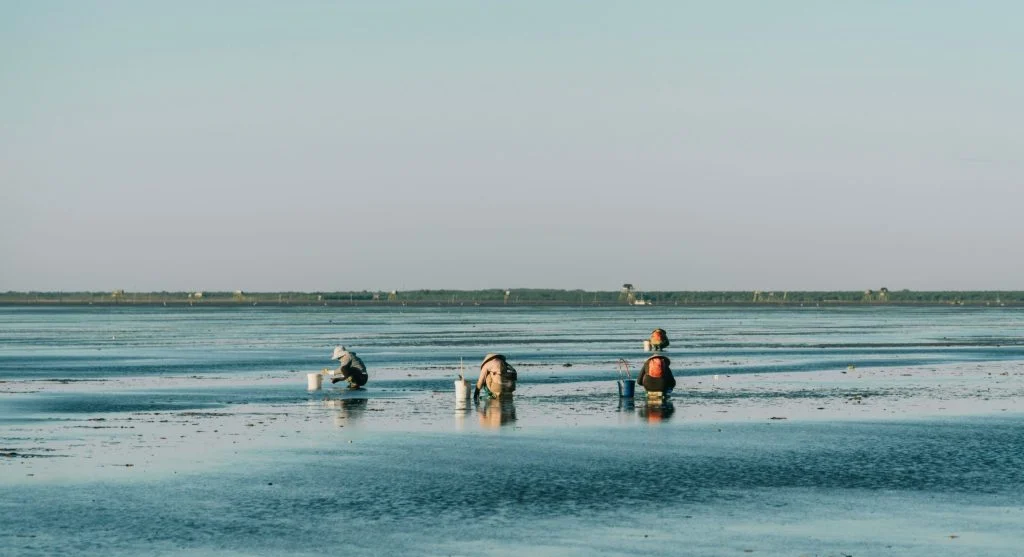
Many natural places look different from season to season, but tidal flats can change within the same day. This gives them a special kind of life. A place that looked like open water earlier may later reveal rippled sand, scattered stones, mud patterns, seaweed lines, or narrow streams crossing the exposed ground.
This makes the experience feel active even when the setting is quiet. Instead of standing before a fixed view, people are looking at a natural system that keeps shifting shape. That kind of change often rewards patience more than speed, which is one reason tidal flats in Canada can feel more interesting the longer a person watches them.
Texture Becomes the Main Attraction
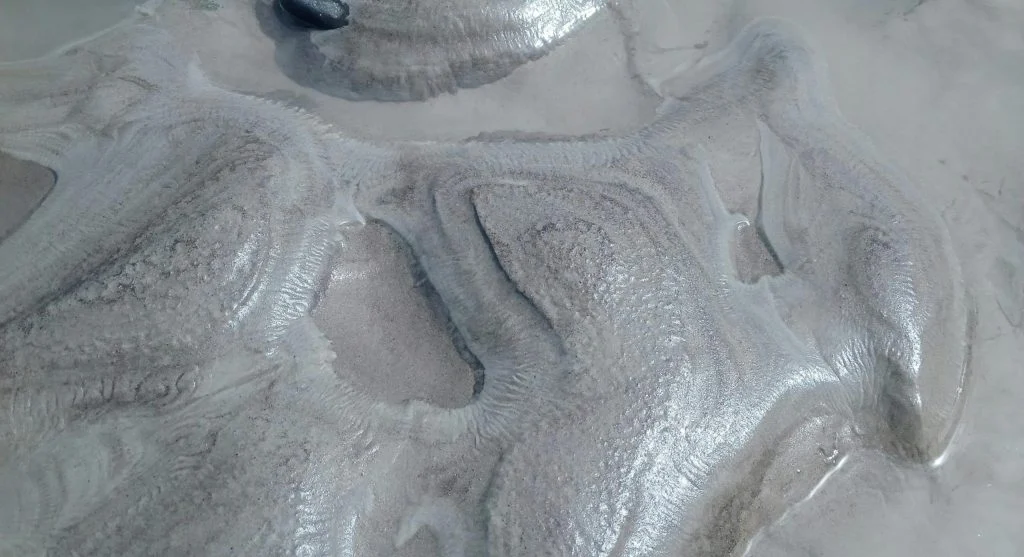
In many landscapes, people first notice height, color, or distance. On a tidal flat, texture often takes over. Wet sand may reflect light like glass. Ripples in the ground may show where water recently moved. Shallow channels may cut through the flat in winding lines. Footprints, shells, sea grass, and tide marks can all create detail close to the ground.
This makes tidal flats especially different from other coastal places. A cliff or rocky point often creates drama through shape and scale. A tidal flat creates beauty through pattern. People do not only look outward. They also look downward and across the surface, noticing the small structures that the tide leaves behind.
Birdlife Often Makes the Scene Feel Alive
Tidal flats are also important because they often support visible bird activity. Shorebirds, gulls, and other coastal species may gather where exposed ground provides feeding space. The open view can make movement easier to notice than it would be in dense vegetation or more enclosed landscapes.
This gives tidal flats a quiet but steady energy. A place that first seemed empty may prove to be full of activity once attention sharpens. A group of birds lifting together, spreading out along the shore, or moving with the returning water can change the emotional feel of the place completely. In this way, tidal flats in Canada often reward careful observation more than quick sightseeing.
The Sky Feels Bigger Over a Flat Shoreline
Another reason these places feel unique is the way they open the sky. Because the land stays low and wide, the horizon often becomes more important than in many other landscapes. Cloud movement, early light, late light, and changing weather can all shape the experience strongly because there is so little visual obstruction.
That openness can make the place feel both peaceful and slightly exposed. On some days, it feels bright and spacious. On others, it feels reflective, distant, or even mysterious. This makes tidal flats especially sensitive to atmosphere. The light and weather do not sit above the landscape. They become part of it.
Timing Matters More Than in Many Other Nature Stops
A forest trail or mountain viewpoint may remain mostly the same whenever a person arrives. A tidal flat does not work that way. Timing can change almost everything. Depending on when a person visits, the exposed ground may be broad and detailed, or mostly hidden beneath water. The color, reflection, and bird activity may also shift with the stage of the tide.
This timing factor makes the experience feel more deliberate. It encourages attention to natural rhythm rather than only location. A tidal flat is not just a place to visit. It is a place to visit at the right moment. That makes the landscape feel more connected to time itself, which is one of the most distinctive things about it.
Season Changes the Mood, Not Just the Temperature
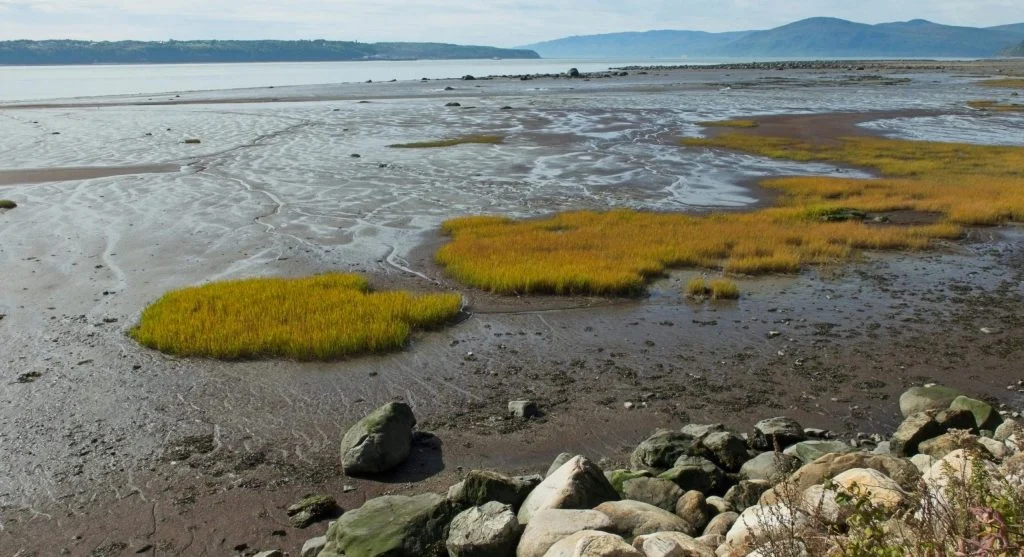
Tidal flats can also feel very different across the year. In warmer months, they may seem bright, active, and full of visible coastal life. In cooler seasons, they may feel quieter and more exposed, with sharper air and a more stripped-back visual mood. Mist, frost, or colder light can make the same flat feel far more dramatic than it did in summer.
Because the land is open and low, even modest seasonal changes can feel large. The wind may matter more. The light may matter more. The colors may narrow into silver, gray, blue, and brown. This makes tidal flats in Canada useful not only for nature viewing, but also for understanding how seasonal atmosphere shapes the coast.
Why These Places Are Easy to Underestimate
Part of the reason tidal flats remain overlooked is that they do not always deliver instant drama. They ask for slower attention. A person expecting one big scenic moment may miss the point. These landscapes often work through accumulation: the changing light, the exposed patterns, the birds, the water lines, and the widening sense of space.
In that way, they are closer to a slow reveal than a quick attraction. Once people begin to notice that, the flat no longer feels empty. It feels layered. The quiet becomes part of the value rather than a sign that nothing is happening.
Why Tidal Flats Deserve a Bigger Place in Nature Writing
Nature writing often returns to the same visual symbols of beauty: peaks, forests, waterfalls, and broad lakes. Those places matter, but they are not the whole story. Tidal flats offer a different kind of beauty, one built from motion, timing, surface detail, wildlife, and atmosphere. They show that a landscape can be meaningful without being towering or dramatic.
That is why tidal flats in Canada make such a strong and fresh subject. They offer a completely different angle on coastal nature, one centered on change rather than permanence. For readers looking for unique natural experiences, they reveal how much beauty can exist in a place that seems quiet at first but becomes richer with every minute of attention.
Frequently Asked Questions
Q: Why are tidal flats in Canada easy to overlook?
A: They often appear simple at first, but their beauty comes from change, texture, timing, and quiet observation rather than instant drama.
Q: What makes tidal flats different from other shorelines?
A: They change visibly with the tide and often reveal patterns, shallow channels, and exposed ground that are not present on many other coasts.
Q: Are tidal flats good for wildlife observation?
A: Yes. They often attract birds and make movement easy to notice because the open setting reveals activity clearly.
Q: Does timing matter when visiting a tidal flat?
A: Very much. The experience can look completely different depending on the stage of the tide and the time of day.
Key Takeaway
Tidal flats in Canada matter because they offer a nature experience built on change, texture, timing, and subtle observation rather than obvious drama. They can reveal birdlife, shifting water, wide sky, and exposed shoreline detail in ways that feel unlike other coastal places. Their quietness is part of their power. Tidal flats in Canada offer a fresh and distinctive article angle by showing how some of the country’s most interesting landscapes are also some of its most underestimated.










Post Comment