Why Boardwalk Wetlands Offer One of Canada’s Quietest and Most Revealing Nature Experiences
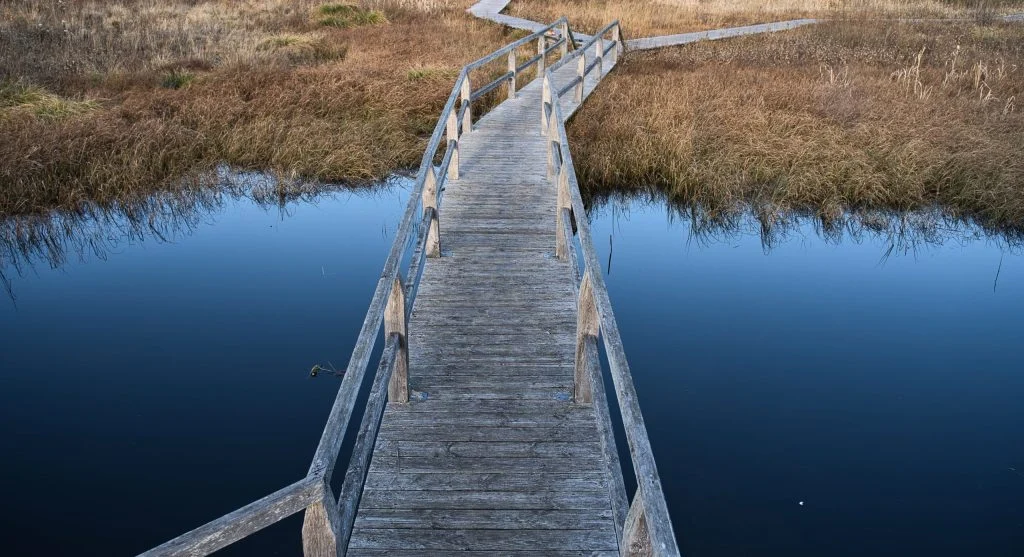
Wetlands are sometimes treated as background scenery or as spaces people pass around rather than through. Yet once a boardwalk makes access possible, the landscape often reveals itself as one of the most active and layered natural settings in the country. That is why boardwalk wetlands in Canada deserve more attention as places where scenery, observation, and environmental understanding come together in a very direct way.
Wetlands Feel Different Because Life Happens at Ground Level
In many natural settings, people first notice elevation, horizon, or distance. In a wetland, attention usually drops lower. The most interesting details are often close to the water surface, among grasses, around the edges of reeds, or in the small spaces where land and shallow water overlap. This creates a different kind of outdoor focus.
A boardwalk changes that experience by slowing movement and lifting the visitor just enough above the ground to see pattern without destroying the intimacy of the place. Instead of crossing quickly, a person begins to read the wetland in sections. Pools, channels, sedges, bird perches, and reflective surfaces start to feel like parts of a larger system rather than random pieces of scenery.
The Boardwalk Itself Changes How People Observe Nature
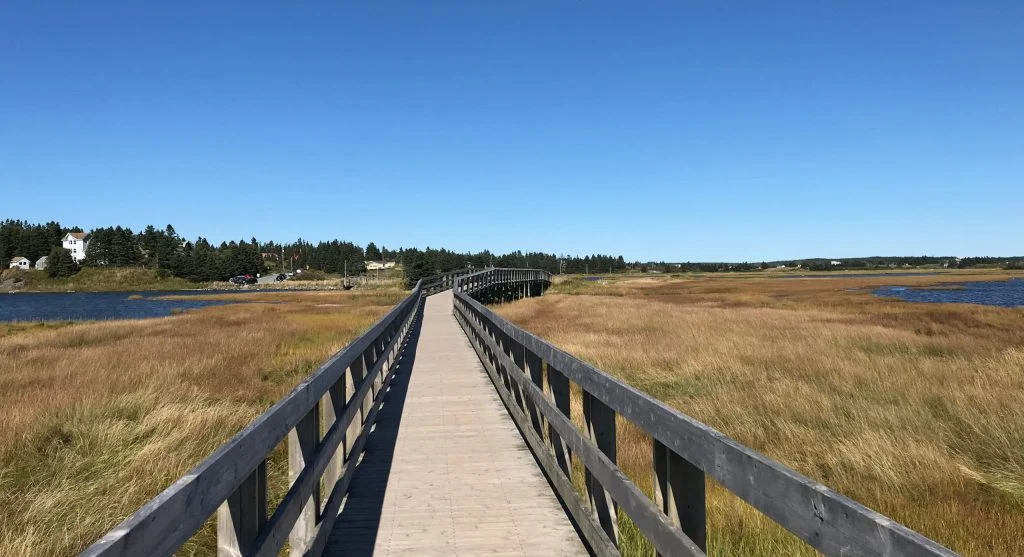
One reason these places work so well is that the boardwalk shapes pace. On a steep trail, people often focus on footing and effort. On a roadside lookout, they may stay only a few minutes. But a wetland boardwalk usually invites a steadier kind of movement. People pause more often. They listen more. They look sideways as much as forward.
This slower rhythm helps reveal things that would otherwise be easy to miss. A ripple in shallow water may show fish or insects below the surface. A slight motion in cattails may reveal a bird. A patch of reflected sky may change color as clouds move overhead. In this way, boardwalk wetlands in Canada encourage attention rather than speed.
Birdlife Often Becomes the Most Memorable Part
Wetlands often feel especially alive because bird activity can be so visible and so constant. Some birds move across open water. Others disappear into grasses and reeds, revealing themselves only through sound. Overhead movement, shoreline feeding, and short bursts of activity can turn a quiet walk into a highly observant one.
Because a boardwalk keeps people on a defined route, it can also reduce disturbance compared with wandering directly into sensitive ground. That means wildlife can sometimes remain easier to notice from a respectful distance. For many visitors, the memory of a wetland walk stays tied not to one big view, but to a series of smaller sightings and sounds that made the place feel unexpectedly full of life.
Reflections and Water Surfaces Create Constant Visual Change
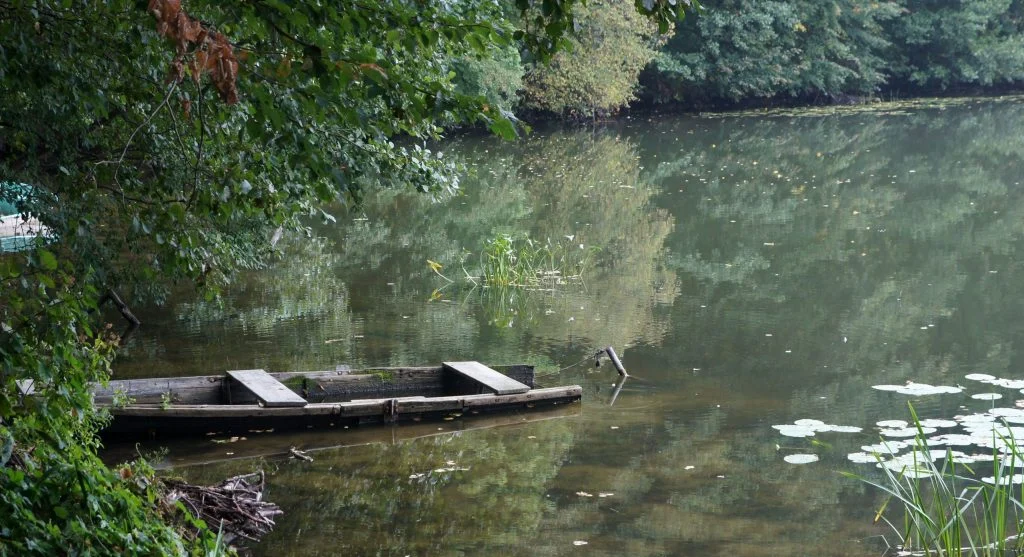
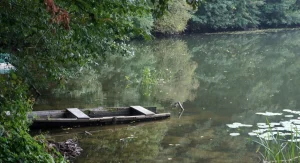
Another reason boardwalk wetlands in Canada feel special is that water gives the landscape a changing surface. Even when the scene looks quiet, light keeps shifting across it. Reflections of clouds, reeds, and sky make the same wetland look different from one minute to the next. A breeze can turn a still surface into a textured one. Passing light can make one patch of water glow while another goes gray.
This means the wetland never feels completely static. Unlike a fixed viewpoint where the scene may stay visually stable, a wetland keeps responding to wind, weather, and movement. That can make a short walk feel richer than expected because the setting never fully repeats itself while a person is standing there.
Seasonal Change Shows Up in Clear but Subtle Ways
Wetlands are also excellent places to notice the season without relying only on obvious color change. In spring, the water may look fuller, birds may be more active, and new plant growth may begin to appear in low clusters. In summer, reeds and grasses may thicken, insects may become more noticeable, and the wetland may feel dense and alive. In fall, textures may dry, tones may soften, and the whole place may take on a quieter, more open look. Even winter can make a wetland visually striking by simplifying the scene into lines, frost, ice, and muted light.
Because wetlands are built from shallow water and plant communities, small seasonal changes become very easy to read. That makes them useful not only as beautiful places, but also as landscapes where time and change become easier to observe.
Wetlands Teach Without Feeling Like a Classroom
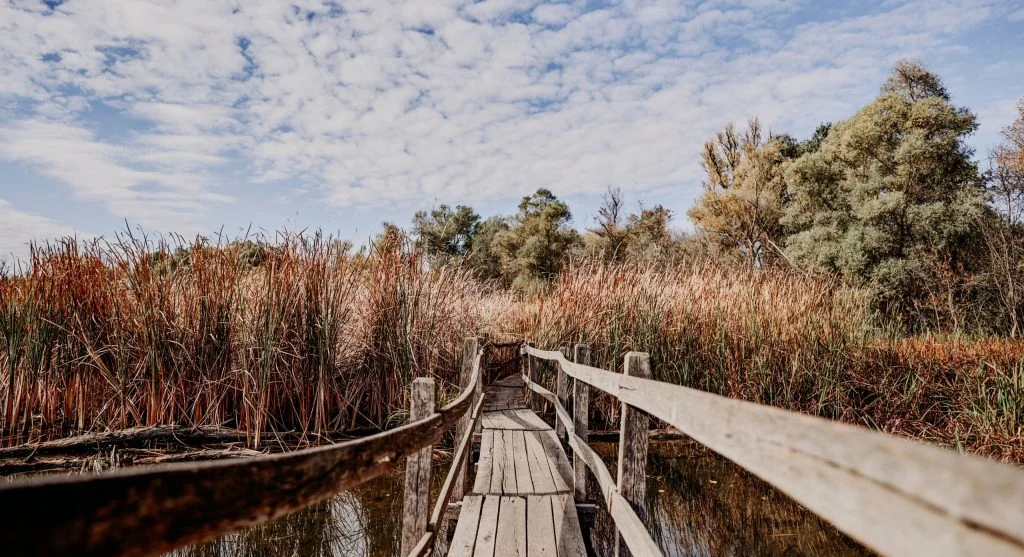
One of the strongest qualities of a wetland boardwalk is that it can help people understand ecology without requiring formal explanation. The landscape itself shows how water, plants, birds, insects, and ground conditions are linked. A person can see that the place is neither fully land nor fully open water. It is a transition space, and that transition creates much of its richness.
This makes wetlands especially valuable for readers and travelers who want an outdoor experience that feels both peaceful and informative. Even without reading a sign, the setting often makes clear that these are important habitats and not empty or wasted spaces. That quiet educational power is one of the reasons they deserve a stronger place in nature writing.
They Work Especially Well for Short Nature Stops
Another advantage is that boardwalk wetlands often fit well into shorter outings. They do not always require a full-day plan or difficult route. A person can spend twenty minutes or an hour there and still come away with a strong sense of place. That makes them useful for people who want real contact with nature but do not have the time or energy for a more demanding trip.
Because the experience depends on observation more than distance, even a modest boardwalk can feel complete. The value comes from what is noticed, not from how far a person travels. That makes boardwalk wetlands in Canada especially good for quiet resets, casual regional travel stops, and everyday outdoor routines.
Why Boardwalk Wetlands Deserve More Attention
Nature coverage often returns to the same familiar symbols: lakes, mountains, waterfalls, forests, and broad coastlines. Wetlands rarely receive the same attention, even though they can offer some of the richest observation in a smaller and calmer setting. They are visually subtle, but not empty. They are quiet, but not inactive. They are accessible, yet still ecologically complex.
That is why boardwalk wetlands in Canada make such a strong article subject. They offer a distinctly different angle from the scenic topics that appear again and again. For readers who want something fresh, these places show how much beauty and meaning can be found in shallow water, reeds, birds, and slow walking. They reveal a side of Canadian nature that is less dramatic, but often more intricate and more rewarding over time.
Frequently Asked Questions
Q: Why are boardwalk wetlands in Canada worth visiting?
A: They offer quiet access to birdlife, water patterns, seasonal change, and close observation of a living wetland ecosystem.
Q: What makes a wetland boardwalk different from an ordinary trail?
A: It usually encourages slower movement, better visibility over shallow water and reeds, and a more observation-based experience.
Q: Are wetlands good for short outdoor trips?
A: Yes. Even a short visit can feel rewarding because the interest comes from detail, atmosphere, and wildlife rather than long distance.
Q: Do wetlands change much through the seasons?
A: Yes. Water levels, plant growth, birds, insects, light, and overall mood can shift strongly across the year.





Post Comment