Why Winter Sunlight Feels So Different Across Canada’s Cities, Towns, and Open Landscapes
Seasonal light shapes daily life more than people often realize. In winter, the sun does not just brighten a scene. It changes contrast, temperature feeling, pace, and the way people move through outdoor space. Looking closely at winter sunlight in Canada helps explain why the season can feel both harsh and beautiful at the same time.
Low Light Creates Longer Shadows and Stronger Texture
One reason winter sunlight stands out is that it often sits low enough to throw long shadows across almost everything. Fences, parked cars, bare trees, steps, and utility poles all leave longer marks on the ground. This makes ordinary places look more textured and more dramatic than they do in other seasons.
In a summer scene, strong overhead light can flatten details by spreading brightness more evenly. Winter light often does the opposite. It pulls details forward. Small ridges in snow, frozen footprints, rooflines, and brick surfaces become easier to notice. That is one reason winter streets in Canada can look so visually rich even when the scene itself appears simple.
Snow Changes the Way Light Behaves
Snow is one of the biggest reasons winter sunlight in Canada feels so distinct. Instead of absorbing light like dark pavement or wet soil, fresh snow reflects it. This can make a place feel brighter than the sky alone would suggest. On clear days, the ground almost becomes part of the light source.
That reflection changes the mood of a landscape. A small neighborhood can suddenly feel more open. A rural road can seem wider. A quiet park can appear almost luminous in late morning or early afternoon. In this way, winter sunlight is not only about the sun above. It is also about what the land does with that light once it arrives.

Cities and Small Towns Feel the Light Differently
Winter sunlight does not affect every built place in the same way. In larger cities, glass, steel, sidewalks, and traffic can make winter light feel sharper and more restless. A bright cold morning may bounce off windows and frozen curbs, making the city seem very clear and very exposed at once.
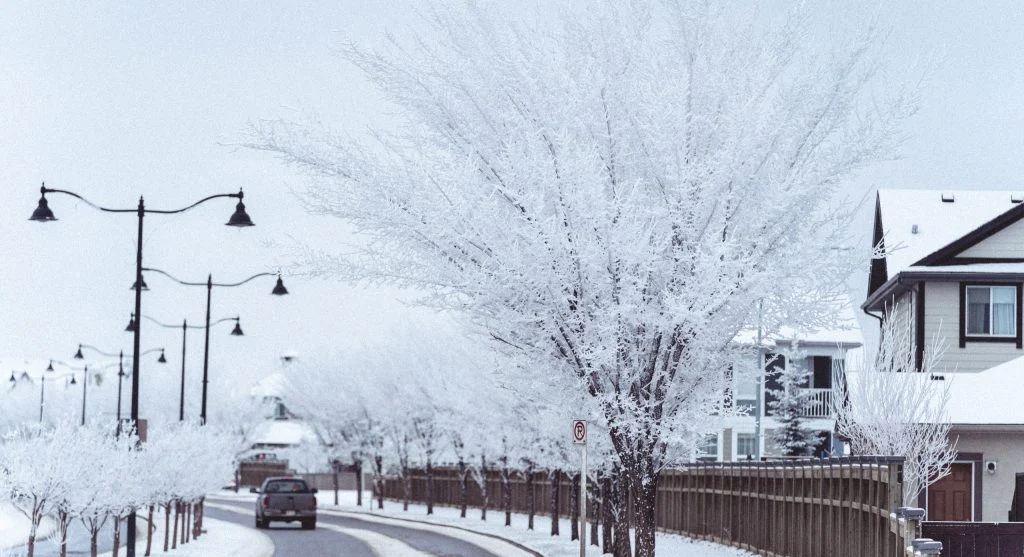
In smaller towns, the same season can feel softer. Snow on porches, lower building heights, quieter streets, and fewer reflective surfaces can give winter light a calmer presence. The sun may still be low, but the overall mood can feel more settled. This difference helps explain why winter in Canada can feel urban in one place and intimate in another, even under similar weather conditions.
Open Landscapes Can Make the Season Feel Larger
In open country, winter sunlight often makes the scale of the land easier to feel. Fields, lakes, marshes, and broad roadside views can appear especially expansive when low light stretches across them. A clear winter day may make the horizon feel sharper and the distance feel cleaner than it does in warmer seasons.
This is one reason some regional drives become especially memorable in winter. Even when the road itself is ordinary, the light may turn the surrounding land into something more dramatic. Winter sunlight in Canada can make emptiness feel beautiful rather than blank, especially in places where the land opens wide and the sky stays visible for long stretches.
Morning and Late Afternoon Often Carry the Strongest Mood
Not every part of a winter day feels the same. Morning light may arrive slowly and give streets or fields a pale, crisp atmosphere. Later in the day, the sun can feel warmer in color even when the air stays cold. These hours often hold the strongest mood because the light is at its lowest and most directional.
That is why winter photographers and travelers often pay close attention to timing. Midday may be useful and bright, but early and late hours often create the most memorable scenes. A short stop, a neighborhood walk, or a roadside pause can feel much more striking when it happens during those softer but more dramatic parts of the day.

Cold Air Can Make the Light Feel Clearer
Part of the power of winter sunlight also comes from the air itself. Cold air can make outlines appear sharper and distant shapes look more defined. A mountain edge, church tower, bridge, or line of trees may seem to stand out more clearly in winter than in humid summer conditions.
This clarity can give the season a very particular visual identity. Even when the landscape is quiet, the light can make it feel exact and highly readable. Many Canadian winter scenes feel memorable for this reason. They are not only beautiful. They are visually precise.
Winter Sunlight Affects Routine, Not Just Scenery
The meaning of winter light is not only artistic or scenic. It also changes how daily life feels. A bright winter afternoon may encourage a short walk, while a gray one may send people indoors earlier. A sunny day can make errands feel easier, roads feel more open, and public spaces feel less closed in.
Because winter days are shorter, sunlight can also feel more valuable. People notice it more carefully. It becomes part of how they decide when to go out, when to drive, when to pause, and how long to stay. In this way, winter sunlight in Canada becomes part of routine itself, not just part of the background.
Why This Seasonal Detail Matters
People often talk about winter through snow, temperature, and storms, but light deserves just as much attention. It changes the emotional tone of streets and landscapes, shapes how travel is remembered, and makes ordinary places feel more defined or more beautiful. It is one of the quiet forces that gives Canadian winter its character.
That is why winter sunlight in Canada makes such a useful seasonal topic. It offers a fresh way to understand winter without relying on the same familiar ideas about cold and snow alone. For readers interested in daily atmosphere, regional travel, and seasonal mood, it shows how much one form of light can shape the entire experience of a season.
Frequently Asked Questions
Q: Why does winter sunlight in Canada feel different from summer sunlight?
A: It usually sits lower in the sky, creates longer shadows, and interacts strongly with snow, which changes both brightness and mood.
Q: Does snow make winter light stronger?
A: Yes. Snow reflects sunlight, which can make outdoor spaces feel brighter and more open than the sky alone would suggest.
Q: Are winter mornings and late afternoons the most scenic?
A: Often yes. Those hours usually produce the longest shadows, softest color, and strongest seasonal atmosphere.
Q: Does winter sunlight affect daily life too?
A: Yes. It changes how people experience errands, walks, short trips, and the overall feel of being outside during colder months.
Key Takeaway
Winter sunlight in Canada matters because it changes far more than visibility. It shapes shadow, texture, mood, travel atmosphere, and even how daily outdoor life feels. Snow, low angles, and cold clear air all make the light behave differently from other seasons. Winter sunlight in Canada offers a fresh seasonal angle by showing how one kind of light can quietly define the entire character of a place in winter.













Post Comment