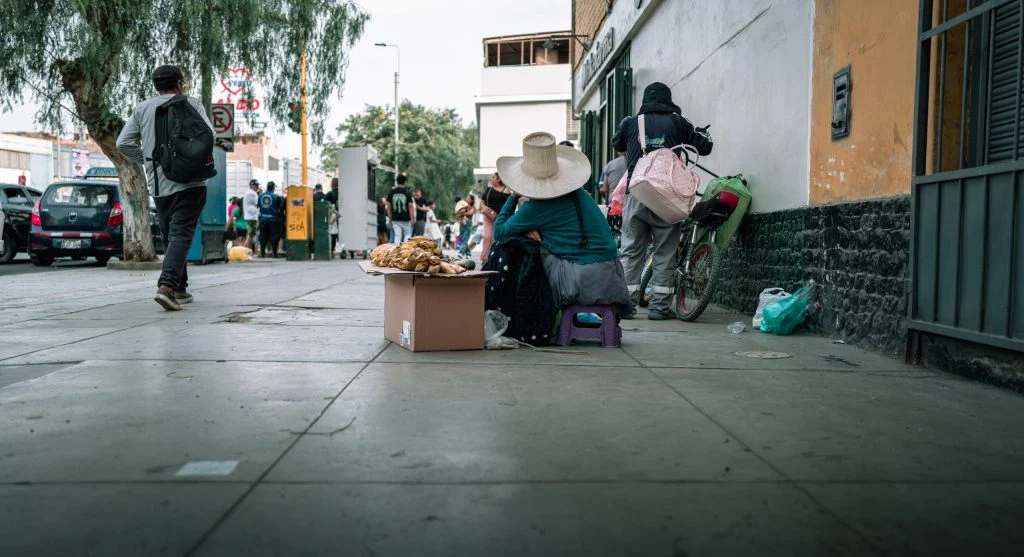
Why Market Streets Still Reveal the Real Character of Canadian Cities and Towns
Market streets in Canada still reveal something important that polished downtown districts and large shopping areas often hide. They show what people actually buy, how they move through public space, which businesses matter locally, and how a place feels when it is functioning in ordinary time rather than presenting itself as a formal attraction. Even when the street is small, it can carry a surprising amount of local meaning.
Urban observers often explain that a city or town becomes easier to understand in places where exchange happens openly and regularly. A market street does exactly that. It brings together commerce, routine, conversation, and visual identity in one walkable setting. That is why market streets in Canada remain one of the clearest ways to understand the real character of a place.
Why Market Streets in Canada Still Matter
Market streets matter because they make local life visible. They are often shaped less by broad image and more by repeated use. People walk there to shop, stop briefly, compare prices, meet someone, or continue toward another part of town. That practical movement helps reveal what the place is actually built around.
Regional researchers often note that streets with everyday commercial purpose tend to hold stronger clues about public culture than streets designed mainly for display. A market street shows what kind of rhythm a place values and what kinds of businesses can survive through real local demand. This is one reason market streets in Canada deserve more attention in cities and provinces coverage.
Daily Trade Creates a Different Public Atmosphere
One of the most noticeable things about a market street is how buying and selling change the mood of public space. The street may feel alert, active, and grounded in practical need. People are not only passing through for scenery. They are there because the street serves a real purpose in daily life.
Urban geographers often explain that this kind of street feels different from a district shaped mainly by offices or tourism. Active small trade creates a more direct relationship between people and place. That makes market streets in Canada especially useful for understanding local public atmosphere.
They Often Show Local Taste More Honestly
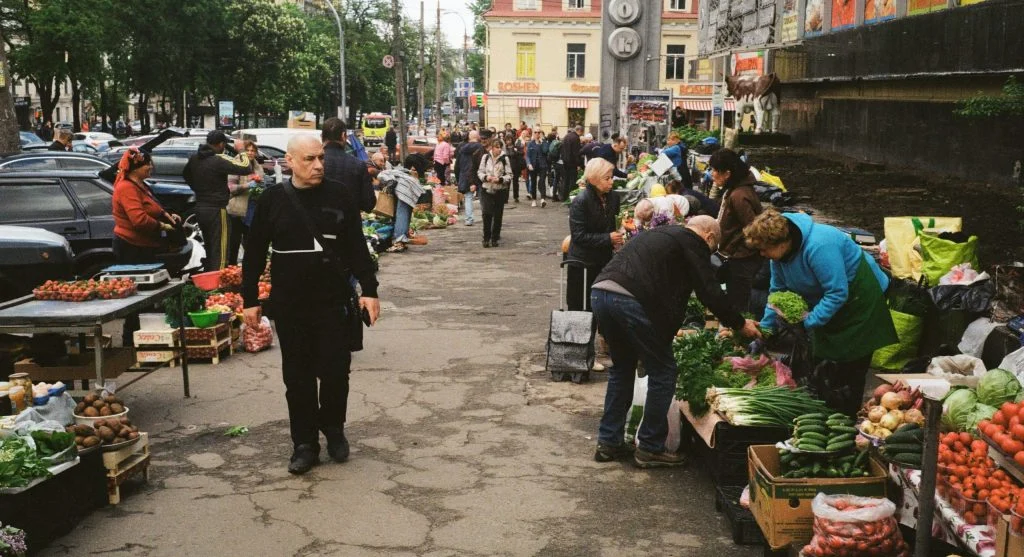
A market street can also reveal what a place values in practical terms. The kinds of food shops, specialty businesses, bakeries, produce stands, household stores, or service counters that survive there often reflect local priorities. Instead of showing an ideal version of a city, the street shows what the area actually returns to day after day.
Food and culture writers often explain that repeated buying habits tell a deeper story than promotional branding does. A street where people shop regularly reveals which tastes feel familiar, affordable, and important. This helps market streets in Canada act as strong indicators of neighborhood identity and regional preference.
Market Streets Often Reveal Social Pace Clearly
Some streets feel hurried and efficient, while others feel slower and more conversational. A market street often makes this difference easy to notice. The pace of walking, waiting, browsing, and talking can reveal whether a town or district feels quick, steady, relaxed, or highly social.
Cultural observers often note that pace is one of the most reliable clues to place identity. The way people occupy a market street says a great deal about the wider community around it. This is why market streets in Canada can often tell readers more about local culture than a broad city overview ever could.
Architecture and Signage Often Carry Everyday History
Another reason these streets matter is that they often hold visible layers of local history. Storefront shapes, awnings, signs, upper-floor windows, narrow entrances, older brickwork, and street layouts may reveal how the place grew over time. Even when businesses change, the physical form of the street can still show older patterns of trade and use.
Urban historians often explain that commercial streets preserve memory in ordinary ways. They may not look monumental, but they often show how a town or neighborhood developed through use rather than planning alone. This gives market streets in Canada a historical value that remains active, not frozen.
Small Towns and Bigger Cities Use Them Differently
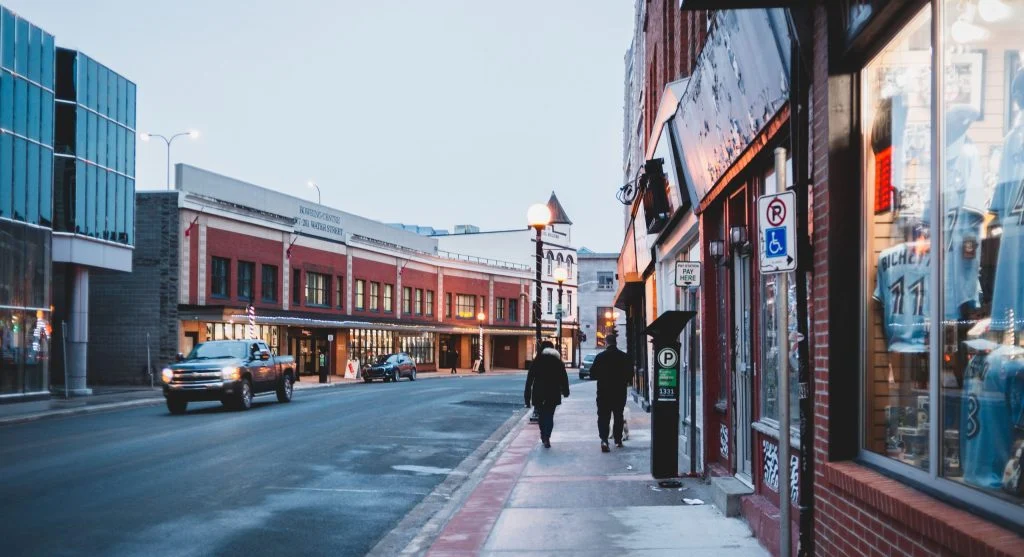
In a small town, a market street may act as the central public spine where much of daily visible exchange happens. In a larger city, the same kind of street may represent one neighborhood or one cultural district more than the city as a whole. In both cases, however, the street can still provide a highly readable picture of local identity.
Regional analysts often explain that scale changes the meaning of a street without reducing its usefulness. A small-town market street may show the town’s public center directly, while a city market street may reveal one local cluster of life in detail. This makes market streets in Canada valuable in both urban and regional storytelling.
Why These Streets Still Matter for Travelers
For travelers, market streets can provide something major attractions do not always offer: a grounded sense of how a place actually lives. They are often walkable, full of visible routine, and shaped by daily need rather than formal presentation. That makes them useful for readers who want more than surface impressions.
Travel planners often note that some of the strongest travel memories come from places that feel lived-in rather than staged. A market street offers that kind of experience. It can reveal a city or town through ordinary movement, ordinary buying, and ordinary conversation. That is often where the most convincing sense of place begins.
Why Market Streets Deserve More Attention
When people talk about cities and towns, they often focus on skylines, landmarks, or official downtown areas. But those features do not always show how the place works in real life. Market streets do. They bring together exchange, rhythm, public contact, and local taste in a way that is easy to see and easy to remember.
That is why market streets in Canada deserve more editorial attention. They offer a fresh and non-repetitive way to understand city and town identity by focusing on everyday trade rather than broad image. For a Canada-focused publication, they provide a strong lens for seeing how real local character continues to live in public space.
Frequently Asked Questions
Q: Why are market streets in Canada important?
A: They reveal daily trade, public rhythm, local shopping habits, and the way a place functions in ordinary life.
Q: Do market streets reflect local identity better than major attractions?
A: Often yes. They show repeated everyday habits, which can reveal local character more honestly than formal visitor spaces do.
Q: Are market streets useful in both cities and small towns?
A: Yes. In small towns they may show the public center directly, while in cities they often reveal neighborhood identity in strong detail.
Q: Why do these streets matter for travelers?
A: They help travelers see how a place actually works, not only how it presents itself through landmarks or official tourist areas.














Post Comment