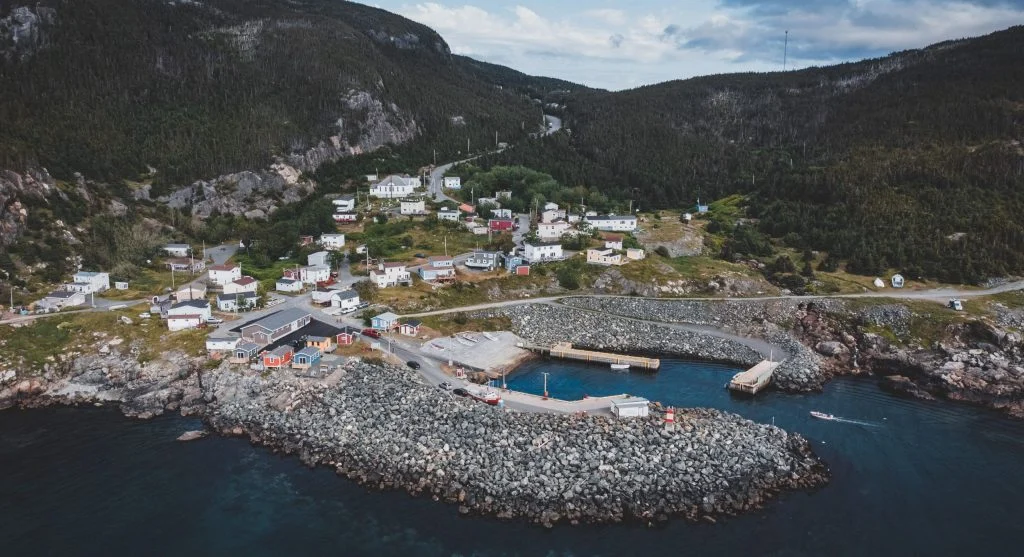
How Valley Towns Create a Different Sense of Place Across Canada
That framing changes more than the scenery. It affects how a place feels in daily life. A town in a valley may seem more enclosed, more sheltered, or more visually connected to the landscape than a place built on wide open ground. This is why valley towns in Canada make such an interesting topic. They show how geography can shape mood, routine, and public identity without needing a major landmark to explain it.
The Land Around the Town Never Really Disappears
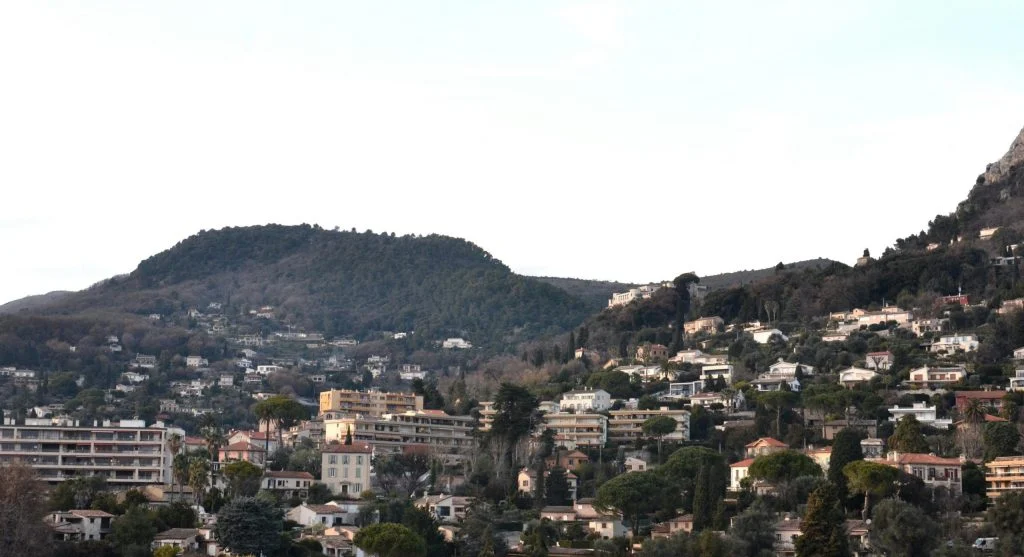
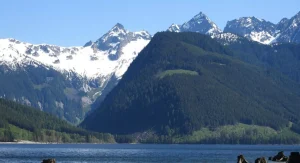
One of the clearest differences in a valley town is that the surrounding land remains visible in everyday life. People may see slopes beyond houses, ridges beyond storefronts, or tree-covered sides rising behind ordinary roads. This makes the town feel tied to its setting all the time, not only when people go looking for scenery.
In flatter communities, the landscape may feel more distant from daily routine. In a valley town, the shape of the land often becomes part of the routine itself. A person walking through downtown, driving along a local road, or standing in a parking lot may still feel the geography around them. That constant visual relationship helps give valley towns in Canada a strong and recognizable sense of place.
Views Change Quickly Even Across Short Distances
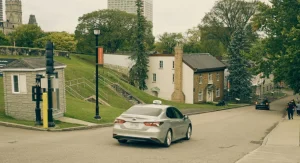
Another reason these towns feel distinctive is that views can shift very quickly. One street may open toward a river or a valley floor, while another may turn toward homes built along a slope. A short change in direction can make the town seem different within only a few blocks.
This gives everyday movement more variety than people might expect in a smaller place. A walk does not only pass buildings and shops. It often passes changing angles of land, sky, and elevation as well. That can make valley towns in Canada feel more layered than their size might suggest.
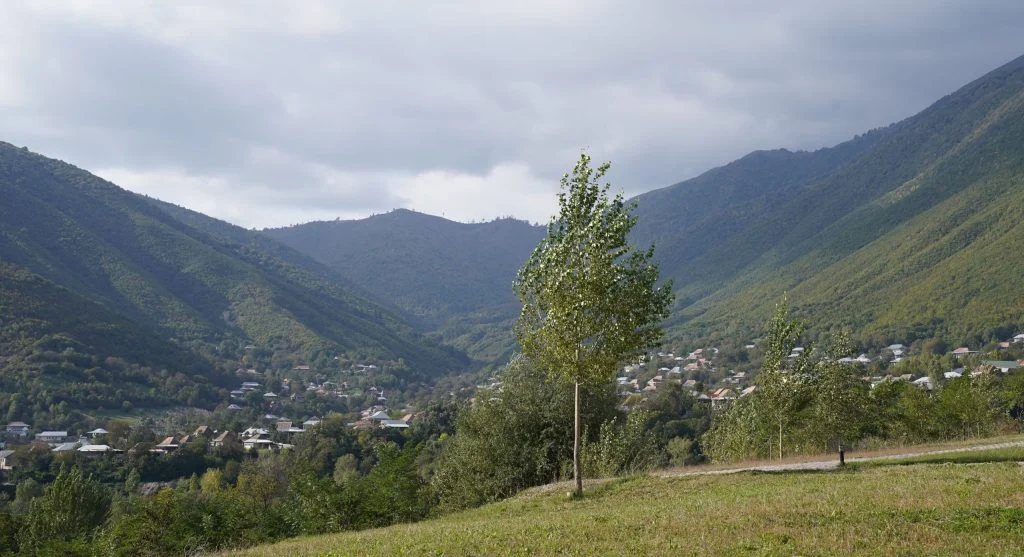
Light Often Gives Valley Towns a Stronger Mood
Light behaves differently in valleys than it does in wide open places. Morning may arrive more gradually. Evening light may linger in some directions but disappear quickly in others. Shadows from nearby slopes can also make certain parts of town feel cooler, calmer, or more reflective at different times of day.
This means valley towns often carry a stronger visual mood across the day. A bright afternoon may feel open and scenic, while the same place can feel softer and quieter once the light shifts behind the surrounding land. This changing relationship with light helps make valley towns in Canada memorable even when they are not large or heavily visited.
River Corridors Often Add to the Town’s Structure
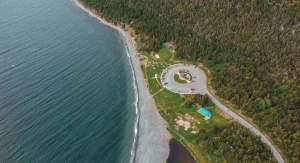
Many valley towns are also linked to rivers or waterways running along the valley floor. That adds another line of structure to the place. Instead of a town simply spreading across open ground, it may follow the logic of water, road, and slope at the same time. This creates a more readable and more regionally specific layout.
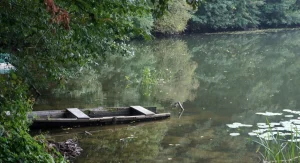
Where a river is present, it may influence parks, walking routes, bridge views, or the placement of neighborhoods and businesses. Even where water is not the main visual feature, it often helps shape the town’s form. This is one reason valley towns in Canada often feel organized by geography in a way that larger cities sometimes do not.
Travel Atmosphere Often Feels More Intimate
For travelers, a valley town often creates a different emotional impression from a town on open plains or beside a major shoreline. It may feel more tucked in, more contained, and more connected to local land rather than broad distance. Arrival can feel more deliberate because the town appears within a shaped setting rather than across a wide flat approach.
This can make even a brief stop feel stronger. A coffee shop, local main street, public path, or roadside viewpoint may feel more memorable simply because the place around it has a clearer natural frame. In that sense, valley towns in Canada often work well for readers who enjoy places with a strong atmosphere rather than only major attractions.
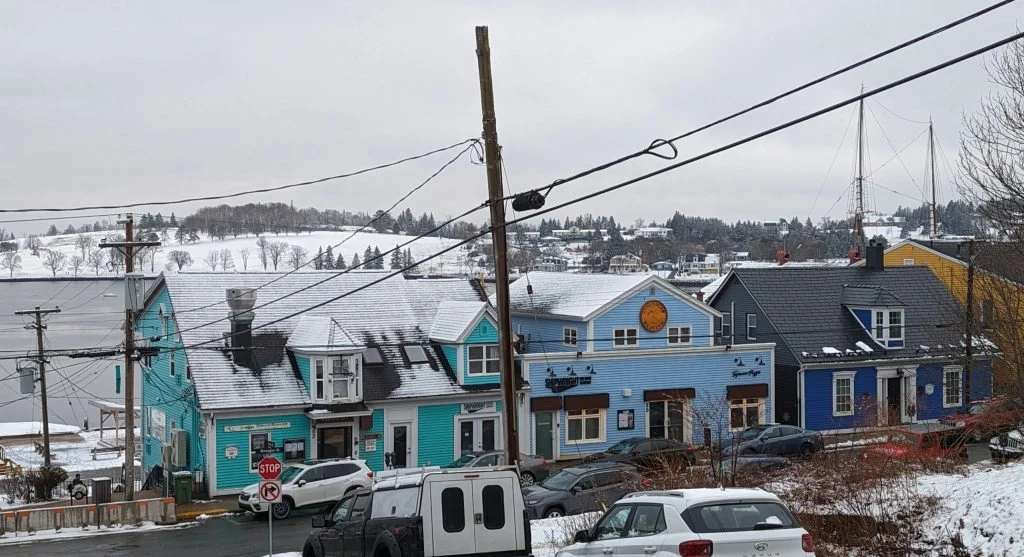
Season Can Change the Whole Feeling of the Valley
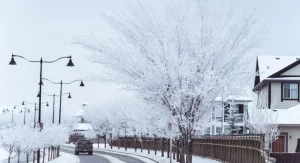
Seasonal change may also feel especially strong in a valley setting. Spring can highlight water, fresh growth, and changing light on the slopes. Summer may make the valley feel full and sheltered. Fall often sharpens contrast between town and surrounding trees. Winter can make the whole place feel quieter, more enclosed, and more visually defined through snow and shadow.
Because the landform stays so visible, seasonal shifts often become easier to notice. A town in a valley does not experience the season only through temperature. It experiences it through the surrounding walls of the landscape and the way those walls change in color, texture, and light. That helps make valley towns in Canada a strong subject within regional writing.
Why These Towns Reveal Regional Identity So Well
Valley towns often reveal regional identity clearly because they cannot easily separate themselves from the land around them. Their roads, views, neighborhoods, and public spaces stay tied to physical geography in visible ways. This makes them useful for understanding not just where a town is located, but how that location shapes everyday life.
For readers, that creates a more grounded kind of place writing. Instead of describing a town only through names of businesses or attractions, it becomes possible to explain how the town feels because of where it sits. Valley towns in Canada make that connection between geography and identity especially easy to see.
Why Valley Towns Deserve More Attention
When Canadian cities and towns are discussed, the conversation often turns to capitals, waterfronts, major metros, or well-known scenic destinations. Valley towns rarely receive the same attention, yet they offer one of the clearest examples of how landform shapes public life and travel experience. Their charm often comes not from scale, but from structure.
That is why valley towns in Canada make such a strong and distinct article topic. They offer a fresh angle that is different from harbor cities, hill cities, border cities, or market streets. For a Canada-focused publication, they help show how some of the country’s most interesting places are defined not by size, but by the way daily life unfolds inside a very specific natural frame.
Frequently Asked Questions
Q: Why do valley towns in Canada feel different from flatter towns?
A: The surrounding slopes, ridges, and valley shape remain visible in daily life, which gives the town a stronger sense of place and structure.
Q: Do valley towns change how people experience ordinary streets and neighborhoods?
A: Yes. Views, light, and elevation shifts often make even short local movement feel more layered and scenic.
Q: Are valley towns good for travelers who like atmosphere more than major attractions?
A: Often yes. Their appeal often comes from mood, setting, and the close relationship between town life and the surrounding land.
Q: Does season affect valley towns strongly?
A: Yes. Seasonal color, snow, shadow, and light often become very noticeable because the shape of the valley stays visually present all year.
Key Takeaway
Valley towns in Canada matter because they show how geography can shape local mood, public rhythm, and regional identity in everyday, visible ways. Their streets, light, views, and seasonal changes often feel more powerful because the town stays closely framed by the land around it. That gives these places a distinct atmosphere that many other destinations do not have. Valley towns in Canada offer a fresh, non-repetitive article angle by focusing on how daily life unfolds inside a clearly defined natural setting.




Post Comment