7 Natural Landscapes That Show the Beauty of Canada
Natural landscapes in Canada are one of the country’s defining features. Across provinces and territories, the land shifts from rocky coastlines to wide prairies, dense forests, glacier-fed lakes, and high mountain ranges. This range of environments is one reason Canada nature content remains consistently relevant.
Environmental researchers and park specialists often describe Canada as a place of strong regional contrast. These differences make it easier to see how geography shapes wildlife, climate, and outdoor experiences. Looking at major landscape types also helps explain the scale of Canada’s natural beauty.
1. Mountain Landscapes in Western Canada
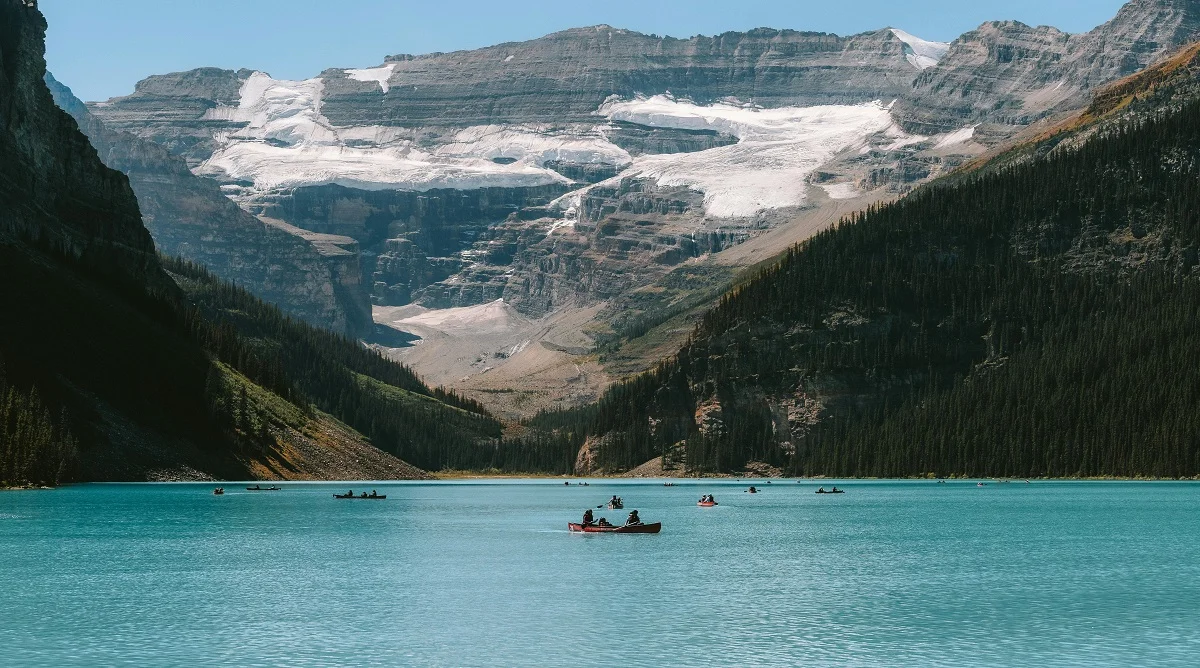
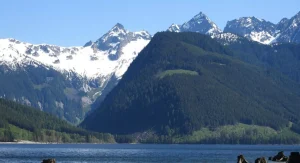
Mountain regions are among the most recognizable natural landscapes in Canada. In the west, dramatic peaks, alpine lakes, and forested valleys create scenery closely tied to the country’s outdoor identity. These areas often attract hikers, photographers, and travelers drawn to large, open views.
Nature guides often point out that mountain landscapes shift quickly with the seasons. Summer reveals trails, lakes, and wildflower areas, while winter transforms the same spaces with snow and frozen terrain. This seasonal change adds depth to the experience.
2. Freshwater Lakes and River Systems
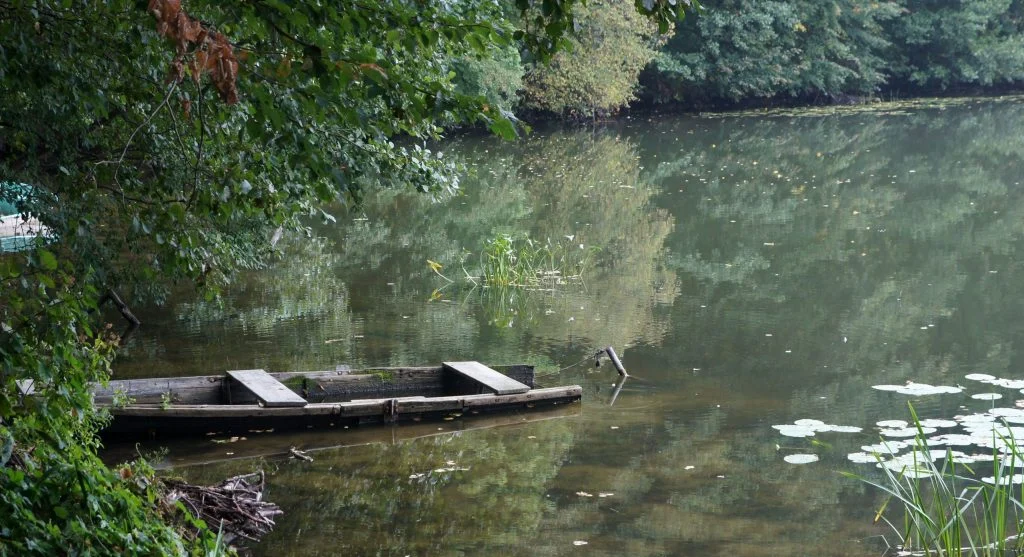
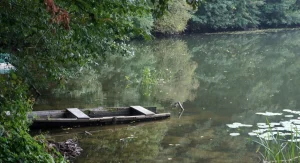
Lakes and rivers form another key part of Canada’s natural landscapes. Large freshwater systems support ecosystems, recreation, and regional identity across many communities. Calm lake surfaces, rocky shorelines, and forest reflections are common features of Canada’s scenery.
Water researchers note that these environments also influence local weather, wildlife patterns, and travel routes. In many places, waterways are not just scenic they are part of daily life and long-standing settlement patterns, connecting environment with culture.
3. Boreal Forest Regions
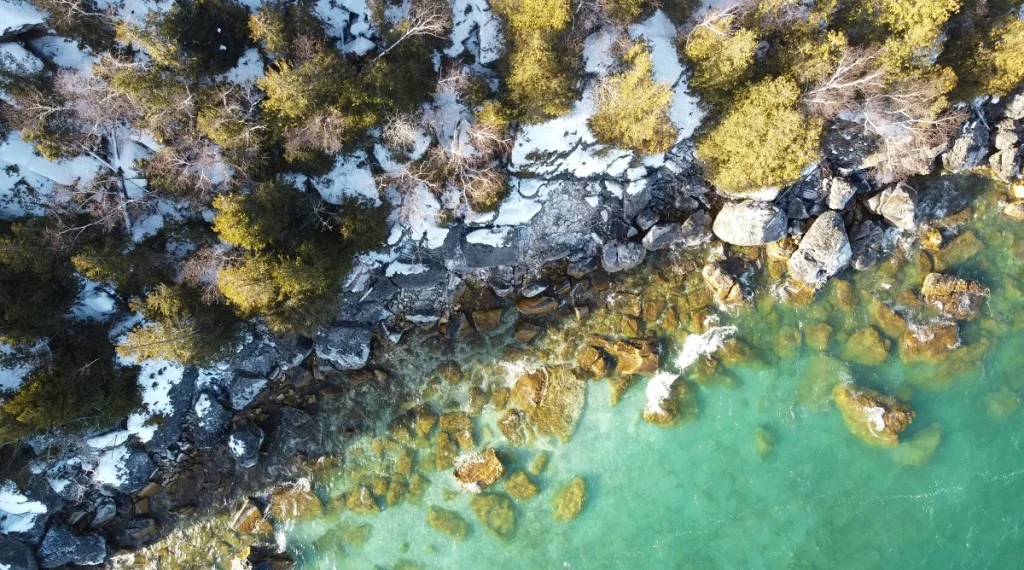
The boreal forest is one of the most important natural landscapes in Canada. It spans a large portion of the country and supports a wide variety of plant and animal life. Forest researchers often describe it as a key ecological system shaping northern and central regions.
From a distance, these forests may appear quiet, but they are active and complex habitats. Birds, large mammals, insects, and plant communities all rely on this environment. For readers, boreal regions show how Canadian scenery is closely connected to ecology, not just appearance.
4. Prairie Landscapes and Open Grasslands
Prairie regions present a very different view of Canada’s natural landscapes. Instead of mountains or dense forests, they offer open skies, long horizons, and grassland ecosystems. Their visual impact often comes from scale, shifting light, and seasonal change.
Landscape experts often note that prairie beauty is sometimes overlooked by those focused on mountain destinations. Yet the combination of open land, wild grasses, farmland edges, and changing skies creates a distinct and memorable environment. These areas also highlight the connection between climate, land use, and agriculture.
5. Atlantic and Pacific Coastal Scenery
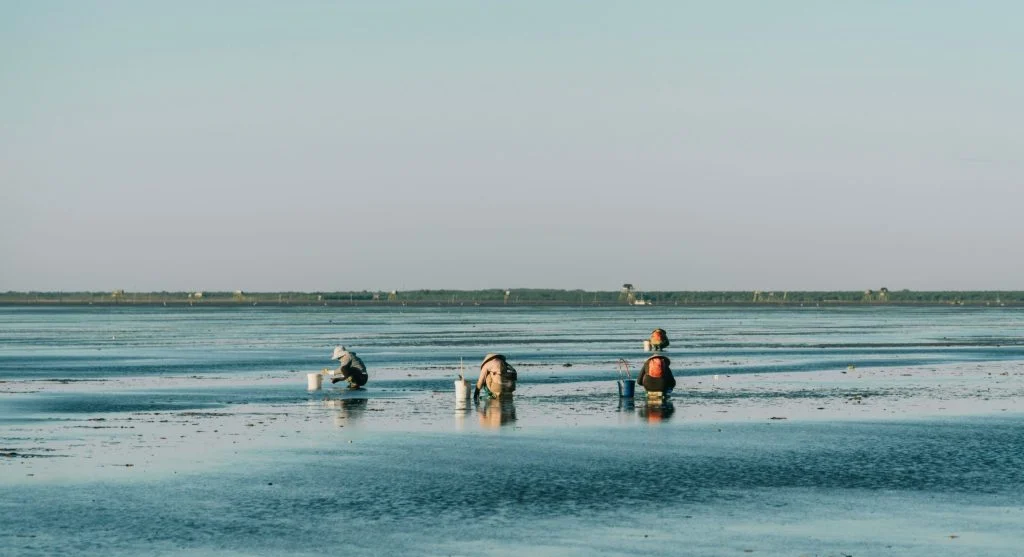
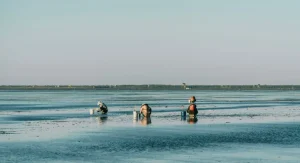
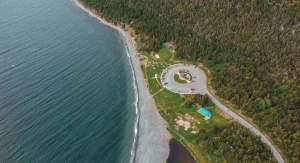
Coastlines are another defining part of natural landscapes in Canada. On the Atlantic side, there are rugged shores, fishing communities, cliffs, and changing ocean weather. On the Pacific side, coastal forests, island views, and rocky beaches create a different but equally strong identity.
Marine specialists often explain that coastal environments are shaped by the interaction of land and water. This creates diverse ecosystems and striking scenery. For many visitors, these regions offer some of the most memorable examples of Canada’s natural beauty.
6. Northern Tundra and Arctic Environments
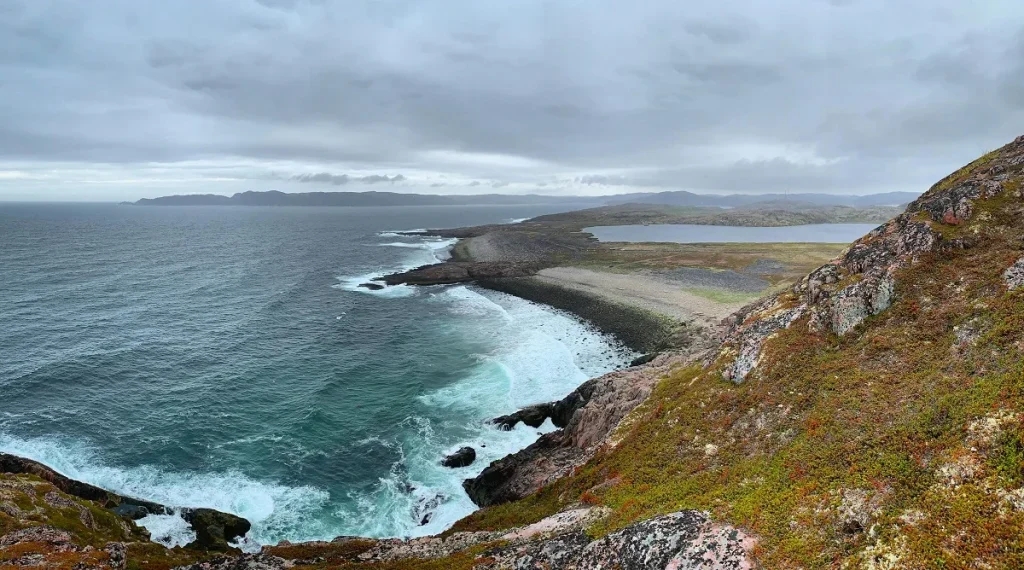
Northern tundra landscapes reveal a more extreme side of Canada’s natural environment. These areas have shorter growing seasons, sparse vegetation, and dramatic shifts in seasonal light. They show how life adapts to colder and more exposed conditions.
Environmental observers often describe tundra landscapes as simple in appearance but important in function. While they may look sparse, they play a major role in climate patterns, wildlife movement, and ecological research. They broaden the understanding of what natural landscapes in Canada can be.
Credit: Sergei Gussev / Pexels
Frequently Asked Questions
Q: What are the most famous natural landscapes in Canada?
A: Mountain regions, freshwater lakes, boreal forests, prairies, and coastal areas are among the best-known examples. Each one shows a different part of Canada natural beauty.
Q: Why are lakes important in Canada nature?
A: Lakes shape ecosystems, local weather, travel routes, and recreation. They are also one of the most recognizable parts of Canadian scenery.
Q: What makes the boreal forest important?
A: The boreal forest supports wildlife, stores carbon, and covers a major part of the country. It is both ecologically important and visually significant.
Q: Do Canadian landscapes change a lot by season?
A: Yes. Seasonal shifts strongly affect color, access, wildlife activity, and visual character in many regions.
Key Takeaway
- How Canadian Seasons Change Wildlife Activity
- Best National Parks for Seeing Canada’s Natural Beauty
- Why Lakes and Forests Shape Outdoor Travel in Canada





Post Comment