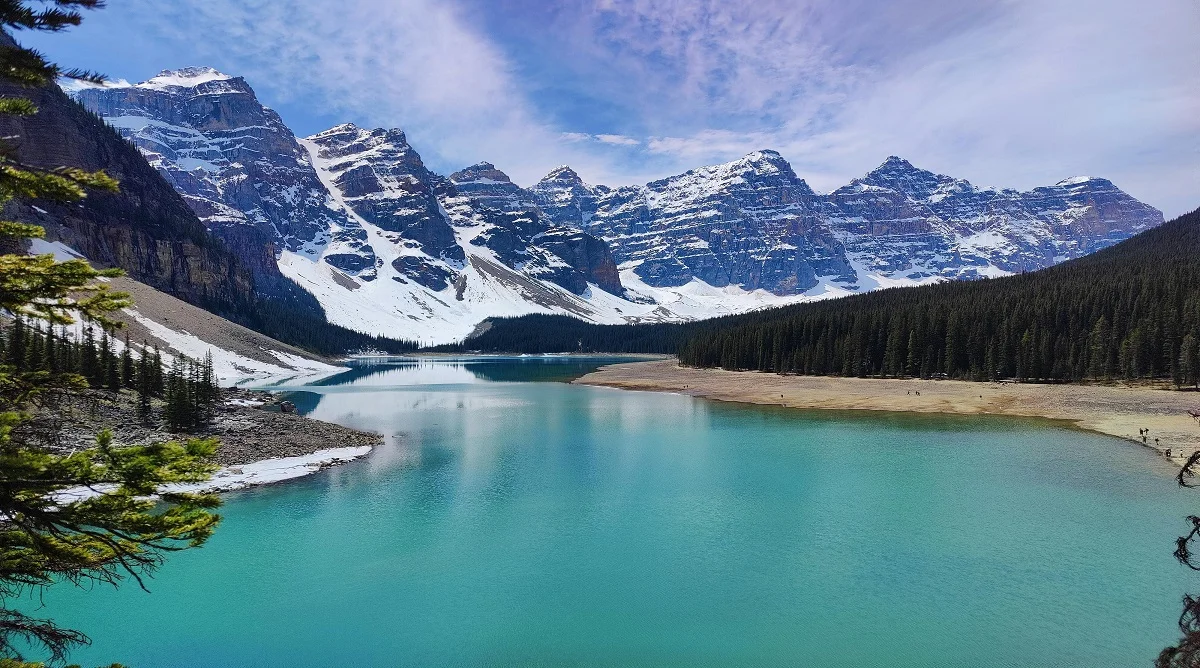
How Canadian Seasons Change Travel, Nature, and Daily Life
Canadian seasons shape daily life in clear and practical ways. Travel plans, outdoor routines, clothing choices, road conditions, and even local events often shift with the time of year. In a country as large as Canada, the change from one season to another can feel especially noticeable.
Geography experts often point out that seasons don’t look the same across the country. Coastal areas, mountain regions, prairie provinces, and northern communities all experience seasonal change differently. Temperature, daylight, and snowfall vary widely, which is why a general understanding of Canadian seasons can help both residents and visitors plan more effectively.
Why Canadian Seasons Feel So Different Across the Country
Canadian seasons vary because of the country’s size and range of landscapes. Some regions experience milder winters with more moisture, while others face colder temperatures and more extreme seasonal shifts. These differences influence how people travel, work outdoors, and organize daily life.
Climate observers often explain that latitude, elevation, and proximity to water all shape seasonal conditions. Because of this, the same season may arrive earlier, last longer, or feel more intense depending on the location. Understanding these patterns helps people prepare more realistically.
Spring and the Start of Seasonal Change
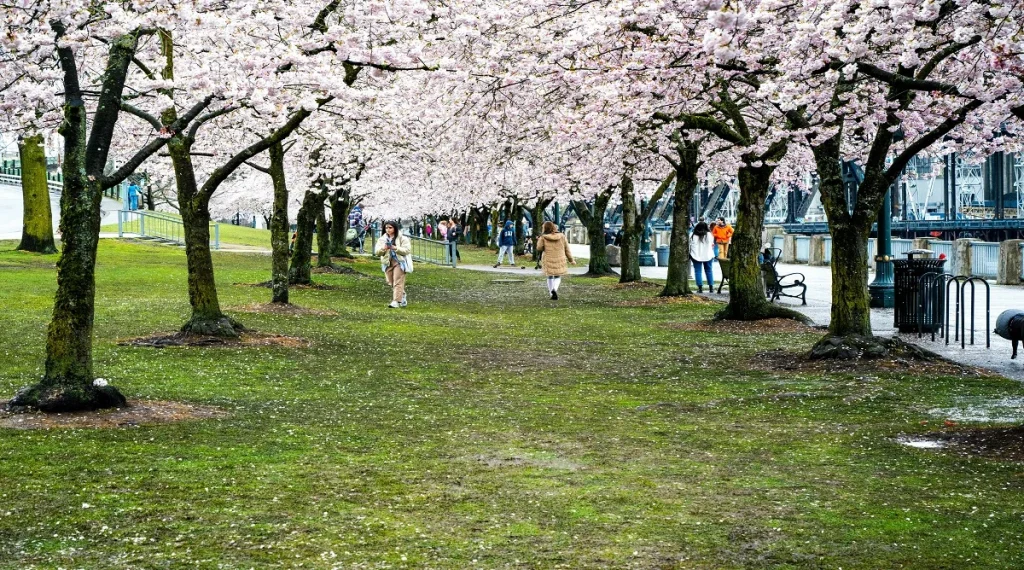
Spring is often a transitional period across Canada. Snow begins to melt, trails gradually reopen, and cities become easier to explore on foot. Nature observers often look for signs of migration, new plant growth, and longer daylight during this time.
At the same time, spring can be unpredictable. Outdoor specialists often remind travelers that conditions may shift quickly. One week may feel mild, while the next brings cold rain or lingering snow. This variability is one reason seasonal planning in Canada benefits from flexibility.
Credit: Brett Sayles / Pexels
Summer and the Most Active Travel Period
Summer is usually the busiest time for travel and outdoor activity in Canada. Longer daylight hours, warmer temperatures, and fully open attractions make it one of the easiest seasons for sightseeing. Families, road trip travelers, and park visitors often plan around summer because access is simpler and schedules are more flexible.
Tourism planners often describe summer as the most versatile season for travel across Canada. Hiking, camping, lake visits, festivals, and scenic drives are easier to arrange. In many regions, it also offers the clearest views of landscapes without snow cover.
Fall and the Shift to Scenic Travel
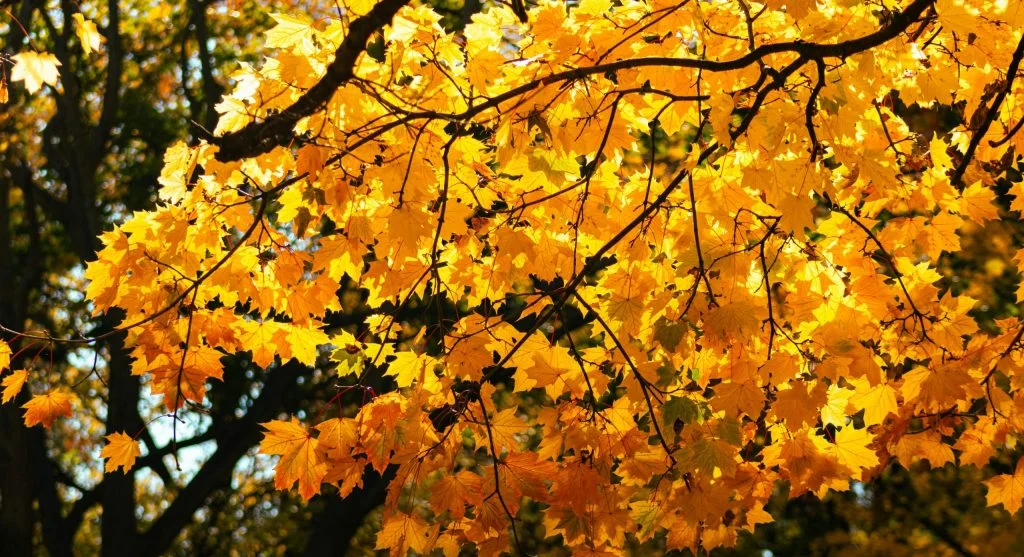
Fall brings a noticeable change in pace. Temperatures cool, leaves begin to change color, and many popular summer destinations become quieter. This makes fall especially appealing for travelers interested in road trips, city walks, and photography.
Seasonal travel in Canada often feels more comfortable in early fall, as humidity drops and crowds begin to thin. Outdoor planners still recommend checking weather conditions carefully, since fall can shift quickly toward colder temperatures depending on the region and elevation.
Winter and Daily Life in Cold Conditions
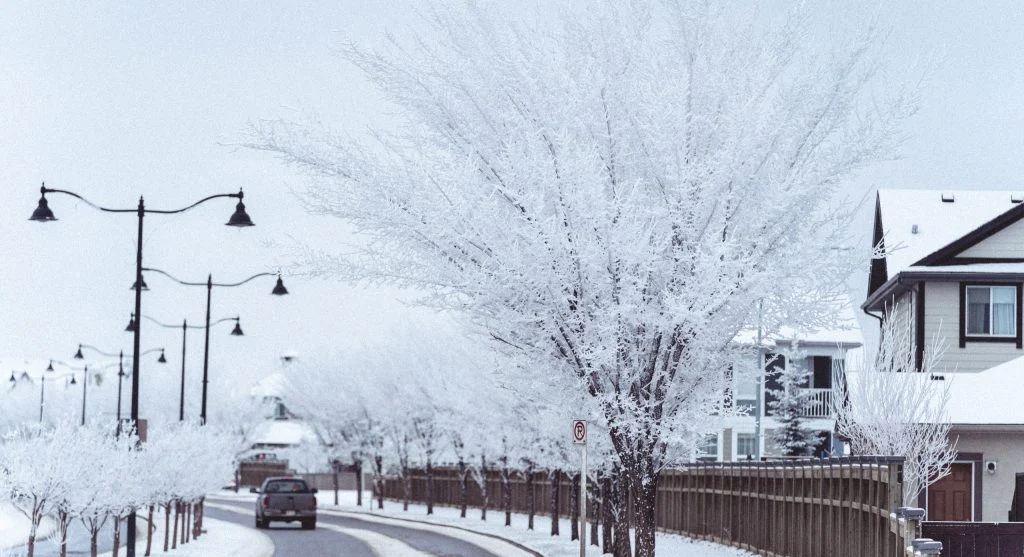
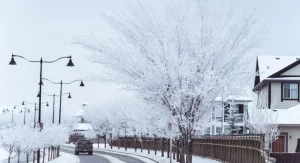
Winter is one of the most defining parts of Canadian seasons. Snow, ice, shorter daylight hours, and cold temperatures affect transportation, daily routines, and outdoor safety. In many communities, winter activities become part of everyday life rather than just occasional recreation.
Cold-weather experts often emphasize planning around layers, timing, and changing forecasts. Winter also shapes travel in practical ways road conditions, public spaces, and activity schedules may all operate differently. For many people, this season represents the strongest image of Canada.
How Canadian Seasons Affect Nature and Wildlife
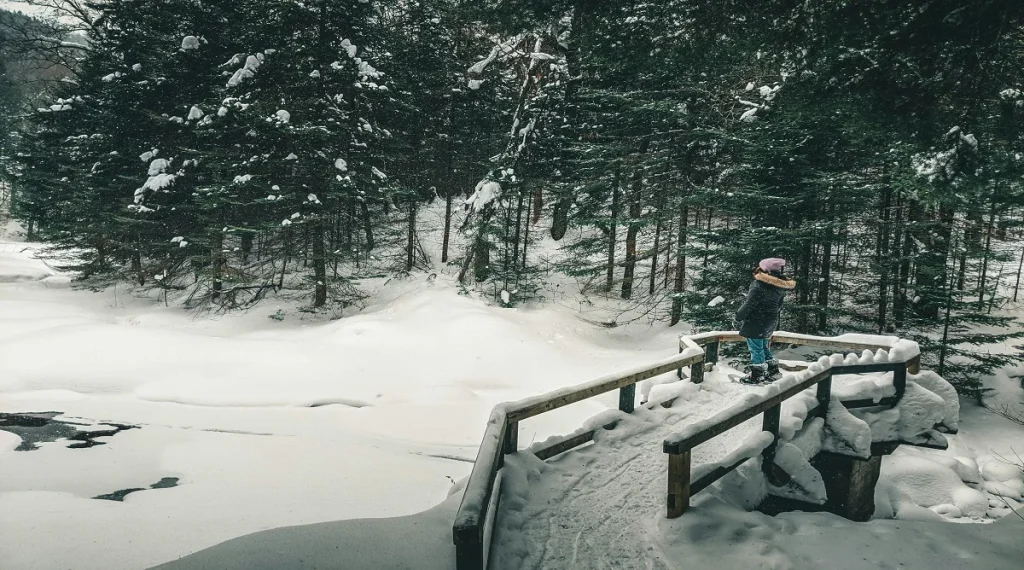
Canadian seasons also shape wildlife activity, water levels, plant growth, and how landscapes can be accessed. Nature educators often explain that migration, feeding patterns, breeding cycles, and visibility all change as temperatures shift. This is one reason the same place can feel completely different from one month to the next.
For readers, this adds another layer to seasonal travel in Canada. A forest trail that feels active and green in summer may appear quiet and still in winter. Understanding how seasons affect ecosystems helps people interpret what they see and experience the landscape with more awareness.
Frequently Asked Questions
Q: How many Canadian seasons are there?
A: Canada follows the four main seasons: spring, summer, fall, and winter. Each one can feel quite different depending on the region.
Q: Which season is best for travel in Canada?
A: Summer is often the easiest for general travel, but fall also works well for scenery and milder conditions. The best choice depends on travel goals.
Q: Are Canadian seasons the same in every province?
A: No. Local geography, elevation, and nearby water all affect how seasons in Canada are experienced.
Q: Why is winter so important in Canadian identity?
A: Winter affects routines, transport, outdoor life, and cultural traditions in many parts of the country. It is both a practical and symbolic season.
Key Takeaway
- Best Times to Visit Canada for Every Kind of Trip
- How Fall Changes Nature Travel Across Canada
- What Winter Conditions Mean for Outdoor Planning in Canada








Post Comment