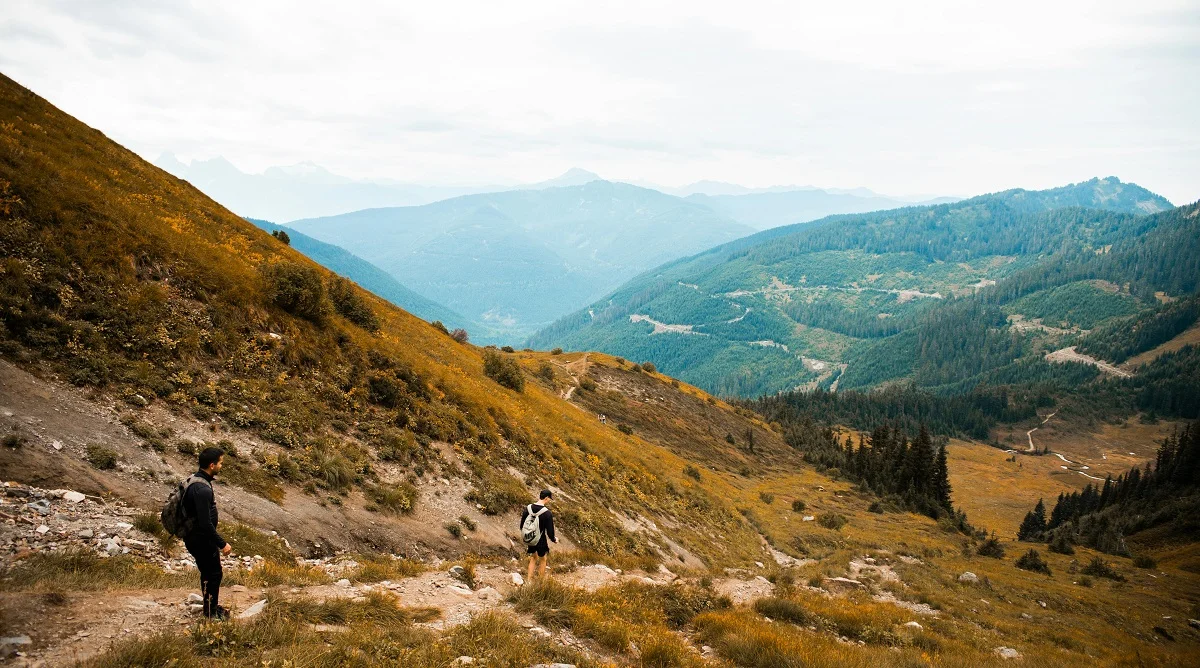
How to Plan a Safe and Simple Outdoor Day Trip in Canada
An outdoor day trip in Canada can be simple, rewarding, and easier to manage than a longer overnight outing. Many people choose day trips for walking trails, park visits, lake views, picnic stops, or scenic drives with short outdoor breaks. With a bit of planning, the day can stay both comfortable and safe.
Outdoor educators often point out that even short trips need preparation. Weather can shift quickly, distances may feel longer than expected, and access points can vary by season. A basic plan makes a noticeable difference.
Choose the Right Outdoor Day Trip in Canada for the Season
The first step is choosing a location that fits the season. A trail that works well in summer may be muddy in spring, crowded in fall, or unsafe in winter. Planning becomes much easier when the destination matches current weather and ground conditions.
Park staff and outdoor safety specialists often suggest starting with simple, well-marked locations. Clear paths, defined access points, and predictable return times are especially helpful for families or anyone exploring a new area.
Check Weather Before Any Outdoor Day Trip in Canada
Weather is one of the most important parts of planning. A calm morning can shift into rain, wind, or cooler temperatures later in the day. Outdoor safety in Canada depends on understanding the full daily pattern, not just the starting conditions.
Outdoor planners often recommend checking for changes throughout the day rather than relying on a single forecast number. Wind, cloud cover, and evening cooling can all affect comfort and timing. A quick weather check can also help decide whether to shorten the route or adjust plans altogether.
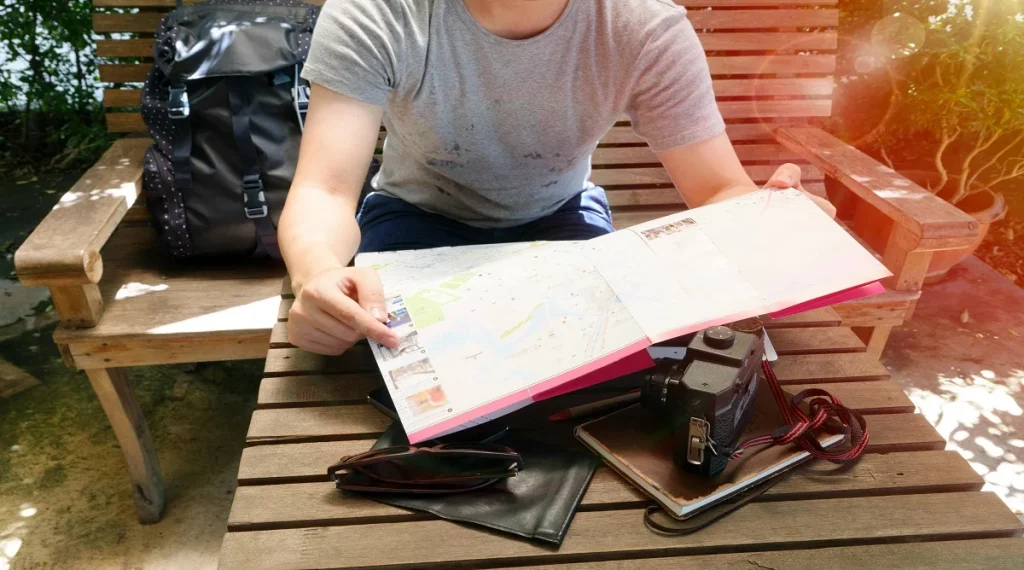
Credit: Porapak Apichodilok / Pexels
Dress and Pack for Changing Conditions
Layered clothing is often the most practical approach for day trip preparation. Temperatures can shift throughout the day, especially near water, in forested areas, or at higher elevations. Comfortable shoes, extra water, simple snacks, and a light outer layer can make a noticeable difference in comfort.
Outdoor instructors often suggest packing with the return trip in mind, not just the starting conditions. What feels warm at midday may feel cold later if the route becomes shaded or windy. Carrying a few basic items helps prevent many common day trip issues.
Share the Plan and Keep Timing Simple
Even for short outings, it’s helpful to let someone know where you’re going and when you expect to return. This is a basic outdoor safety habit that takes very little effort. Keeping timing realistic also matters, with enough daylight built in for breaks and a steady pace.
Search and rescue professionals often point out that many avoidable problems start with late departures or unclear plans. A shorter trip completed comfortably is usually better than pushing too far. For many people, simple timing decisions are one of the most practical parts of outdoor planning in Canada.
Know the Difference Between Scenic Access and Backcountry Conditions
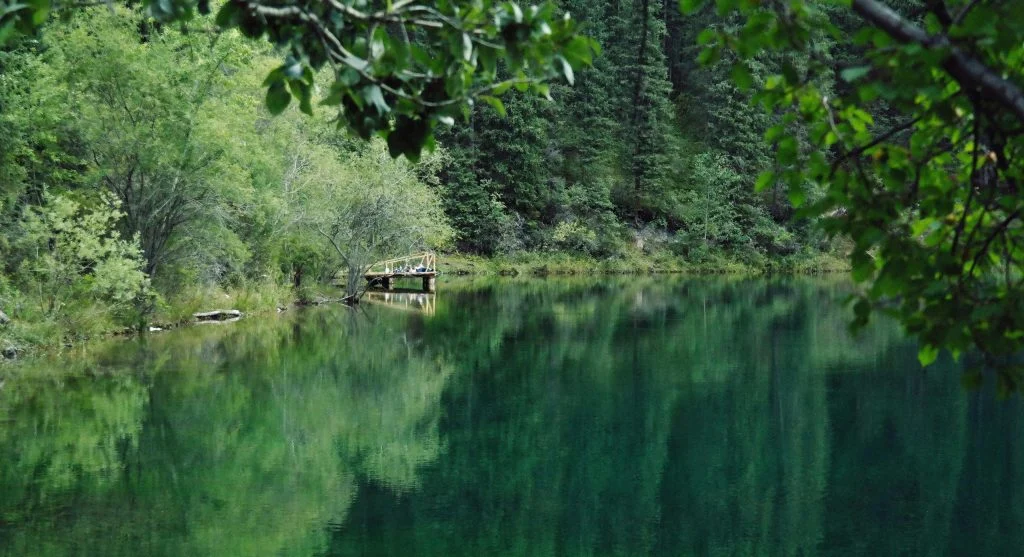
Not every outdoor day trip in Canada involves remote wilderness. Many rewarding outings take place in managed parks, along short trails, near lakes, or at scenic viewpoints. Understanding this difference helps people choose trips that match their experience and comfort level.
Outdoor recreation specialists often encourage beginners to start with accessible locations. Well-maintained areas can still offer impressive scenery without the added challenge of navigation or isolation. This approach keeps the experience enjoyable while lowering risk.

Credit: James Wilson / Pexels
Frequently Asked Questions
Q: What should people pack for an outdoor day trip in Canada?
A: Water, snacks, layers, comfortable footwear, and a simple route plan are basic needs. The exact list depends on season and location.
Q: Is a day trip safer than an overnight outdoor trip?
A: It is often simpler to manage, but it still needs planning. Weather, terrain, and timing can still create problems if ignored.
Q: How important is weather for a day hike?
A: Weather is very important because conditions can change quickly. Forecast shifts may affect clothing, comfort, and route choices.
Q: Are marked trails better for beginners?
A: Yes. Clear paths and known access points usually make the trip more manageable and reduce common navigation mistakes.
Key Takeaway
- Best Beginner-Friendly Outdoor Spots in Canada
- How Canadian Seasons Affect Trail Conditions
- What to Pack for a Scenic Day Walk in Canada












Post Comment