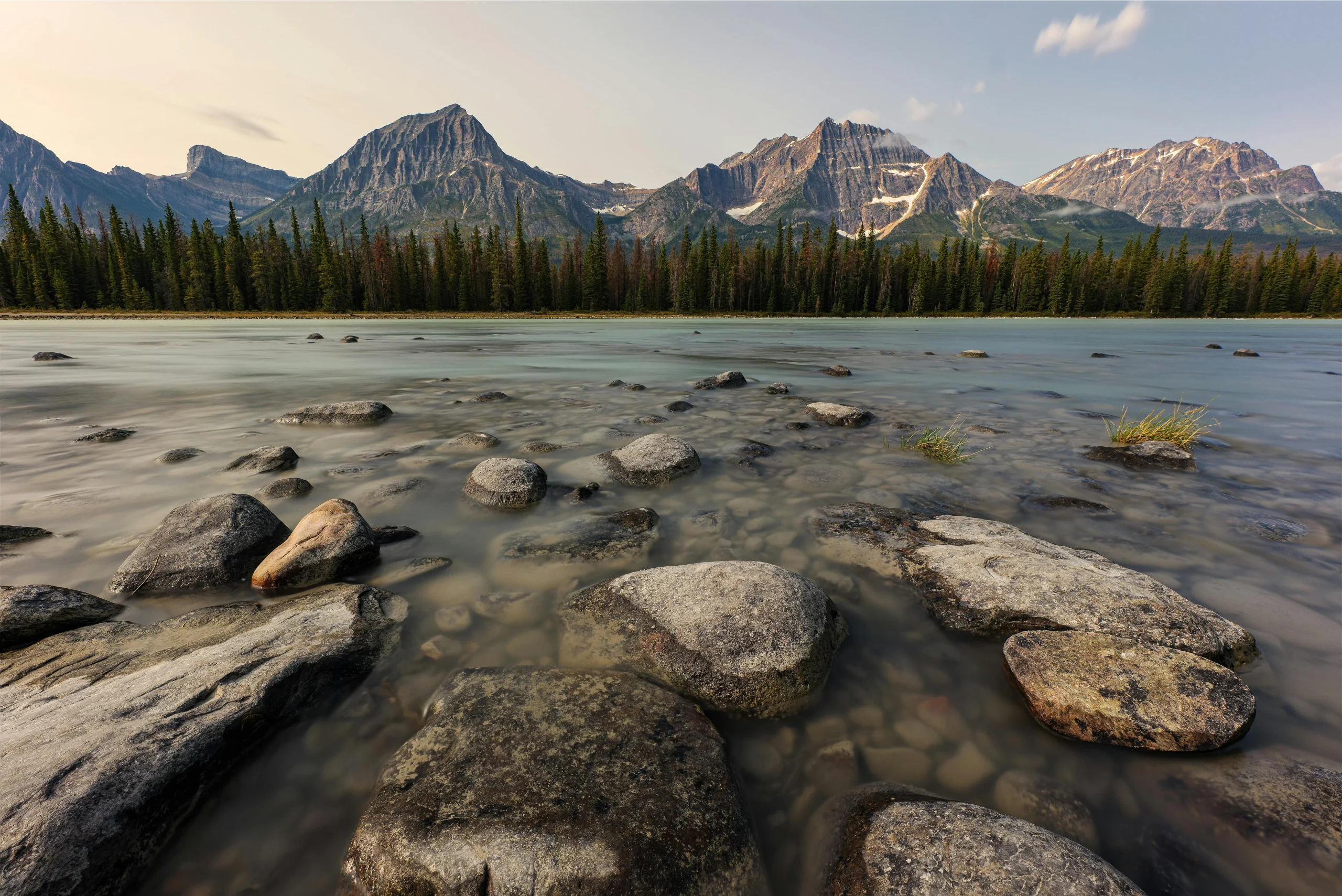
Why National Parks Matter to Nature, Travel, and Conservation in Canada
 Credit: Ali Kazal / Pexels
National Parks as Places for Public Access and Learning
Another strength of national parks in Canada is that they allow people to experience nature directly. Visitors can walk trails, stop at viewpoints, learn from interpretation programs, and see how different ecosystems work. That kind of access often builds appreciation more effectively than distant reading alone.
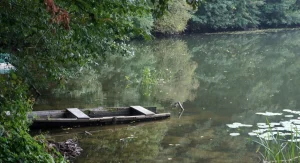
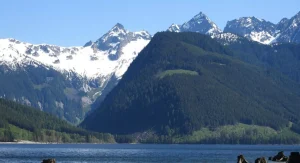
Nature educators often point out that firsthand experience changes how people think about landscapes. A lake, forest, or mountain area becomes more meaningful when visitors can move through it and notice its scale. Parks make that connection easier for families, students, and general travelers.
How Parks Support Responsible Nature Travel
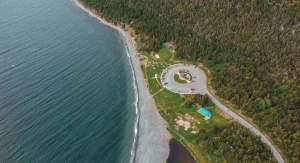
Canadian nature travel is often strongest when it happens in places designed for managed access. Parks can provide marked trails, visitor information, day-use spaces, and safety guidance that help reduce common travel problems. These features support a better experience without removing the feeling of being in nature.
Travel planners often recommend parks because they balance scenery with structure. Visitors can enjoy a protected setting while still having access to signage, maps, and rules that protect the area. This makes national parks in Canada especially useful for beginner-friendly outdoor trips.
Conservation Challenges Still Exist Inside Protected Spaces
Protected status does not remove every challenge. Parks can still face pressure from climate shifts, visitor volume, invasive species, and habitat disturbance. That is why conservation work continues even after a landscape is protected on paper.
Researchers and land managers often explain that long-term care matters just as much as initial protection. Monitoring, visitor education, and habitat management all remain important. National parks in Canada are valuable, but they still need active stewardship.
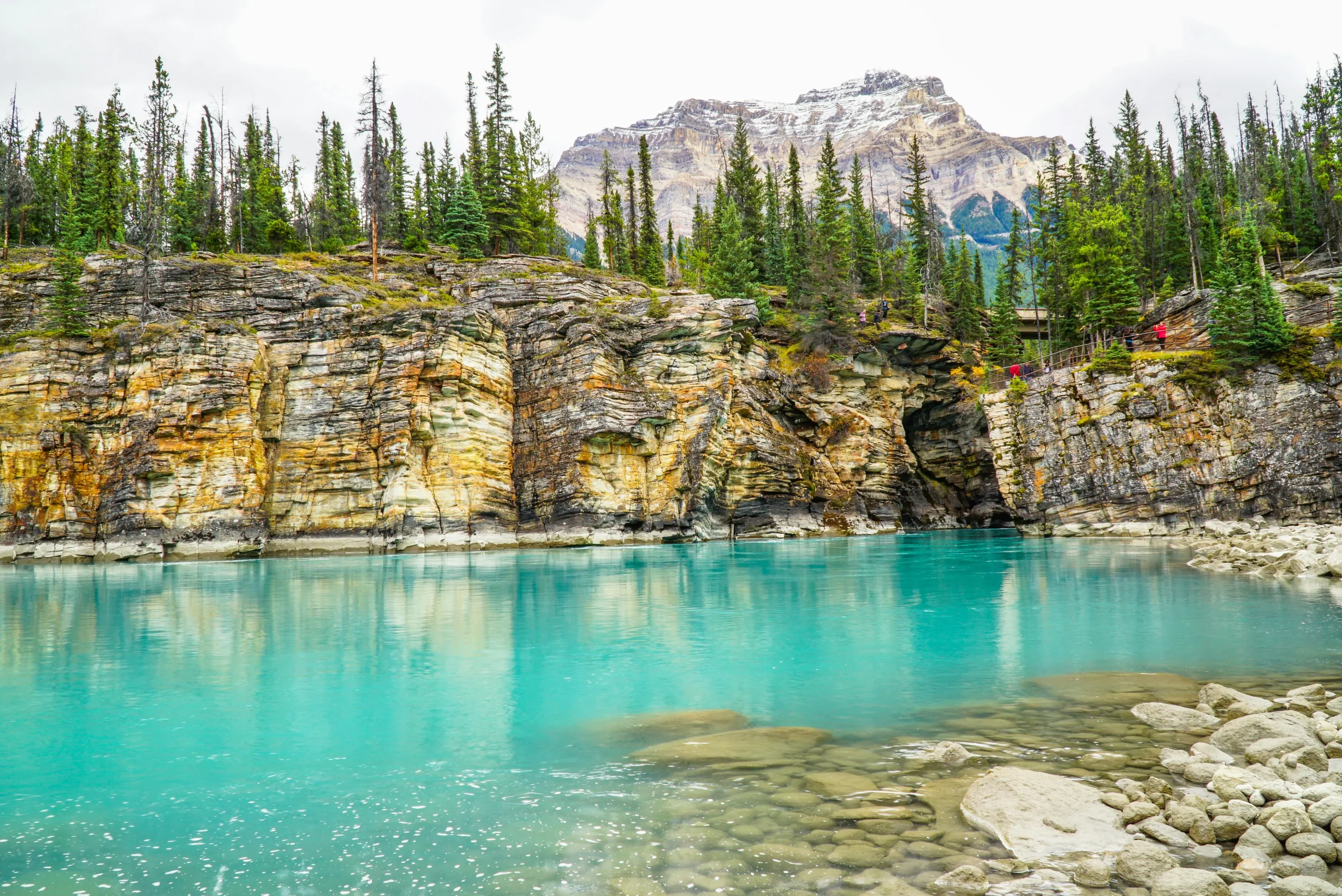 Credit: Nunzio Guerrera / Pexels
Frequently Asked Questions
Q: Why are national parks important in Canada?
A: They protect landscapes, support wildlife habitat, and give people access to natural spaces for learning and recreation.
Q: Do national parks only exist for tourism?
A: No. Tourism is one part of their public role, but conservation and habitat protection are central purposes.
Q: Can protected parks still face environmental pressure?
A: Yes. Climate change, visitor impact, and habitat disruption can still affect protected areas.
Q: Are parks useful for beginner outdoor travelers?
A: Yes. Many parks offer marked trails, signage, and visitor support that make outdoor access easier to manage.
Key Takeaway
National parks in Canada protect important landscapes while helping the public understand and enjoy nature more responsibly. They support wildlife habitat, conservation goals, and structured access for travelers and learners. Protected areas still need active care, but they remain one of the clearest ways to connect people with natural heritage. National parks in Canada matter because they serve both ecology and public understanding at the same time.
[INTERNAL LINKING SUGGESTIONS]
- 7 Natural Landscapes That Show the Beauty of Canada
- How Canadian Seasons Affect Wildlife and Outdoor Access
- How to Plan a Simple Outdoor Day Trip in Canada









Post Comment