How Seasonal Food Habits Reflect Local Life Across Canada
Credit: ROMAN ODINTSOV / Pexels
Summer Often Brings the Most Visible Seasonal Variety
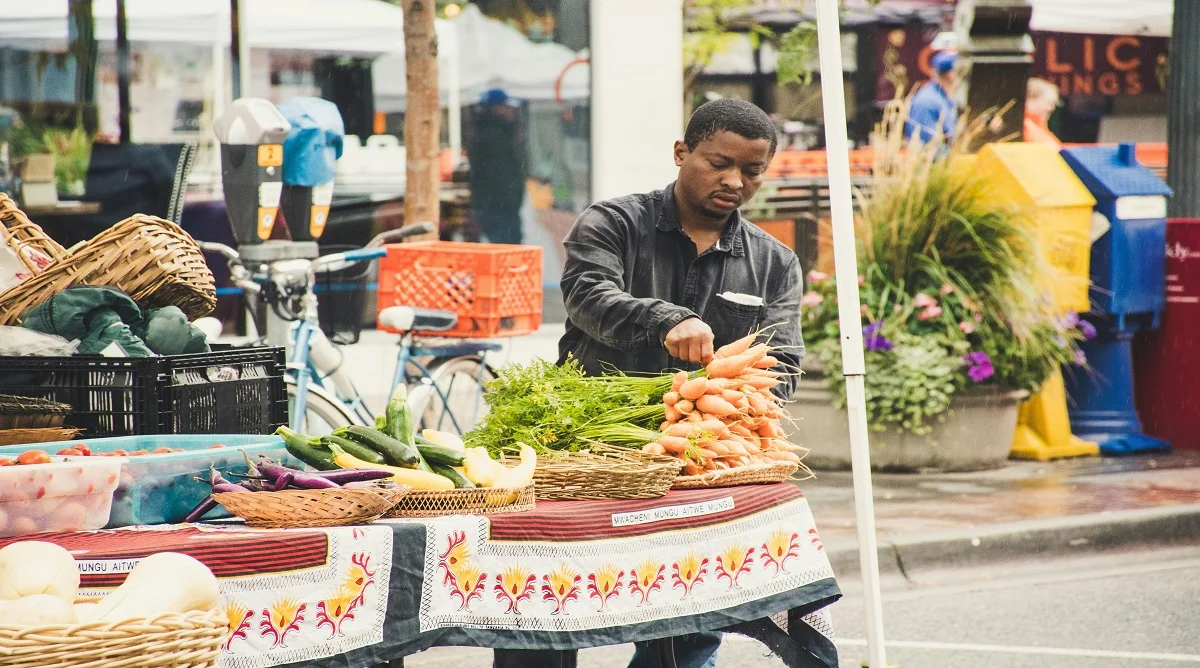
Summer is often the easiest time to see seasonal food habits in Canada. Farmers markets become more active, fresh produce is widely available, and outdoor gatherings often influence what people prepare and share. In many communities, food feels more connected to public life during this season.
Regional food specialists often note that summer allows access to a wider range of local ingredients. Meals tend to feel lighter and fresher, often shaped by travel, day trips, and outdoor events. This makes summer one of the clearest times to understand local life through food.
Fall Brings Harvest Patterns and a Stronger Seasonal Identity
Fall often gives seasonal food habits in Canada a more defined regional character. Harvest timing, local markets, baked goods, preserved ingredients, and cooler-weather meals become more noticeable. In many places, autumn is when food feels most directly tied to the land.
Food historians often explain that fall traditions remain strong because they connect farming cycles, storage practices, family routines, and community events. This is often visible in local products, seasonal festivals, and everyday cooking. Fall gives regional food traditions a clear presence in daily life.
Winter Food Habits Often Reflect Comfort and Practicality
Winter typically shifts food habits toward warmth, planning, and practicality. Meals may become heavier, preserved ingredients play a larger role, and comfort becomes an important part of food choices. These patterns reflect both the weather and the slower pace of winter life.
Food culture researchers often note that winter meals show how communities adapt to colder conditions. Cooking during this time often draws on long-standing habits related to storage, warmth, and routine. Seasonal food habits in Canada tend to become more home-centered during winter.
Credit: Gundula Vogel / Pexels
Local Markets and Community Spaces Help Make These Habits Visible
Markets, bakeries, cafés, and community events often reveal seasonal food habits more clearly than formal guides. These places show what is available, what people value, and what is being bought or shared at a given time of year. They make local culture visible in everyday, practical ways.
Cultural observers often describe these spaces as windows into regional identity. A seasonal display, a local specialty, or even a shift in market rhythm can reflect broader community patterns. This is one reason Canadian food culture works well as a local-interest topic, not just a travel subject.
Why Seasonal Food Habits Matter to Understanding Canada
Food habits help explain how people live in relation to climate, land, and daily routine. They show how communities adapt to colder months, respond to harvest periods, and adjust to seasonal changes in public life. In this way, food becomes a clear link between environment and culture.
Seasonal food habits in Canada matter because they turn broad ideas about region and season into something concrete. Readers can see the impact of local conditions in markets, meals, and everyday choices. This makes food culture one of the most accessible ways to understand the country beyond its landmarks.
Frequently Asked Questions
Q: Why do seasonal food habits in Canada change so much?
A: They change with climate, local harvest timing, ingredient availability, and everyday routines that shift through the year.
Q: Which season makes food habits most visible in Canada?
A: Summer and fall often make seasonal changes especially visible because markets, produce, and local traditions become easier to notice.
Q: Do winter food habits reflect climate in Canada?
A: Yes. Winter meals often show the importance of warmth, practicality, and food traditions shaped by colder conditions.
Q: Are markets useful for understanding Canadian food culture?
A: Yes. Markets often show seasonal ingredients, local preferences, and regional food identity in a direct way.
Key Takeaway
- How Regional Food Reflects Local Culture Across Canada
- Why Local Markets Tell a Bigger Story About Life in Canada
- What Fall in Canada Changes for Travel, Food, and Outdoor Life














Post Comment