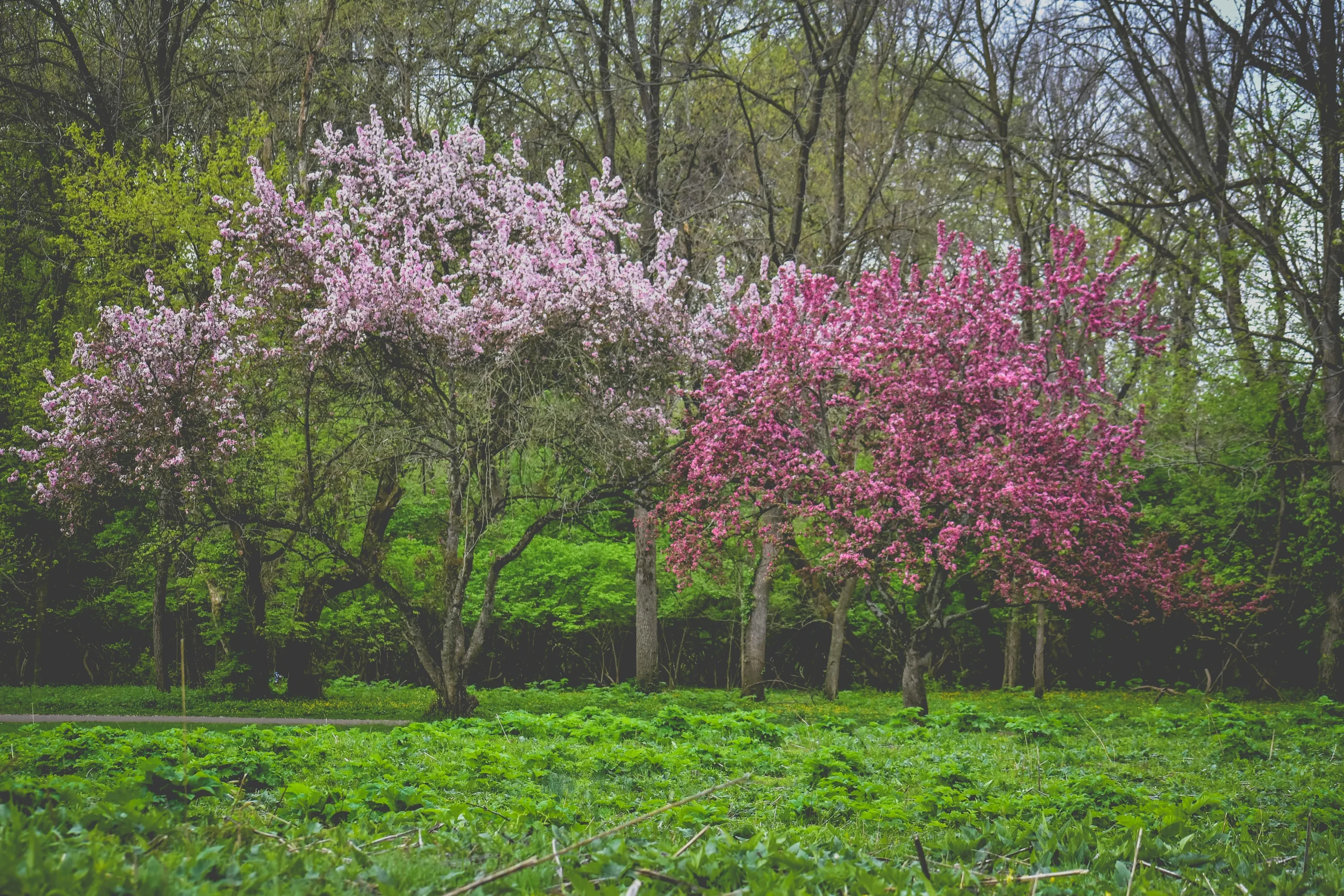
Why Spring in Canada Can Feel So Different From Region to Region
Spring in Canada stands out as one of the most noticeable seasons because it brings visible changes to landscapes, daily routines, and travel conditions. In one area, snow may just be starting to melt, while another is already showing fresh greenery, open trails, and milder temperatures. This uneven shift is part of why spring often feels more complex than summer or fall.
Climate observers often explain that spring doesn’t arrive all at once across Canada. It moves differently through coastal regions, mountain areas, prairies, cities, and northern communities. Understanding spring in Canada means recognizing how local geography shapes the season, rather than expecting the entire country to change at the same time.
Why Spring in Canada Arrives at Different Speeds
Canada’s size and varied landscape play a major role in how quickly spring appears. Some regions warm up earlier, while others take much longer to transition. Coastal influence, elevation, distance from large bodies of water, and local temperature patterns all affect how the season unfolds.
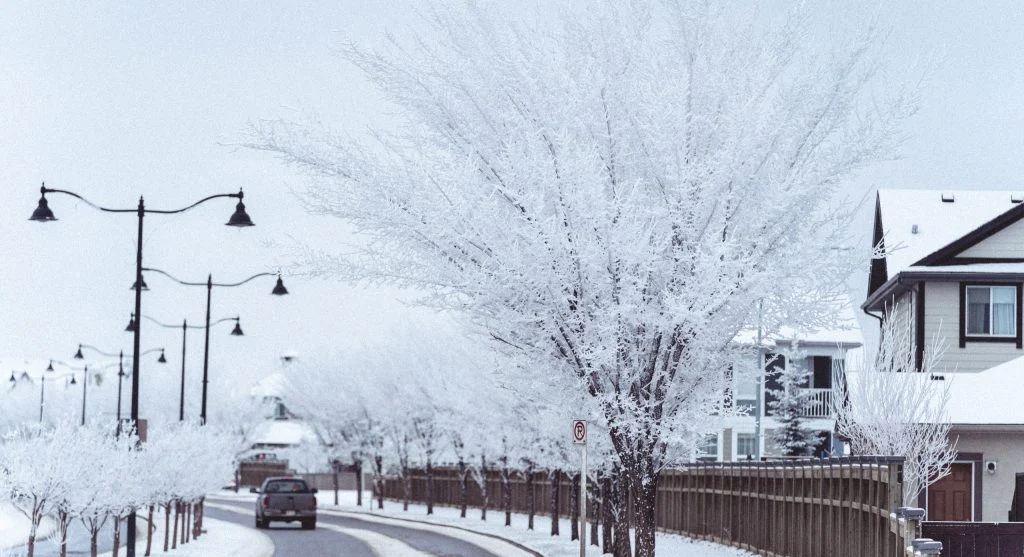
Weather specialists often describe spring as a gradual transition rather than a fixed starting point. One area may already have rain, soft ground, and new plant growth, while another is still dealing with snowbanks and cold mornings. This is why Canada spring weather can feel so different depending on the region.
Spring in Canada Often Looks Uneven at First
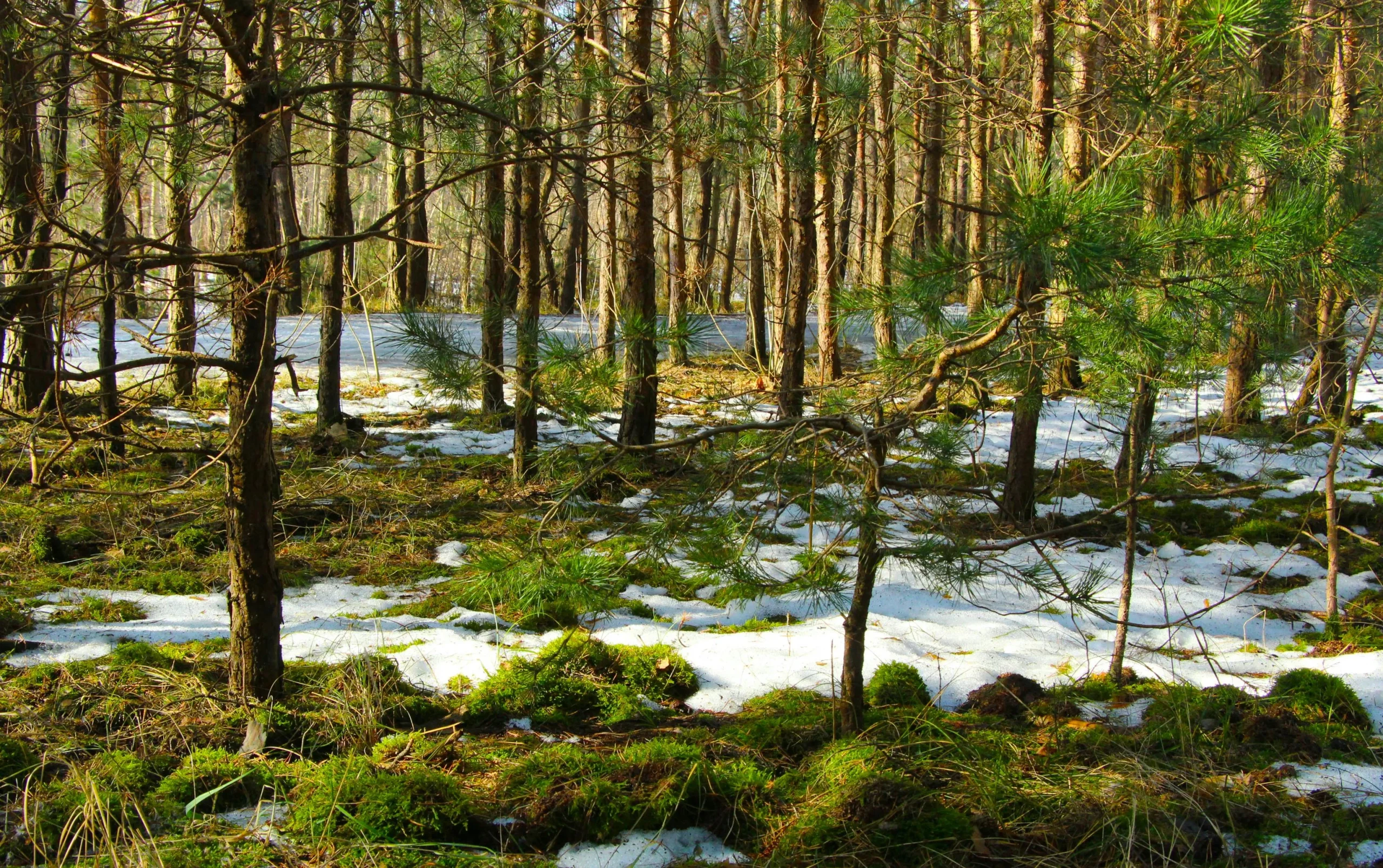
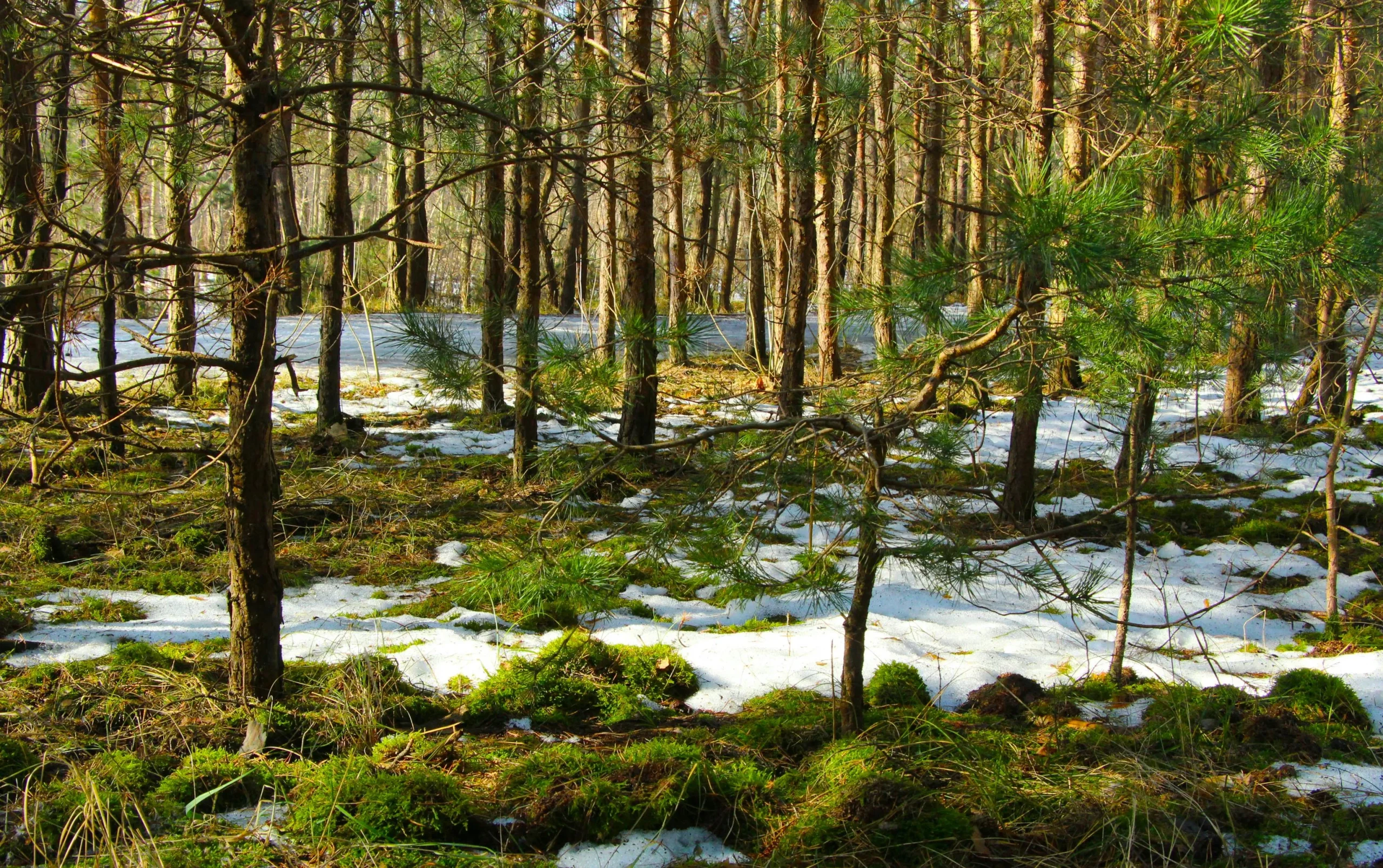
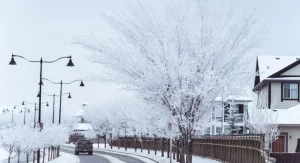
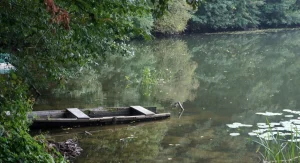
One of the defining features of spring is how incomplete it can seem in the beginning. Parks might show patches of green grass, while shaded areas still hold onto snow. Lakes and rivers may start to thaw, but the air can remain cool, especially early in the day or later in the evening.
Nature educators often note that this uneven appearance is part of what makes the season unique. Spring is a period of overlap, where signs of winter and early warmth exist side by side. This gives the seasonal shift in Canada a more active and evolving feel rather than a smooth, uniform change.
 Credit: Gosia K / Pexels
Regional Landscapes Change in Different Ways During Spring
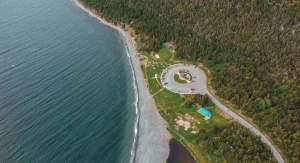
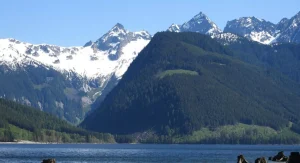
Spring in Canada does not look the same in every type of landscape. In forest regions, the season may be marked by thawing ground, returning birds, and gradual leaf growth. In prairie areas, open land may reveal weather changes quickly, while mountain regions may hold snow much longer at higher elevation.
Landscape specialists often explain that spring is easiest to understand when readers look at local terrain. Water levels, trail conditions, and plant growth all respond differently depending on the land. This is why one region may feel fully into spring while another still feels close to late winter.
Daily Routines Begin to Shift With the Season
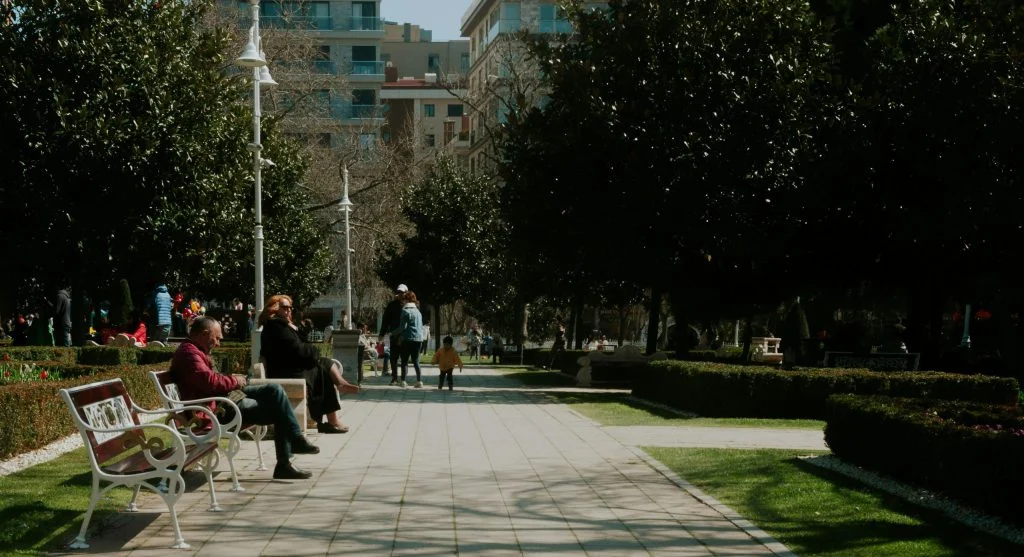
Spring also changes everyday life. People often spend more time outdoors, public spaces become more active, and neighborhoods may feel more open after colder months. The season can affect clothing, travel timing, and how communities use parks, paths, and local gathering spaces.
Urban and regional observers often note that spring brings a visible change in pace. The shift may not be dramatic at first, but it becomes clear in small routines such as walking, outdoor markets, and public activity. Spring in Canada often feels like the country beginning to open again.
Spring Travel in Canada Requires Flexible Expectations
Spring can be a rewarding travel season, but it often works best for readers who stay flexible. Weather may shift quickly, trail access may vary, and a destination that looks ready for full outdoor activity may still be in transition. This does not make spring a poor season for travel, but it does make planning more important.
Travel planners often describe spring travel in Canada as a season of opportunity mixed with unpredictability. A traveler may enjoy quieter public spaces, fresh scenery, and local change, but should still expect uneven conditions. Flexible planning usually makes spring trips feel much easier and more enjoyable.
 Credit: Alesia Kozik / Pexels
Frequently Asked Questions
Q: Why does spring in Canada arrive at different times?
A: Regional climate, terrain, elevation, and nearby water all affect how quickly seasonal change takes hold.
Q: Is spring in Canada a good time for travel?
A: It can be, especially for travelers who do not mind flexible plans and changing weather conditions.
Q: Why does spring sometimes still look like winter in parts of Canada?
A: Spring often arrives unevenly, so snow, cold air, and thawing ground may all remain part of the landscape for a while.
Q: What signs show that spring is starting in Canada?
A: Melting snow, longer daylight, bird activity, fresh greenery, and more outdoor movement are common signs.
Key Takeaway
Spring in Canada feels different from region to region because geography, climate, and local conditions shape how the season arrives. It often begins unevenly, with melting snow, fresh growth, and changing routines appearing side by side. The season can be beautiful and useful for travel, but it rewards flexible expectations. Spring in Canada matters because it shows how strongly regional landscapes influence the country’s seasonal identity.
[INTERNAL LINKING SUGGESTIONS]
- How Canadian Seasons Change Travel, Nature, and Daily Life
- How Wildlife Seasons Change What People See in Nature Across Canada
- Why Slow Travel in Canada Can Lead to a Better Trip




Post Comment