Why Small Towns and Big Cities Offer Different Views of Canada
 Credit:
 Small Towns Often Reveal Local Rhythm More Clearly
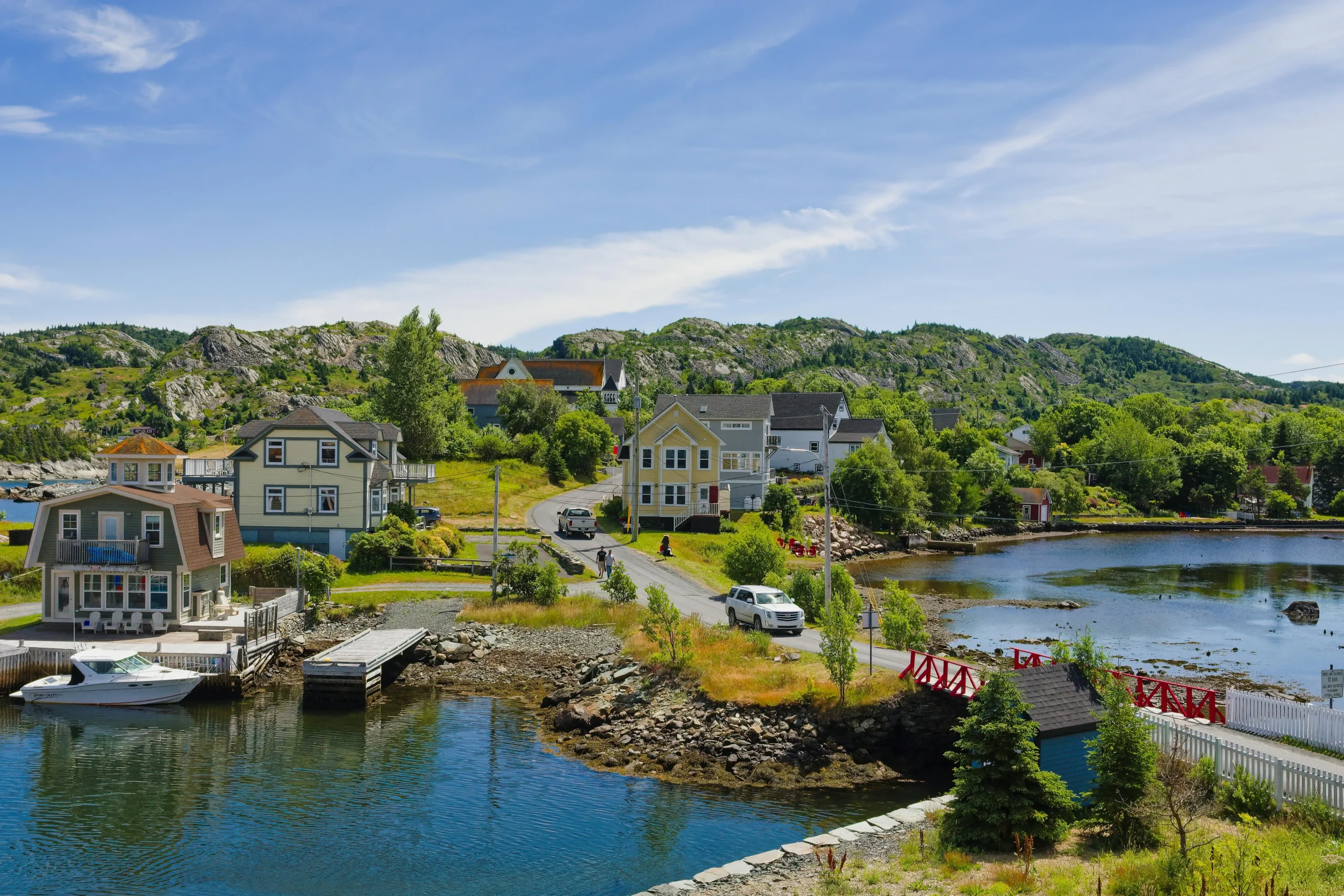
Small towns often make the rhythm of daily life easier to notice. The pace tends to be slower, distances feel shorter, and everyday routines stand out more clearly. A bakery, harbor, café, local park, or seasonal market can reveal more about a place than a long list of attractions.
Cultural observers often point out that routine becomes more visible in smaller settings. It’s easier to see who gathers in a public square, how activity shifts along a single street, or how nearby nature shapes the town’s overall feel. At this scale, local life in Canada often feels clearer and easier to understand.
Nature Often Feels Closer in Smaller Communities
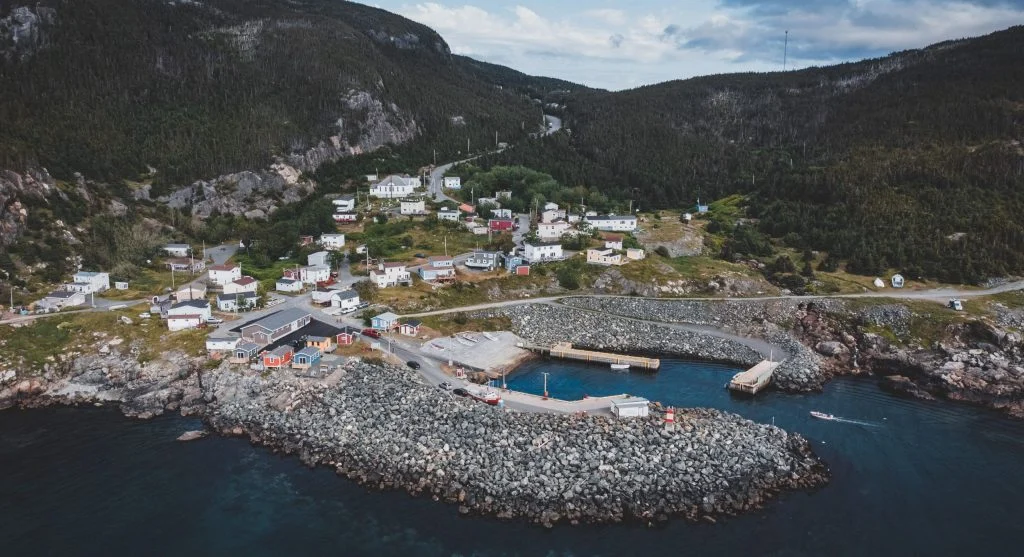
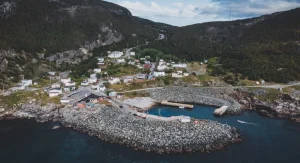
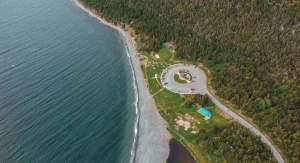
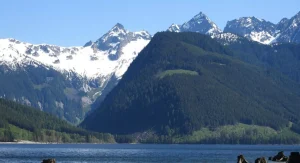
Many small towns in Canada are closely connected to the land or water around them. Lakes, forests, coastlines, mountain views, and farmland often sit right beside everyday community life. This closeness can make the town feel strongly tied to both region and season.
Regional planners often explain that smaller communities are shaped more directly by their surroundings. The landscape can influence work, recreation, weather patterns, and how public spaces are used. This is one reason small towns and big cities in Canada create such different travel experiences.
Big Cities Can Show Cultural Range in a Different Way
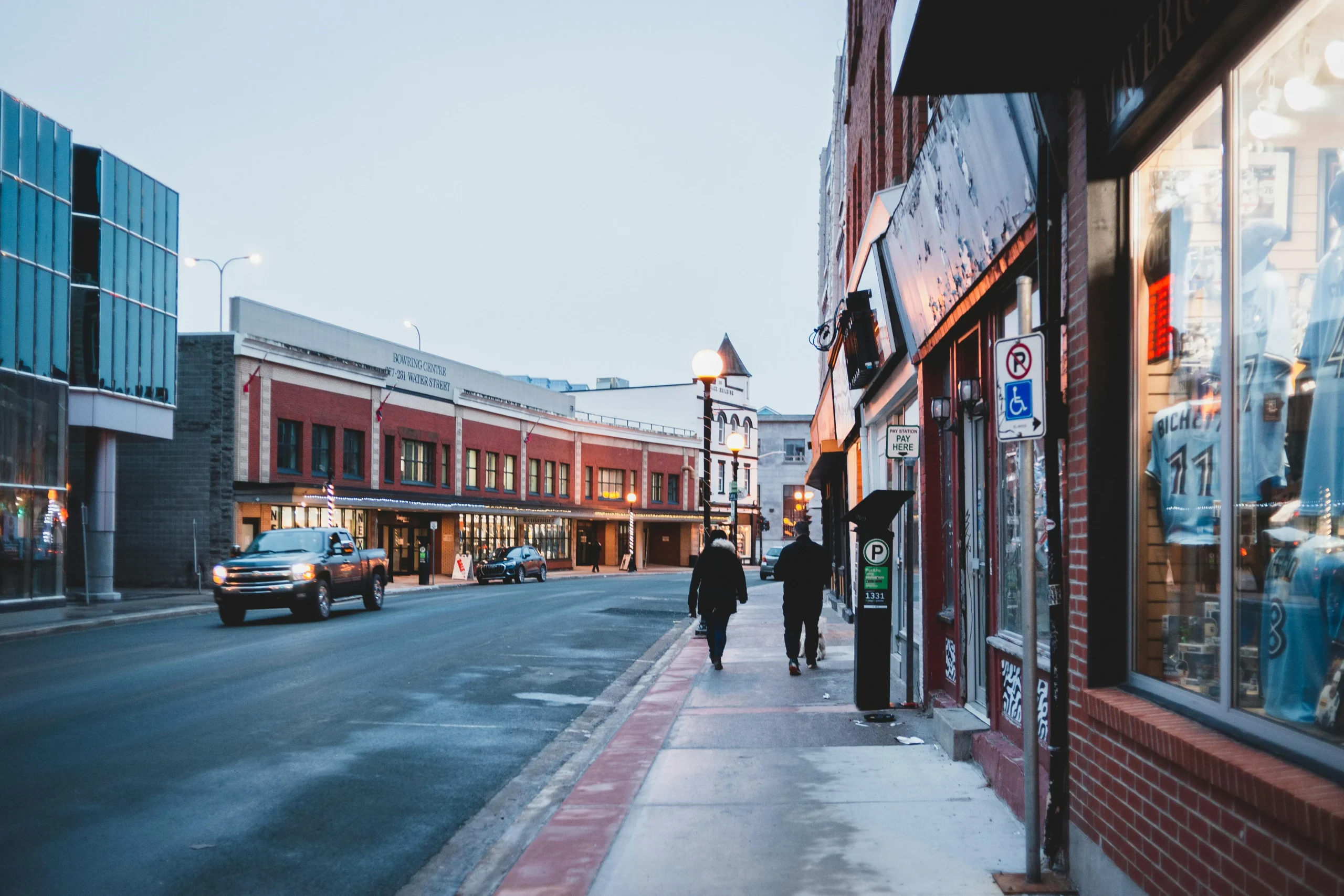
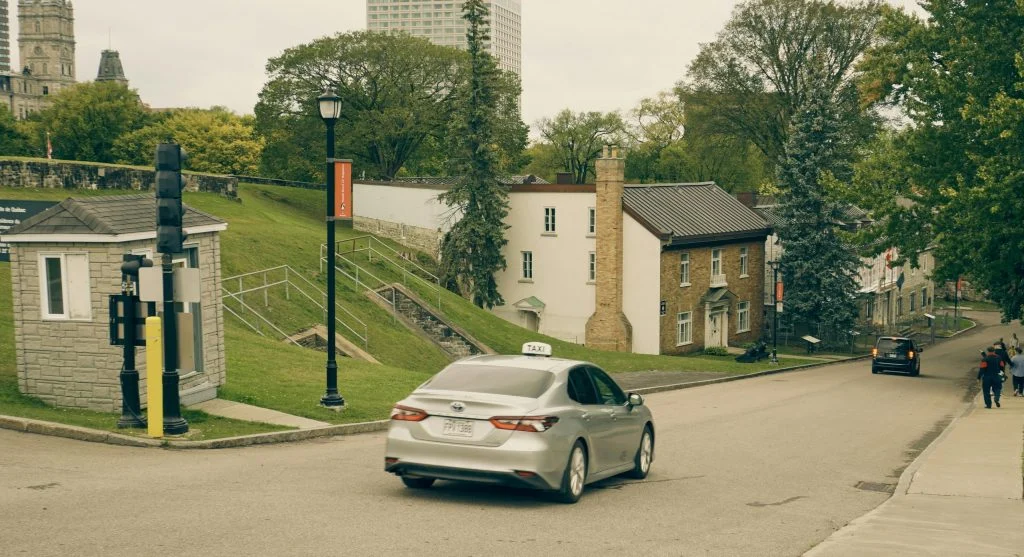
While small towns tend to reveal identity through routine and setting, big cities often show it through variety and contrast. Different neighborhoods, institutions, and food scenes reflect layers of history, migration, and change. This creates a broader, though sometimes less personal, view of culture.
Urban culture specialists often describe cities as places where multiple versions of local identity exist at once. This makes them especially appealing for travelers who enjoy exploring different districts and comparing patterns of daily life within a single destination. Both cities and towns reveal culture, but in distinct ways.
Travel Goals Often Decide Which Setting Feels Better
Some travelers are drawn to energy, public transit, and a wide selection of attractions. Others prefer scenic calm, a slower pace, and a stronger sense of place. Neither option is better in every situation—each supports a different kind of trip.
Travel planners often suggest choosing based on purpose. A short cultural visit may suit a large city, while a quieter regional escape may feel more natural in a small town. Both settings offer value, but they serve different expectations.
Season Changes the Experience in Both Places
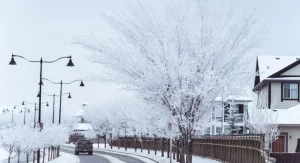
Seasonal shifts affect towns and cities differently. In a large city, winter may change transit patterns, sidewalk flow, and how public spaces are used. In a small town, the season often shows more through the landscape, local events, and the pace of community life.
Season can also shape what stands out first. A city may feel defined by busy streets in summer, while a small town may be remembered for fall colors or a snow-covered waterfront in winter. This adds variety to travel across Canada beyond simple city-versus-town comparisons.
Why Both Settings Matter for Understanding Canada
A country as large as Canada can’t be understood through just one type of place. Big cities reveal scale, diversity, and movement, while small towns highlight local rhythm, regional identity, and everyday connection to the landscape. Together, they offer a more complete picture.
That’s why comparing small towns and big cities works so well. It shows how place size shapes culture, travel, and atmosphere in ways that are easy to recognize. Looking at both helps present Canada as a collection of distinct experiences rather than a single travel style.
Frequently Asked Questions
Q: Why do small towns and big cities in Canada feel so different?
A: Scale changes pace, public space, travel style, and how local identity becomes visible in everyday life.
Q: Are small towns in Canada better for scenic travel?
A: In many cases, yes. Smaller communities often feel more closely tied to nearby lakes, forests, coasts, or mountain views.
Q: What do big cities offer that small towns may not?
A: Big cities often offer more cultural institutions, public transit, neighborhood variety, and concentrated activity.
Q: Does season affect towns and cities in different ways?
A: Yes. Seasonal change may shape public movement more strongly in cities and landscape atmosphere more visibly in smaller communities.
Key Takeaway
Small towns and big cities in Canada reveal different sides of the country through pace, landscape, culture, and public life. Big cities often provide variety and concentrated activity, while small towns highlight local rhythm and regional setting. Both are valuable for readers and travelers trying to understand the country more fully. Small towns and big cities in Canada matter because each one offers a distinct view of how place shapes.
[INTERNAL LINKING SUGGESTIONS]
- How Province Identity Shapes Daily Life and Travel Across Canada
- 7 Things That Make Canadian Cities Feel Different From One Another
- Why Slow Travel in Canada Can Lead to a Better Trip







Post Comment