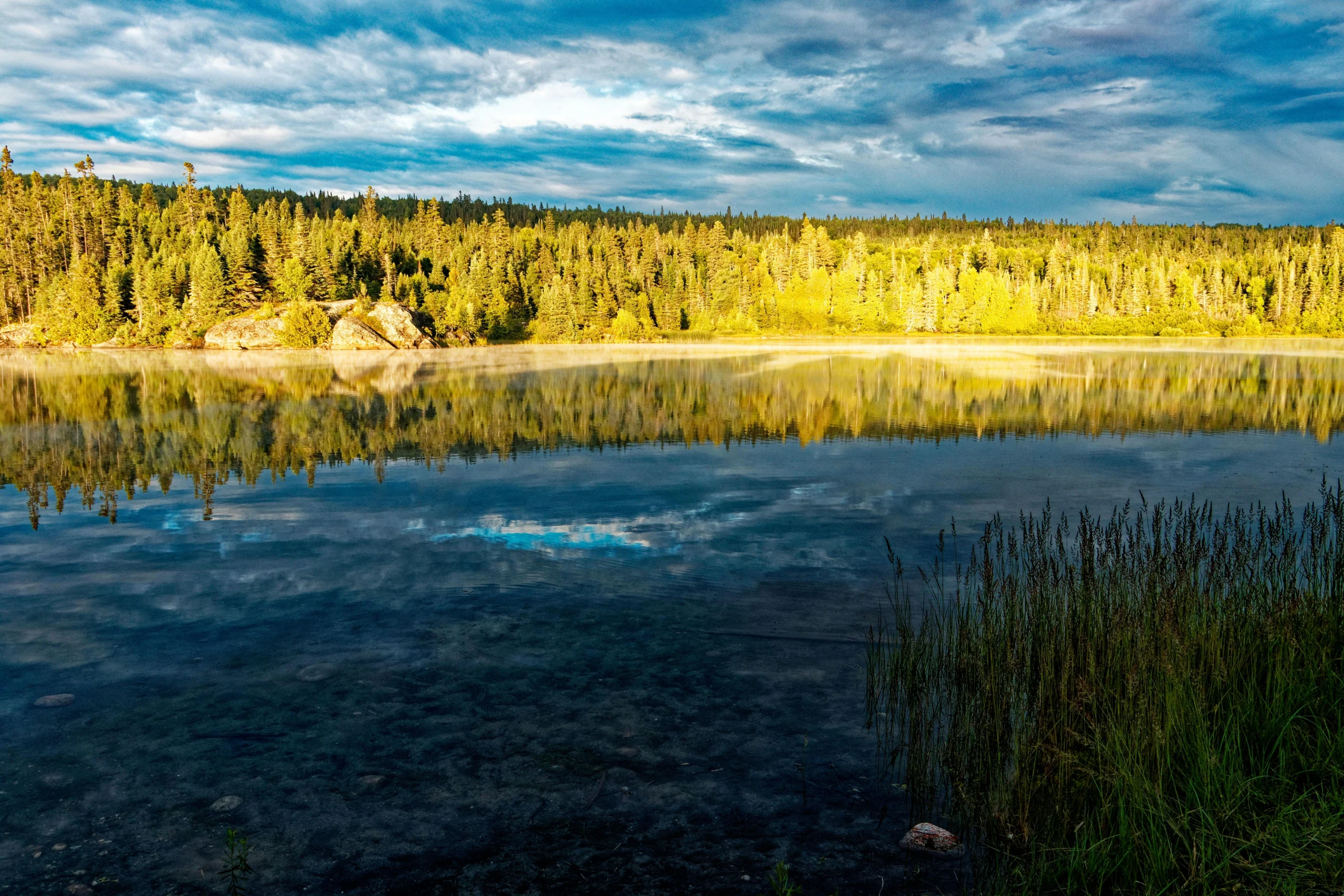
How Forests Shape Nature, Seasons, and Travel Across Canada
Nature specialists often explain that forests do more than provide visual beauty. They support habitats, influence water systems, affect seasonal color, and create many of the settings people associate with nature in Canada. Understanding forests in Canada helps readers connect scenery with ecology and regional character at the same time.
Why Forests in Canada Matter So Much to the Landscape
Forests cover a large share of the country’s natural environment and help shape how many regions look and function. Tree cover can influence light, sound, shelter, and the feeling of space in ways that open land does not. A forested region often feels calmer, denser, and more enclosed than an open prairie or exposed coastline.
Landscape researchers often note that forests help organize the visual structure of many parts of Canada. Lakes, rivers, trails, and roads frequently move through wooded settings, which means forest scenery becomes part of daily movement as well as outdoor recreation. This is one reason Canada forest landscapes remain central to both travel and nature writing.
Forests Support Wildlife in Visible and Hidden Ways
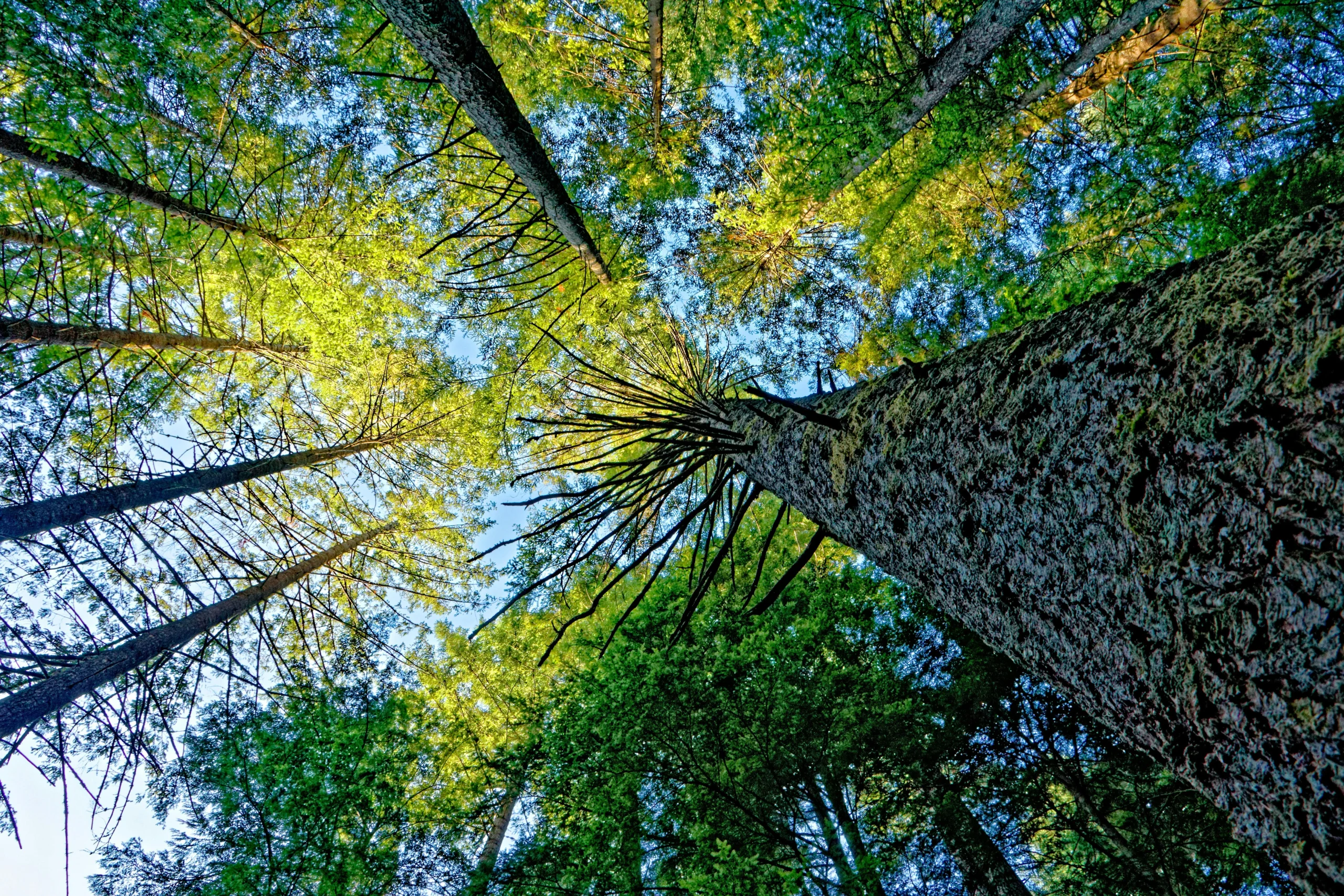
One of the most important roles of forests in Canada is habitat support. Birds, mammals, insects, and plant communities all depend on wooded areas for food, nesting, shelter, and movement. Even when wildlife is not easy to see, forest environments are often full of activity that shapes the wider ecosystem.
Wildlife researchers often explain that forests provide both visible and hidden support. Some animals are easy to notice on the edge of a trail or near a clearing, while others stay deeper within cover. This makes forests essential to understanding nature in Canada beyond what appears immediately in a scenic photograph.
Credit: Timm Stein / Pexels
Seasonal Change Is Often Most Noticeable in Forests
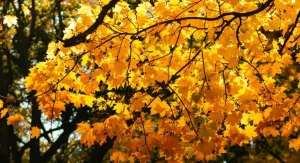
Seasonal forests in Canada can look dramatically different through the year. Spring brings new growth and changing light, summer creates dense green cover, fall introduces strong color, and winter reveals a quieter structure shaped by snow and bare branches in many regions. This makes forests one of the clearest ways to see time passing in the landscape.
Nature educators often recommend forests as places where seasonal change becomes easy to observe. The same trail or viewpoint can feel almost like a different place from one season to another. This helps readers understand why forests in Canada matter not just as scenery, but as living seasonal systems.
Forest Settings Change the Feel of Travel
Travel through forested areas often feels different from travel through open country. Roads may feel more enclosed, trails may offer more shade, and scenic stops may feel quieter or more sheltered. Forests can create a stronger sense of immersion because they surround the route instead of appearing only in the distance.
Travel writers often point out that wooded routes encourage a slower and more attentive pace. Light changes through the trees, sound becomes softer, and small details begin to matter more. In this way, forests in Canada help shape the emotional tone of many travel experiences.
Forests Also Influence Water, Trails, and Public Outdoor Space
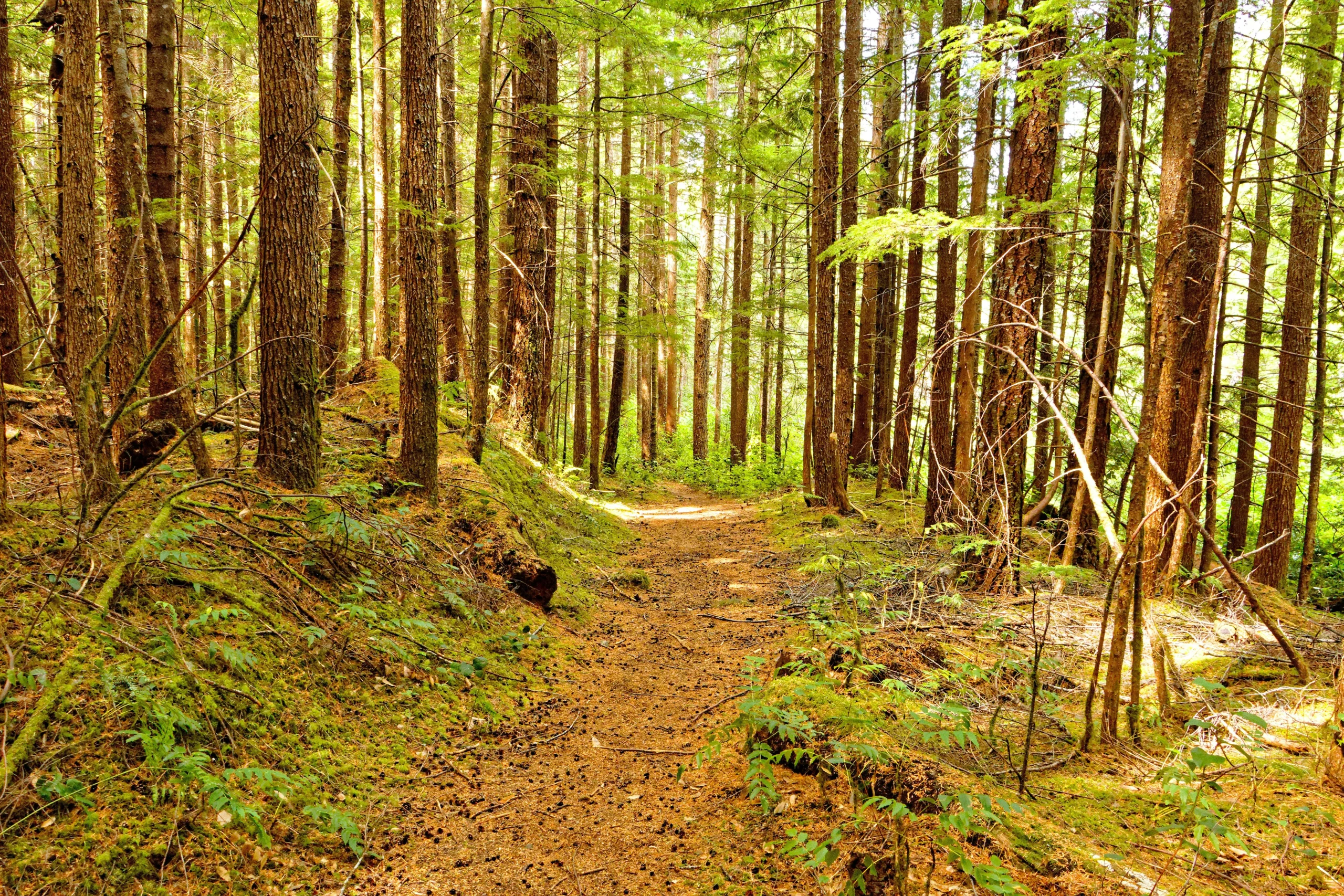
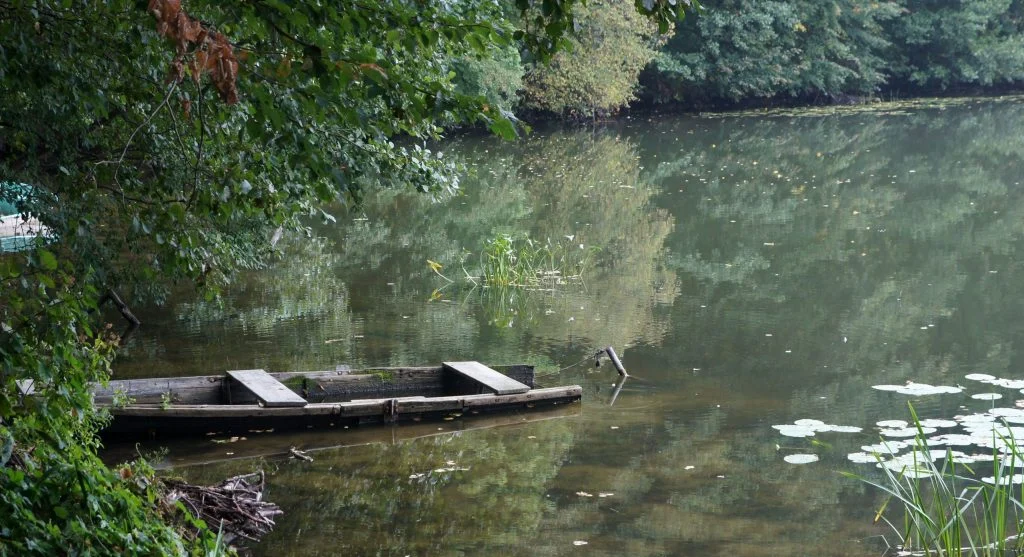
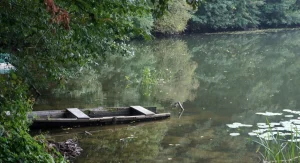
Forests are often closely tied to lakes, rivers, wetlands, and public recreation areas. Trails may move through wooded corridors, and park spaces often depend on tree cover for comfort and habitat value. Even when visitors are focused on a lake or viewpoint, nearby forest usually helps shape the overall experience.
Outdoor planners often explain that forests create balance in many natural settings. They provide shade, structure, and a feeling of enclosure that changes how a place is used. This is one reason forests in Canada connect so naturally to outdoor life and regional travel.
Credit: Timm Stein / Pexels
Different Regions Show Different Forest Character
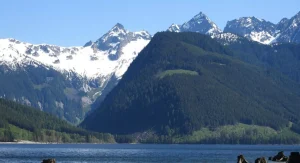
Not all forests in Canada feel the same. Some regions are marked by dense evergreen cover, while others mix open woodland, seasonal leaf change, or forest edges shaped by water and terrain. Regional climate and geography affect how forests grow and how people experience them.
Regional nature observers often explain that this variation matters because it changes both visual identity and travel atmosphere. A forested route in one province may feel very different from a wooded landscape elsewhere. This helps readers understand Canada forest landscapes as diverse rather than uniform.
Why Forests Remain Central to Canada’s Natural Identity
For many readers, forests are one of the most familiar symbols of nature in Canada. They appear in national parks, local trails, road trips, wildlife habitats, and seasonal photo scenes. Yet their importance is deeper than image alone.
Forests in Canada matter because they connect ecology, seasons, outdoor life, and landscape character in one setting. They influence how the country looks and how it is experienced day to day. This makes them one of the most important natural subjects for understanding the country as a whole.
Frequently Asked Questions
Q: Why are forests in Canada so important?
A: They support wildlife, shape landscapes, influence seasonal change, and play a major role in outdoor travel and public nature spaces.
Q: Do forests in Canada look the same in every region?
A: No. Forest character changes by climate, geography, tree type, and the surrounding landscape.
Q: Why are forests useful for understanding seasons?
A: Forests show visible changes in growth, light, color, and snow cover, making seasonal shifts easier to notice.
Q: How do forests affect travel in Canada?
A: They shape the mood of roads, trails, parks, and scenic stops by creating shelter, immersion, and a strong sense of place.
Key Takeaway
Forests in Canada shape wildlife habitat, seasonal change, travel atmosphere, and the wider structure of many natural regions. They influence how landscapes look and how people experience trails, parks, and scenic routes. Their character also varies by region, which makes them even more useful for understanding nature in Canada. Forests in Canada matter because they connect ecology, scenery, and everyday outdoor experience in one powerful setting.






Post Comment