How Open Landscapes Change the Way People Experience Nature in Canada
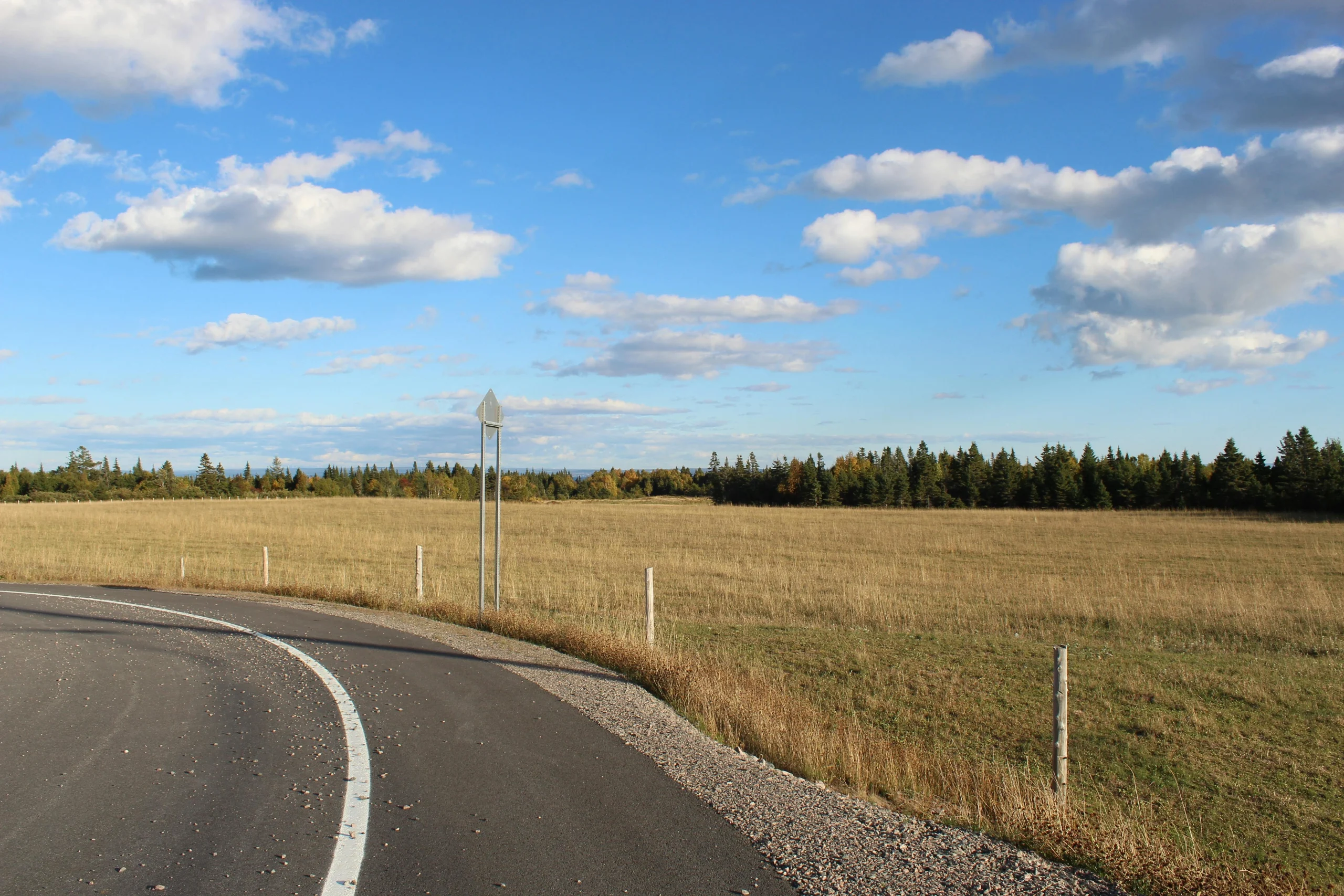
Landscape specialists often explain that open environments shape perception in direct ways. People may notice light more clearly, feel wind more strongly, and understand distance differently when the land is not broken by heavy tree cover or urban structure. That is why open landscapes in Canada are an important part of the country’s natural identity.
Why Open Landscapes in Canada Feel So Distinct
Open land feels distinct because it removes many of the visual boundaries people usually rely on. The eye can travel farther, the horizon becomes more important, and weather patterns often appear more dramatic. This gives the landscape a sense of scale that can feel both calm and powerful at the same time.
Geographers often note that openness is not emptiness. It is a different kind of visual structure. In wide landscapes, the relationship between sky, land, and light becomes the main feature. This helps explain why Canadian scenery can feel so varied from one region to another.
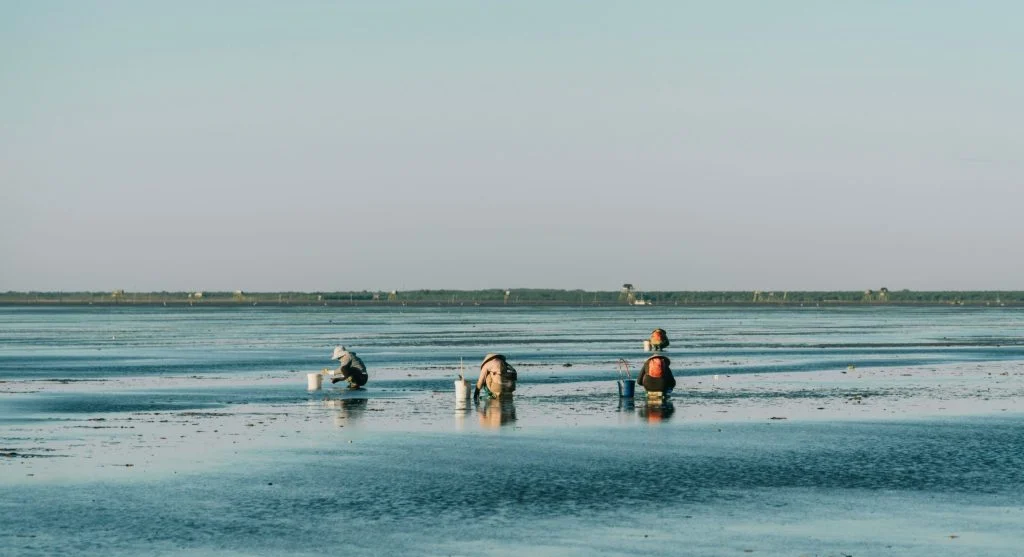
Wide Views Change the Pace of Outdoor Experience
One major effect of open landscapes in Canada is that they can slow the way people experience a place. In a dense environment, attention often moves from one nearby detail to another. In a wide landscape, people may pause longer and take in the whole scene at once.
Nature writers often explain that open settings encourage a different type of observation. Instead of focusing only on what is close, the viewer becomes aware of distance, weather movement, and gradual changes across the land. This creates a broader way of seeing nature in Canada.
Credit: Luke Miller / Pexels
Weather Becomes More Visible in Open Natural Areas
In open environments, weather often feels more present. Cloud movement, changing light, wind direction, and approaching rain can all become easier to notice when the land is unobstructed. This can make the landscape feel more active even when the ground itself appears still.
Outdoor educators often point out that wide landscapes teach people to read conditions more carefully. A clear horizon may show changes coming before they are felt. This makes open landscapes in Canada important not only for scenery, but also for understanding how natural conditions move across a place.
Seasonal Change Often Stands Out in Simple, Visible Ways
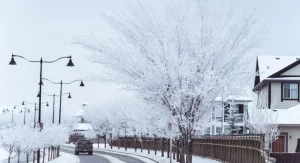
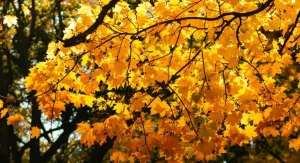
Seasonal change can be especially striking in open landscapes because there is less visual clutter competing for attention. Spring growth, summer light, fall color shifts, and winter snow cover may all change the entire character of the land very clearly. Even small seasonal differences can seem large when the view stretches far.
Seasonal observers often explain that openness makes change easier to read. The sky, ground color, and plant cover all become part of a single broad image. This is one reason wide landscapes in Canada can feel strongly tied to the calendar and the weather.
Travel Through Open Landscapes Feels Different Too
Travel across open land often feels different from travel through forest or mountain corridors. Roads may seem longer, the horizon may stay visible for much of the route, and scenic change can feel gradual instead of sudden. This creates a travel experience that often feels more reflective and spacious.
Travel planners often note that some readers respond strongly to this sense of openness. A road through broad country may feel less dramatic than a mountain pass, but it can still leave a lasting impression because of its scale and quiet. Open landscapes in Canada often shape travel mood as much as destination choice does.
Credit: Gaurav Singh / Pexels
Open Landscapes Can Reveal a Different Side of Nature
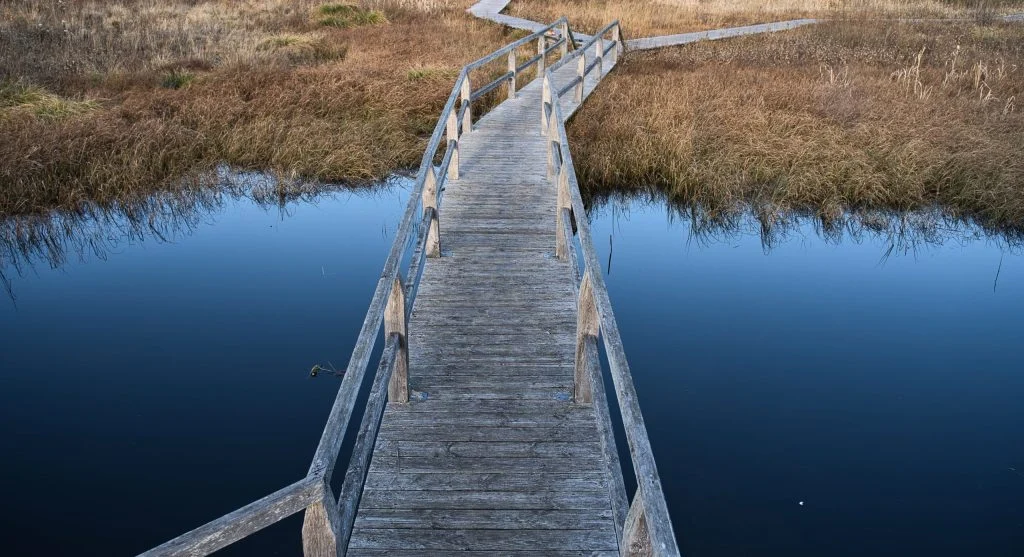
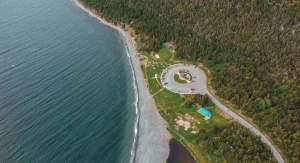
People sometimes think of nature mainly in terms of forests, lakes, or mountain trails, but open environments reveal another side of the natural world. Grasslands, plains, exposed hills, shorelines, and wide valleys all show that nature does not need dense cover to feel meaningful. Space itself becomes part of the experience.
Nature specialists often explain that these places help broaden public understanding of what counts as memorable scenery. A strong sense of air, distance, and light can be just as important as dramatic landforms. This makes open landscapes in Canada valuable for both travel and environmental awareness.
Why These Landscapes Matter to Canada’s Identity
Canada is often imagined through forests, lakes, and mountains, but open land is also part of the country’s visual and regional character. In some provinces and regions, broad space is one of the defining features of place. It shapes travel, weather awareness, and the way communities relate to the land around them.
That is why open landscapes in Canada deserve more attention in nature writing. They show how scale, visibility, and atmosphere can shape outdoor experience just as much as dense or dramatic terrain can. For readers, they offer another important way to understand the country’s natural variety.
Frequently Asked Questions
Q: What makes open landscapes in Canada different from forested areas?
A: Open landscapes offer longer views, more visible weather, broader light, and a stronger sense of space and horizon.
Q: Why do open landscapes feel so large?
A: They reduce visual barriers, which makes sky, distance, and landform more noticeable at the same time.
Q: Do open landscapes change travel experience?
A: Yes. They often make travel feel calmer, more spacious, and more focused on long-distance scenery rather than enclosed routes.
Q: Are open natural areas important for understanding Canada?
A: Yes. They reveal a major part of the country’s regional and scenic identity that can look very different from forests or mountains.
Key Takeaway
Open landscapes in Canada shape outdoor experience through space, light, weather visibility, and long natural views. They change how people travel, how seasonal change is noticed, and how nature feels on the ground. These environments show that broad, exposed land can be just as memorable as forests or mountains. Open landscapes in Canada matter because they reveal another major part of the country’s natural character.

Post Comment