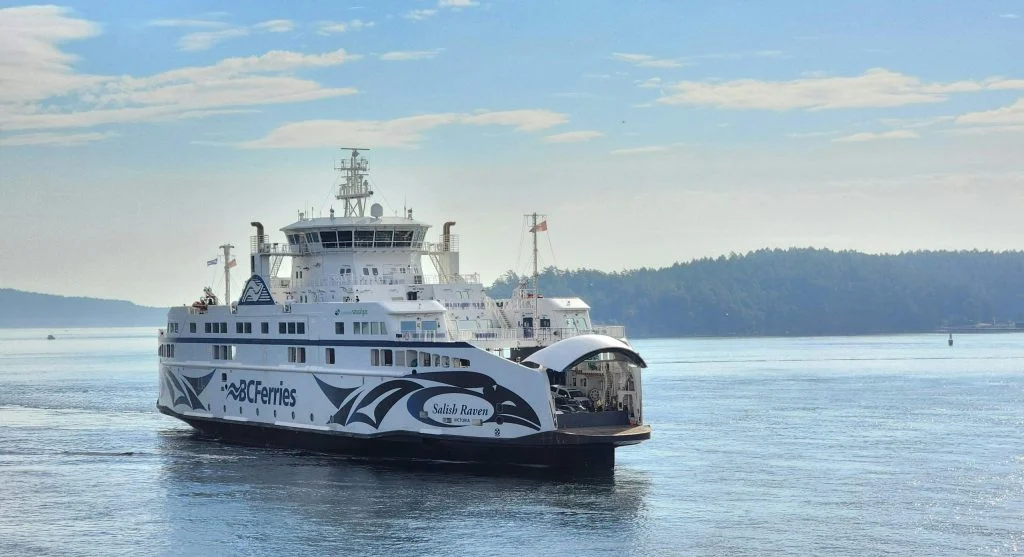
How Ferry Travel Can Change the Way People Experience Regional Trips in Canada
Travel observers often explain that ferry crossings are not simply practical transport links. They can also act as travel moments that reset the pace of the day. A crossing may separate one local rhythm from another and make the traveler feel that they are truly entering a different place. That is why ferry travel in Canada is a strong subject for regional travel writing.
Why Ferry Travel in Canada Feels Different From Ordinary Road Travel
Road trips usually keep people in continuous motion, but ferry travel interrupts that pattern in a useful way. The vehicle stops moving, people step out of driving mode, and the landscape becomes something to watch instead of something to pass quickly. This pause can make the journey feel more balanced and more memorable.
Travel planners often note that good trips are shaped by changes in rhythm. A ferry does this naturally. It inserts a shared public crossing into the route and turns travel time into visible experience. This is one reason ferry travel in Canada often feels more distinct than a simple highway connection.
Water Changes the Mood of a Regional Trip
One of the strongest effects of a ferry crossing is the way water changes travel atmosphere. Open shoreline, distant landforms, harbor edges, and changing light can all influence how a route feels. Even a short crossing can make a trip feel broader and more scenic than the same distance covered only by road.
Landscape writers often explain that water creates both openness and orientation. It gives the traveler a clear sense of crossing from one side to another. This can make scenic travel in Canada feel more dramatic without needing a long or difficult route. The shift in mood often becomes one of the most memorable parts of the day.
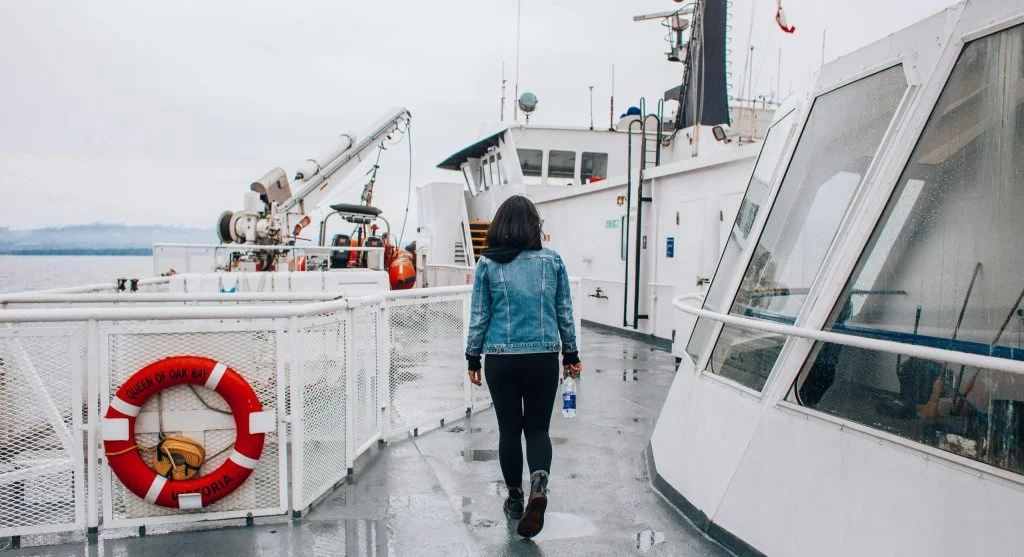
Ferry Crossings Often Help Travelers Notice Place More Clearly
A ferry crossing can make regional change easier to feel. The traveler is not only arriving somewhere new. The traveler is watching the arrival happen in real time. Town edges, small ports, island communities, or coastal land can become more meaningful when they appear gradually across the water.
Regional travel specialists often explain that this kind of arrival can deepen a person’s connection to the destination. Instead of entering quickly and almost by accident, the place becomes visible step by step. That makes ferry travel in Canada especially useful for trips where local atmosphere matters as much as the destination itself.
Public Travel Spaces Can Add Character to the Route
Ferries are also shared public spaces, and that matters. Waiting areas, vehicle lines, open decks, seating areas, and short conversations all become part of the trip’s social texture. A crossing may feel communal in a way that private road travel often does not.
Cultural travel observers often note that these shared travel spaces reveal something about the route and the region. People are not only passing through. They are pausing together, waiting together, and watching the same landscape. This can make regional trips in Canada feel more grounded in public life and less isolated.
Ferry Travel Often Works Well for Slower Regional Planning
Trips built around ferries often encourage a more realistic pace. Crossing times, arrival windows, and shoreline connections naturally limit how much travelers try to pack into one day. That can be a good thing. It often creates a calmer trip with fewer rushed decisions and more time to notice the setting.
Travel planners often explain that limits can improve travel rather than weaken it. A route that includes a ferry may force the day into better structure. This can support comfort, local stops, and stronger pacing. That is one reason Canada travel planning often benefits from routes that include meaningful pauses rather than constant motion.
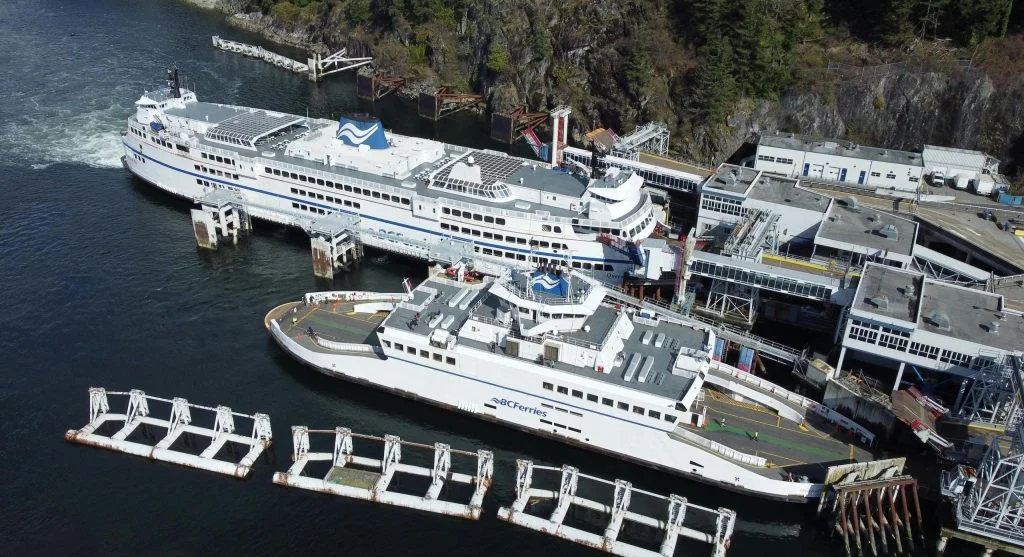
Weather and Season Can Make the Crossing Feel Different Each Time
Another reason ferry travel stands out is that the experience changes with the season. Summer may bring broader views and longer daylight. Fall can create softer light and quieter crossings. Spring may make the water and shoreline feel fresh and active again. Even weather alone can shift the character of the crossing from calm and reflective to windy and dramatic.
Seasonal travel writers often explain that repeated routes can still feel new when the setting changes through the year. Ferry travel in Canada often shows this clearly because water, light, and sky are always part of the experience. That makes even familiar regional routes feel more alive.
Why Ferry Routes Often Stay in Memory
People often remember moments of transition more strongly than they expect. A ferry crossing creates exactly that kind of moment. It is not only departure and not only arrival. It is a visible in-between space where the traveler has time to look, wait, and feel the region changing around them.
That is why ferry travel in Canada often leaves such a lasting impression. It combines scenery, public movement, slower pace, and a stronger sense of entry into one experience. For readers interested in meaningful regional travel, ferries show how the route itself can become one of the best parts of the trip.
Frequently Asked Questions
Q: Why does ferry travel in Canada feel more memorable than some road routes?
A: It changes the pace, adds water scenery, and makes the traveler feel the transition between places more clearly.
Q: Does ferry travel improve regional trips?
A: In many cases, yes. It can improve pacing, strengthen local atmosphere, and make arrival feel more meaningful.
Q: Are ferry crossings only practical, or are they part of the trip too?
A: They are often both. A crossing may serve a practical need while also becoming one of the most scenic and memorable parts of the day.
Q: Does season change how ferry travel feels in Canada?
A: Yes. Light, weather, shoreline visibility, and public pace can all make the same crossing feel different across the year.
Key Takeaway
Ferry travel in Canada matters because it changes the way a regional trip feels through slower pace, shared public movement, and water-based scenery. A crossing can make a route more memorable by turning travel time into a visible transition between places. It often improves both atmosphere and pacing. Ferry travel in Canada shows that one of the best parts of a trip can be the crossing itself, not only the destination on either side.











Post Comment