How Tree-Lined Roads Shape Scenic Travel and Seasonal Beauty Across Canada
Why Tree-Lined Roads in Canada Feel So Distinct
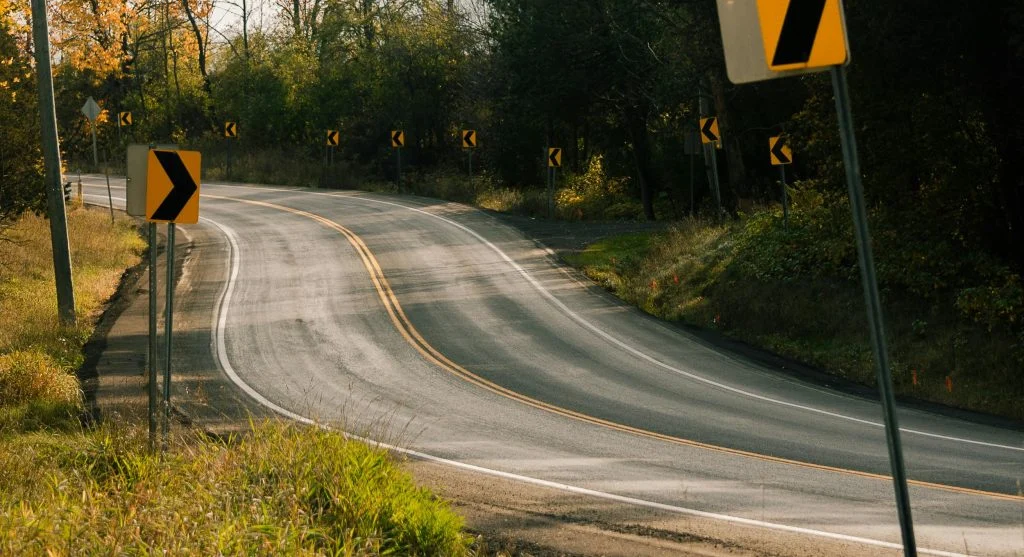
Tree-lined roads feel distinct because they create a visible corridor through the landscape. Instead of moving through open space without much structure, travelers move between rows of changing texture, shadow, and light. This gives the drive a stronger sense of shape and atmosphere.
Regional landscape writers often note that tree cover along roads can influence both mood and perception. A road may feel more intimate, more sheltered, or more scenic simply because the land is framed in a clearer way. This is one reason tree-lined roads in Canada often stay in memory more easily than less defined travel routes.
They Often Create a Stronger Sense of Seasonal Change
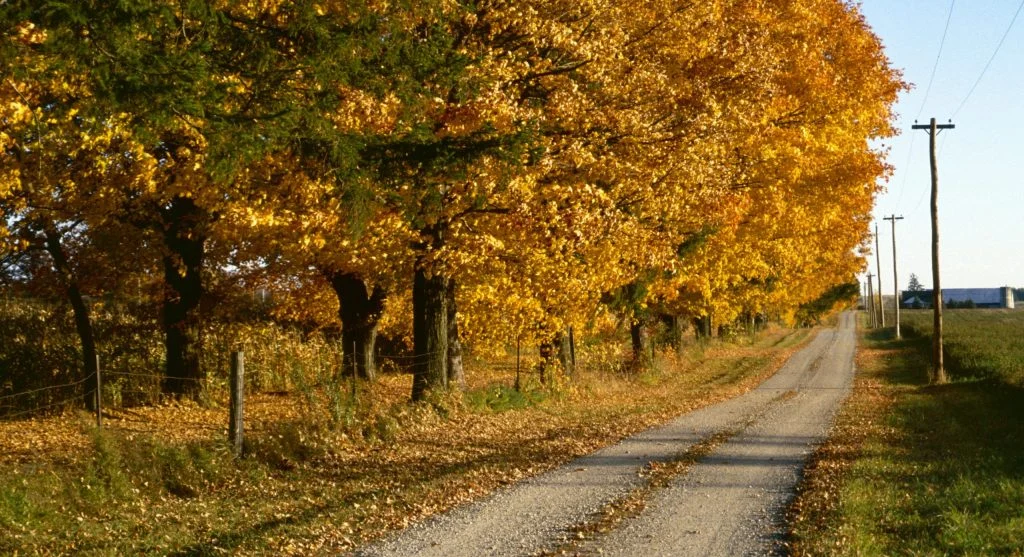
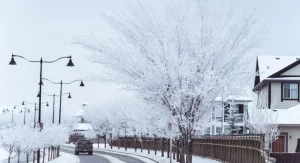
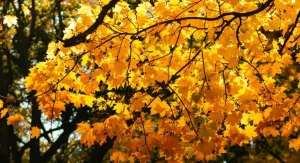
One of the clearest reasons tree-lined roads in Canada matter is that they make seasonal change visible in direct ways. Spring growth, summer fullness, fall color, and winter branches all transform the same road differently. A familiar route can feel almost new again when the trees around it shift with the season.
Seasonal observers often explain that roads bordered by trees work like long landscape calendars. They show the pace of the year through color, density, light, and ground texture. This makes seasonal roads in Canada especially useful for readers interested in how weather and time reshape ordinary travel.
Tree Cover Can Change the Mood of a Drive
A road framed by trees often feels different from one exposed to wide open land on all sides. Shade, filtered light, moving branches, and changing sound can all influence how the trip feels. In some places, the road may feel peaceful and enclosed. In others, it may feel dramatic as light opens and closes through the canopy.
Travel planners often note that scenic travel in Canada depends as much on atmosphere as on major viewpoints. A road does not need a large mountain or lake to feel memorable. A simpler route can still feel rich if the movement through the land is visually strong. Tree-lined roads often create exactly that kind of experience.
These Roads Often Connect Travel and Nature More Clearly
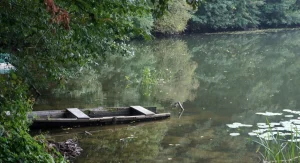
Many travelers think of nature as something found only at the destination, but roads themselves can also become part of the natural experience. A tree-lined route can help travelers feel that they are moving through a living landscape rather than across a blank transport space. This can deepen the connection between journey and place.
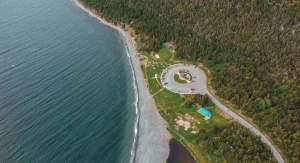
Nature writers often explain that transition spaces matter because they shape how destinations are approached and remembered. Tree-lined roads in Canada often serve that role well. They link towns, parks, valleys, and waterfront regions in ways that make the trip feel more continuous and more rooted in the land.
Regional Identity Can Appear Through the Roadside Landscape
Not every tree-lined road feels the same. Some may pass through forest-edge areas, others through farmland, historic routes, valley roads, or small-town approaches. The type of trees, the width of the road, the surrounding land, and the local weather all influence how the route feels. That variation helps reveal regional identity.
Regional analysts often note that landscape character is easiest to feel when it repeats over a route rather than appearing only in one short stop. Tree-lined roads in Canada can do this naturally. They show how a region wants to be entered, crossed, and remembered through recurring visual patterns.
They Can Also Improve Travel Pace Without Changing the Distance
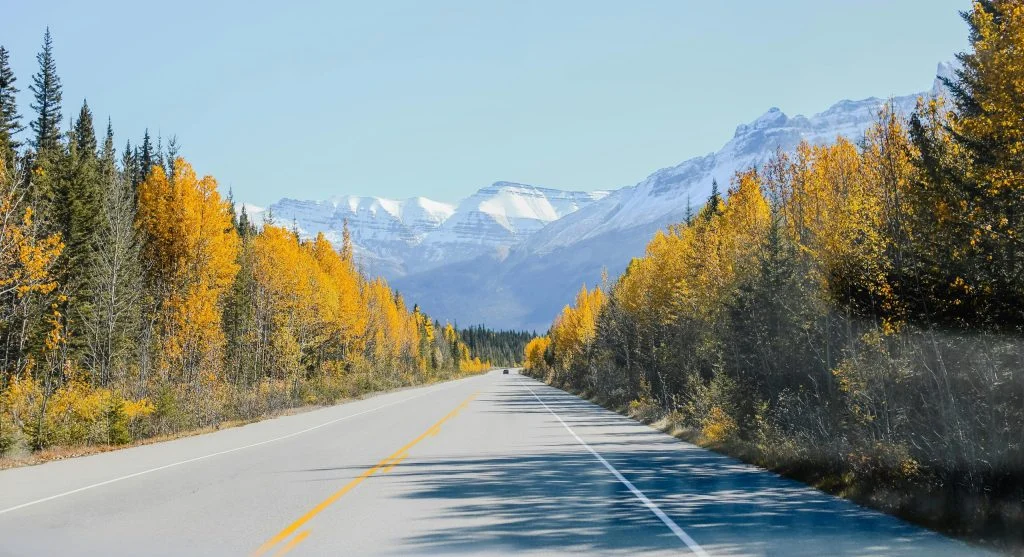
A route does not need to become shorter to feel more comfortable. Sometimes it only needs to feel more interesting. Tree-lined roads often improve the sense of pace because they provide visual variety and reduce the feeling of empty distance. This can make even a moderate regional drive feel easier to enjoy.
Travel specialists often explain that scenic quality can change how long a road seems to feel. A better-framed route often holds attention more gently than a bare or repetitive one. This is one reason tree-lined roads in Canada often work well in slower regional travel planning.
Why These Roads Deserve More Attention in Canada Coverage
Travel writing often focuses on major routes, large landscapes, or final destinations, but smaller visual details also matter. Tree-lined roads show how ordinary movement through a region can still feel meaningful and scenic. They help connect nature, season, and travel in a format readers understand immediately.
That is why tree-lined roads in Canada deserve more editorial attention. They reveal how natural framing, seasonal color, and local landscape character can shape a trip even before the traveler reaches the main stop. For a Canada-focused publication, they offer a fresh and non-repetitive way to cover scenic regional life.
Frequently Asked Questions
Q: Why are tree-lined roads in Canada so memorable?
A: They frame the landscape, highlight seasonal change, and make travel feel more scenic and connected to the region.
Q: Do tree-lined roads matter even without major attractions nearby?
A: Yes. The road itself can become part of the travel experience through atmosphere, shade, color, and visual rhythm.
Q: How do tree-lined roads show seasonal change?
A: They make changes in color, light, leaf cover, and branch texture easy to notice across the year.
Q: Can tree-lined roads reflect regional identity too?
A: Yes. The kinds of trees, surrounding land, and overall road character can help show what makes one area feel different from another.
Key Takeaway
Tree-lined roads in Canada matter because they turn ordinary travel into a more scenic and seasonal experience. They frame the landscape, reveal regional character, and make the route itself feel connected to nature. Even without a major attraction nearby, these roads can shape how a trip is remembered. Tree-lined roads in Canada show that some of the best travel atmosphere comes from the way a region is entered and crossed, not only from where the journey ends.



Post Comment