
How Community Suppers and Shared Meals Still Shape Local Life Across Canada
Cultural observers often explain that shared meals matter because food becomes more meaningful when it is organized around gathering rather than only individual routine. A community supper may reflect generosity, tradition, practicality, and social memory all at once. Understanding community suppers in Canada helps readers see how food can still shape public life in direct and lasting ways.
Why Community Suppers in Canada Still Matter
Community suppers matter because they turn food into shared public life. Instead of people eating separately or moving through a fast food setting, they gather in one place and follow a common rhythm. This can make the event feel more rooted in local identity than a private meal or ordinary restaurant visit.
Regional researchers often note that community traditions remain strongest when they are repeated through familiar local spaces. A hall, school, church basement, small town center, or seasonal outdoor setup may all become part of the meaning of the meal. This is one reason community suppers in Canada remain important in both cultural and regional writing.
Shared Meals Often Reflect Local Values Clearly
One of the clearest things a community supper reveals is what a place values in public life. The meal may emphasize generosity, practicality, comfort, tradition, or seasonal abundance. The structure of the event can also show whether the community values informality, familiarity, or broad participation.
Food culture researchers often explain that shared food events are useful because they reveal how people want to be together, not only what they want to eat. A meal becomes a social pattern as much as a menu. This makes shared meals in Canada especially valuable for understanding community culture in a grounded way.

Season Often Plays a Strong Role in These Gatherings
Community suppers in Canada often feel closely tied to the season. Some may be linked to harvest time, colder months, local celebrations, or periods when communities naturally gather more often. Seasonal timing can affect both the menu and the emotional tone of the meal.
Seasonal observers often note that food traditions become stronger when they return at recognizable times of year. The season helps frame the event and makes it feel familiar before the meal even begins. This is one reason community suppers in Canada often carry more meaning than a meal without that shared timing.
Local Food Identity Can Appear in a Practical Way
A shared meal can also reveal what kinds of food feel familiar, dependable, and worth preparing for a group. The dishes may not always be famous outside the community, but they often reflect local preference more clearly than highly promoted food writing does. A community supper usually shows food that works in real life, not only food that photographs well.
Food historians often explain that everyday cultural identity is often strongest in practical dishes prepared for many people. These foods reveal what communities trust, repeat, and value enough to share publicly. This makes community suppers in Canada a strong subject for understanding local food identity beyond formal restaurant culture.
These Gatherings Can Strengthen Small Public Spaces
A community supper does more than fill plates. It can also give meaning to the space where it happens. A hall, school room, outdoor shelter, or local center may become a stronger public place because the meal turns it into a visible site of gathering and memory.
Urban and regional observers often explain that public space becomes more meaningful when it holds repeated social events that people remember. A shared meal can do this in a very direct way. It turns an ordinary room or local site into something associated with welcome, routine, and connection.
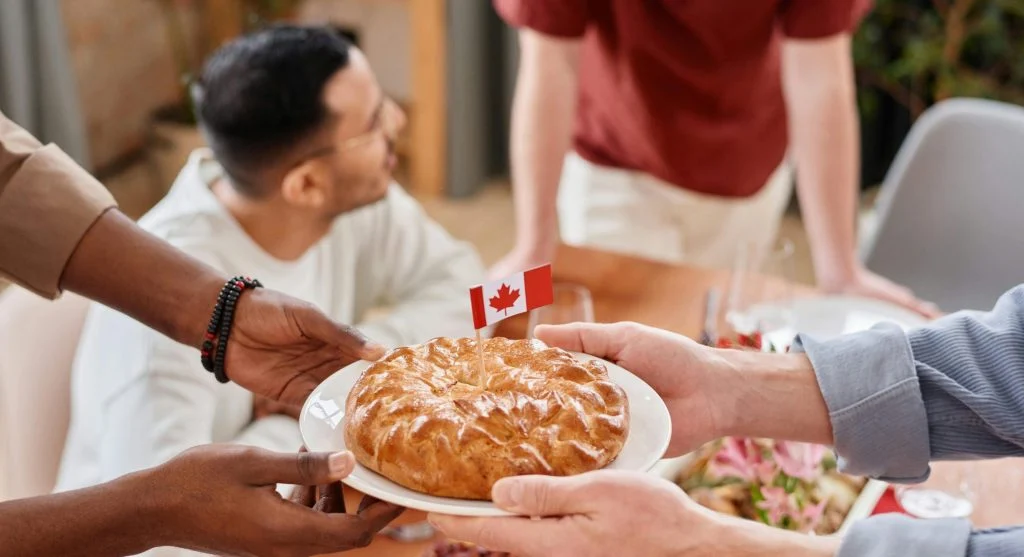
Community Suppers Often Reveal a Different Pace of Life
In a fast-moving culture, a shared meal can reveal another kind of public rhythm. People arrive, serve food, sit together, and stay in the same place longer than they might during ordinary public routine. That slower pace can make the gathering feel more memorable and more rooted in local life.
Cultural writers often note that pace is one of the strongest clues to how a community works. A meal that encourages people to remain present and visible together shows something important about local social life. This is one reason community suppers in Canada still feel meaningful even when many other routines have changed.
Why Readers Learn So Much From Shared Meal Traditions
Readers often understand a place more clearly through repeated social rituals than through broad descriptions. A community supper connects food, season, public space, and local identity in one easily understood event. It offers a practical way to see how community life continues through ordinary but meaningful gathering.
That is why community suppers in Canada make a strong editorial subject. They offer a fresh and non-repetitive way to write about food and culture while staying grounded in public life. For a Canada-focused publication, they help show how shared meals still shape regional identity in real and visible ways.
Frequently Asked Questions
Q: Why are community suppers in Canada culturally important?
A: They bring together food, local tradition, shared space, and social routine in a way that makes community identity visible.
Q: Do community suppers reflect local food culture?
A: Yes. The dishes served often reveal what foods feel familiar, practical, and meaningful enough to share publicly.
Q: Why does season matter for community suppers?
A: Seasonal timing often adds familiarity and emotional meaning, helping the meal feel connected to a larger local rhythm.
Q: Are community suppers only important in small towns?
A: No. They may be especially visible in smaller communities, but shared meal traditions can matter anywhere local gathering remains important.
Key Takeaway
Community suppers in Canada matter because they connect food, shared space, local values, and seasonal rhythm in one visible tradition. They reveal how communities gather, what foods feel meaningful, and how public life can still be shaped by simple shared rituals. That makes them a fresh and distinct topic within food and culture coverage. Community suppers in Canada show that one shared meal can still say a great deal about how a place lives together.














Post Comment