How Misty Mornings Change the Feel of Natural Landscapes Across Canada
Why Misty Mornings in Canada Feel So Different
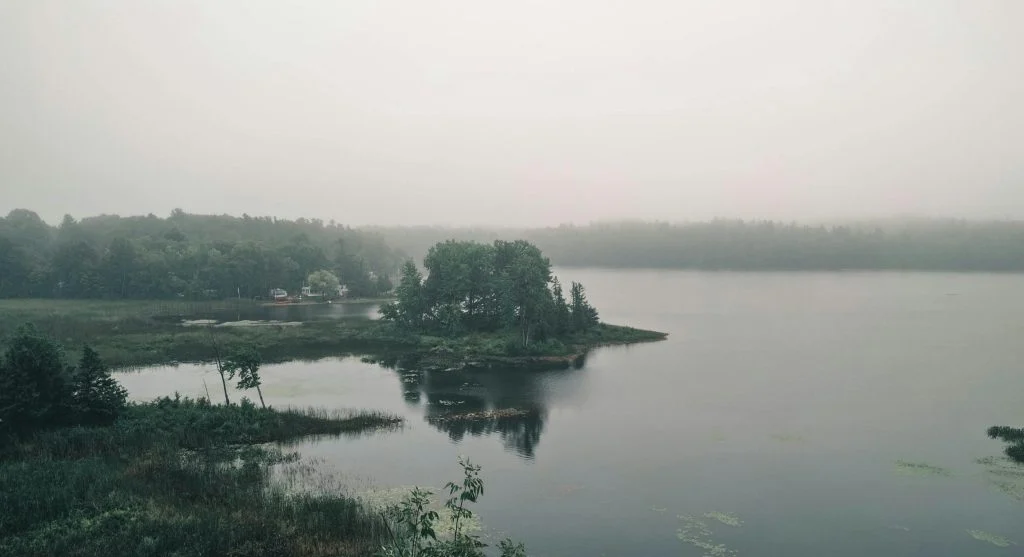
Misty mornings feel different because they soften the boundaries of the landscape. Trees may appear less sharp, water may seem calmer, and distance may feel partly hidden. This changes the visual rhythm of a place and often makes the landscape feel more layered than it does in clear daylight.
Landscape writers often note that reduced visibility can make a place feel more atmospheric rather than less interesting. When details are partly hidden, people often notice shape, tone, and mood more carefully. This is one reason misty mornings in Canada often stay in memory longer than clearer but more ordinary views.
Light Becomes Softer and More Even
One of the clearest effects of a misty morning is the way light changes. Bright contrast often becomes softer, and early sun may spread through the air rather than fall sharply onto the ground. This can make water, grasses, trees, and open sky feel gentler and more connected to one another.
Nature photographers and outdoor observers often explain that soft light changes how people read a landscape. Instead of focusing on sharp detail, they begin to notice texture, silhouette, and depth more slowly. This makes early morning landscapes in Canada especially powerful when mist becomes part of the scene.

Natural Sound Often Feels Quieter
Misty conditions can also change the emotional feel of a place by making it seem quieter. Water movement, distant birds, or even the sound of footsteps may feel more isolated and noticeable against the stillness. This can make a short stop or walk feel more immersive than usual.
Outdoor writers often explain that calm atmosphere is not only visual. It also depends on how sound is experienced. A misty morning in Canada can make a familiar place feel slower and more focused simply because the surroundings seem less busy and less exposed.
Water Landscapes Often Look Especially Strong in Mist
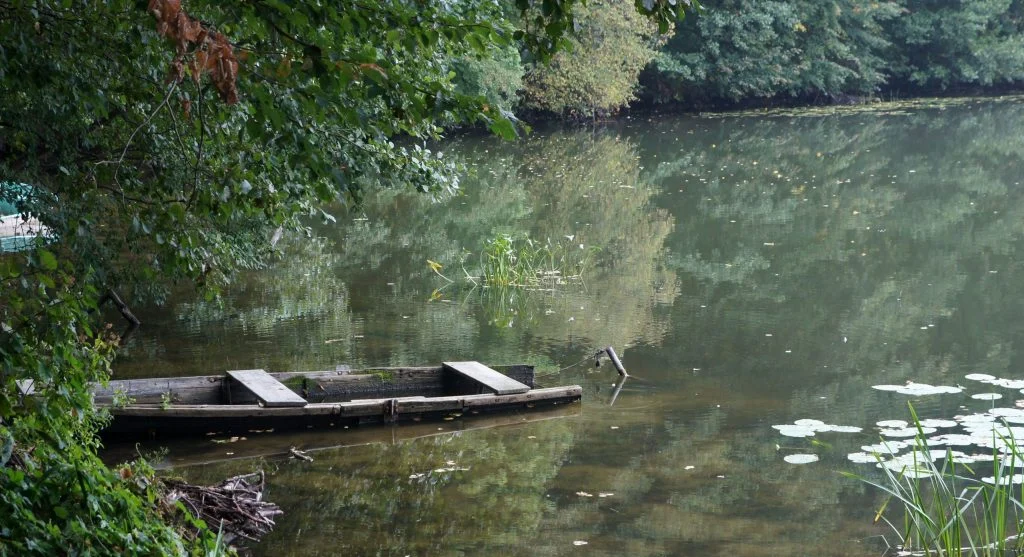
Mist is often most striking near lakes, rivers, marshes, and quiet shorelines. Water can hold and reflect the softened light while the mist partly hides the far edge. This can make the landscape feel wider in mood even if it looks narrower in view. A lake may seem more still, and a river may feel more hidden and calm.
Nature educators often note that water and mist work together because both encourage reflection and visual softness. Scenic natural atmosphere in Canada often feels strongest in the morning when water and air create the same quiet effect at once. That is one reason misty mornings near water often leave such a lasting impression.
Season Often Changes the Meaning of the Mist
The same misty scene can feel different depending on the season. In spring, mist may suggest thaw, return, and early growth. In summer, it may make the morning feel cool and brief before the day opens fully. In fall, mist often adds more stillness and deeper mood to the landscape. In each case, the effect is similar, but the emotional tone changes.
Seasonal observers often explain that atmosphere should be understood within the time of year. Mist does not mean the same thing in every season, even if it looks similar at first glance. This makes misty mornings in Canada useful for understanding how weather and season work together in natural places.
Mist Can Make Familiar Places Feel Newly Interesting
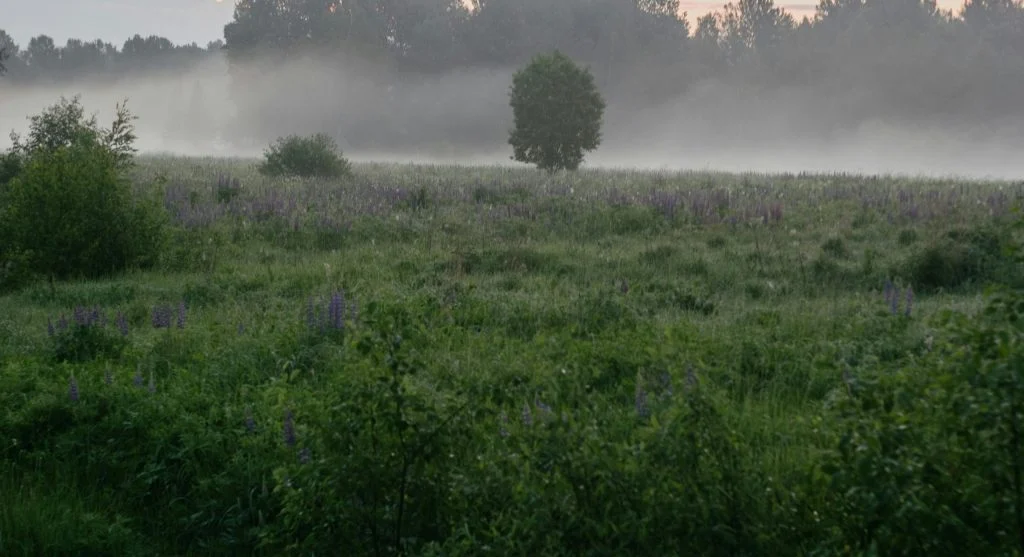
One reason mist is so memorable is that it changes places people may already know well. A common route, local park, roadside lake, or trail opening can suddenly feel unfamiliar in a positive way. This makes the landscape feel renewed without requiring a major destination or a dramatic natural event.
Travel and nature observers often note that some of the best outdoor moments come from atmospheric change rather than from travel distance. Misty mornings in Canada often prove that point. They show how a well-known place can feel fresh simply because the air and light have changed.
Why Misty Mornings Matter in Nature Writing
Nature writing often focuses on visible landforms, wildlife, and seasonal color, but atmosphere matters too. Mist changes mood, softness, and attention. It can turn a landscape from something readable at a glance into something that asks to be noticed more slowly.
That is why misty mornings in Canada deserve more attention. They offer a fresh and non-repetitive way to write about natural beauty through weather, light, and emotional tone rather than only through geography. For a Canada-focused publication, they help show how atmosphere can shape the experience of nature just as strongly as the land itself.
Frequently Asked Questions
Q: Why do misty mornings in Canada feel so memorable?
A: They soften the landscape, reduce visual sharpness, and create a quieter, more reflective natural atmosphere.
Q: Does mist change how light looks in nature?
A: Yes. Mist often makes light softer and more even, which changes how trees, water, and distance are seen.
Q: Are misty mornings especially strong near water?
A: Often yes. Lakes, rivers, and wetlands can make mist feel more visible and more atmospheric in the early day.
Q: Can mist make familiar places feel different?
A: Yes. Mist can change mood and visibility enough to make well-known landscapes feel new again.
Key Takeaway
Misty mornings in Canada matter because they transform natural landscapes through softer light, quieter atmosphere, and a stronger sense of mood. They can make water, forests, fields, and familiar routes feel more reflective and more memorable without changing the land itself. This gives readers a fresh way to understand nature through atmosphere rather than only through geography. Misty mornings in Canada show how weather can quietly reshape the whole emotional feel of a landscape.









Post Comment