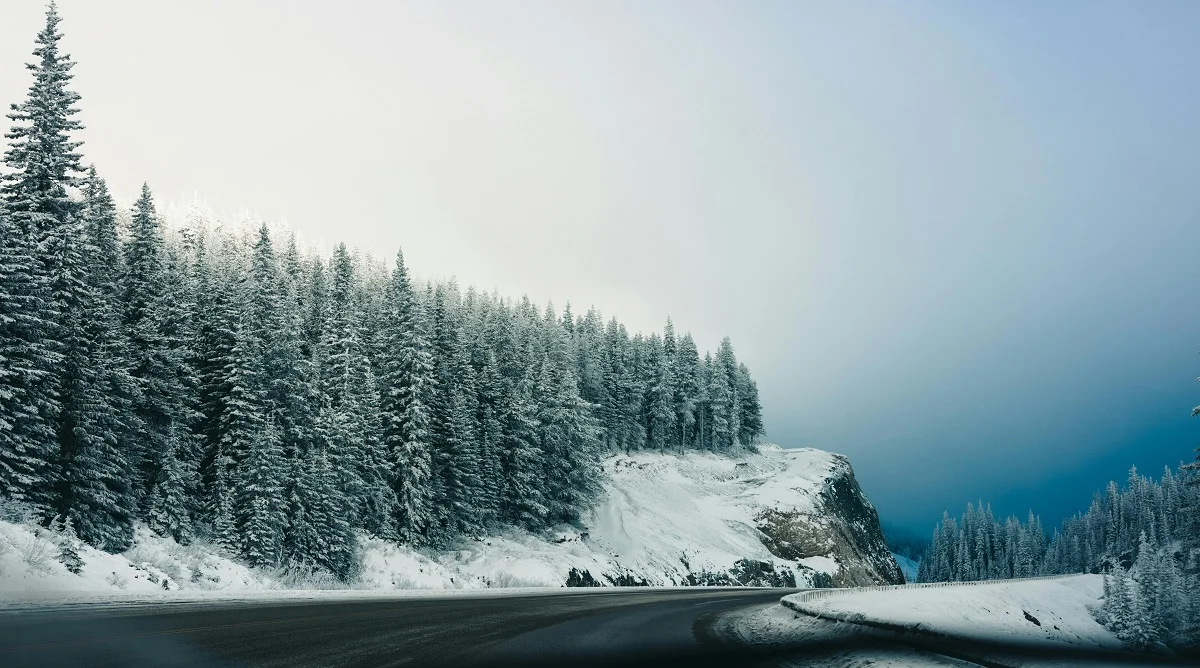
How Winter in Canada Changes Travel, Routine, and Outdoor Planning
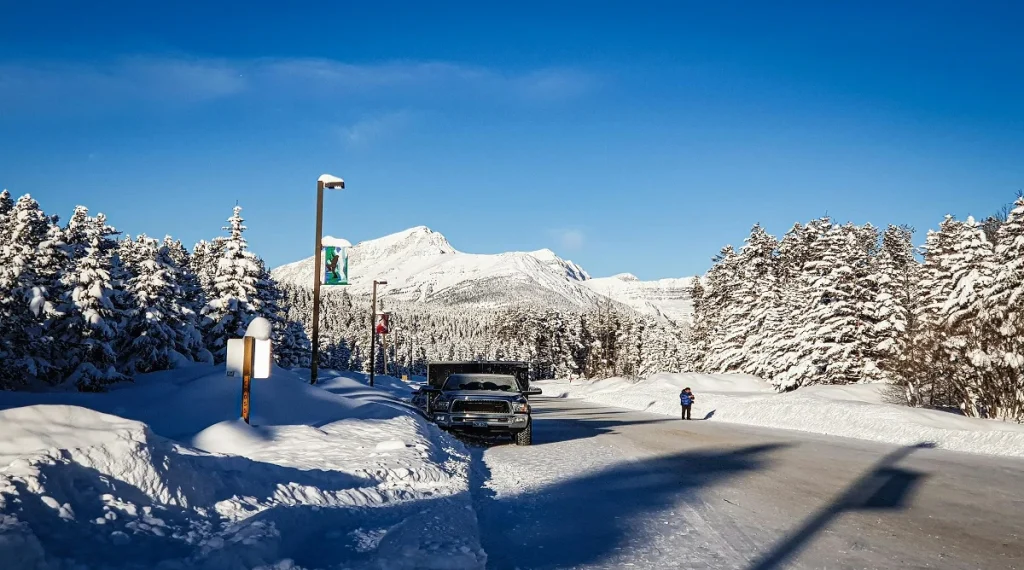
Daily Routine Changes With Snow, Ice, and Shorter Days
In winter, daily routines across Canada often become more structured. People may head out earlier, dress in layers, and check weather conditions more carefully before leaving home. Public spaces remain active, but moving through them usually requires more awareness of surfaces and conditions.
Urban observers often note that winter shifts the rhythm of the day. Shorter daylight hours influence when errands are done, how outdoor spaces are used, and when people prefer to travel. These changes are part of what makes winter in Canada feel so different from other seasons.
Outdoor Planning Needs More Than Just Warm Clothing
Spending time outdoors is still possible and often enjoyable in winter, but it takes more than just wearing a heavy coat. Layering, choosing the right route, timing activities, and staying aware of weather conditions all play a role. Even a short walk or park visit can feel very different depending on wind, snow, and ground conditions.
Outdoor safety educators often recommend planning not just for the start of a trip, but also for the return. Daylight fades earlier, and open areas can feel colder than expected. Good winter planning focuses on comfort, timing, and setting realistic expectations.
Winter Can Also Create a Strong Sense of Place
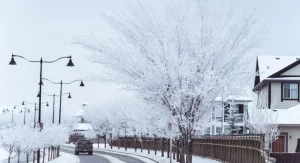
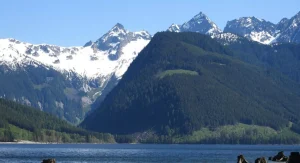
For many people, winter is one of the most defining features of Canada. Snow-covered streets, frozen lakes, quiet forests, and clear, cold mornings create a distinctive atmosphere. These elements make the season memorable, even though it requires more preparation.
Cultural observers often point out that winter carries both practical and symbolic meaning. It shapes daily habits, seasonal traditions, and how people think about comfort and resilience. This is one reason winter remains such a central theme in Canadian seasonal life.
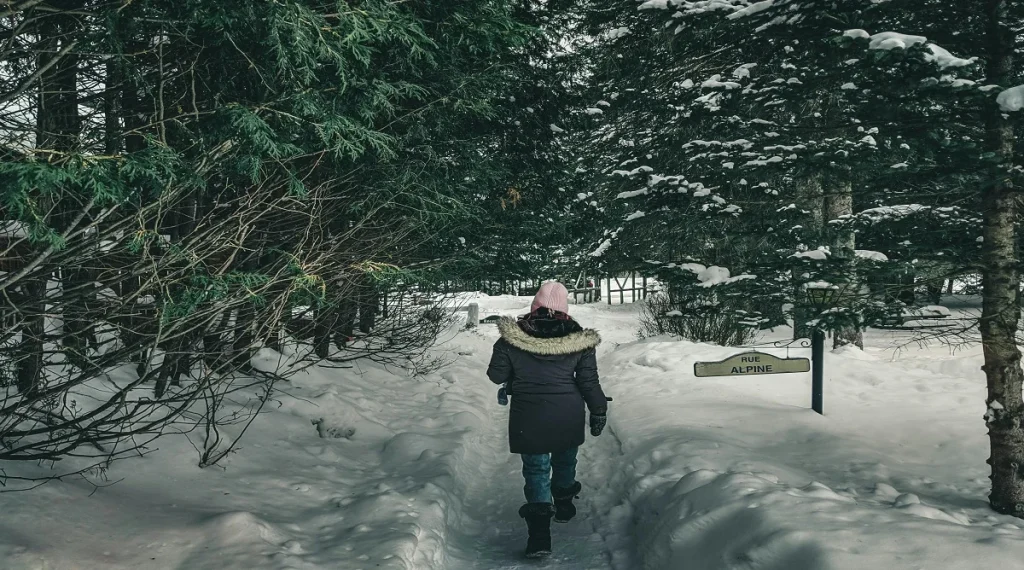
Different Regions Experience Winter in Different Ways
Winter does not look the same across all of Canada. Some areas experience deep snow and long cold periods, while others deal more with damp cold, ice, or shorter winters. These differences mean that both travel plans and daily routines should always consider the specific location.
Climate observers often emphasize that regional variation is one of the most important factors in winter planning. A single experience cannot represent the entire country. While winter is a shared season, local conditions shape how it is actually felt and managed.
Why Winter Rewards Simple, Practical Preparation
Winter in Canada is usually easiest to manage when preparation stays simple and consistent. Checking the forecast, allowing extra time, dressing in layers, and choosing realistic activities can prevent many common issues. Small, steady habits often matter more than complicated plans.
This is why daily life in winter often relies on routine preparation rather than major adjustments. People who treat winter as a condition to work with tend to move through it more comfortably. Whether traveling, going outdoors, or handling everyday tasks, simple planning makes the season much easier to manage.
Frequently Asked Questions
Q: Why does winter in Canada affect travel so much?
A: Snow, ice, visibility, and shorter daylight can all change travel timing and route conditions. Winter trips often need more flexibility than warm-weather plans.
Q: Is outdoor activity still possible during winter in Canada?
A: Yes. Many outdoor activities are still possible, but they require better timing, clothing, and awareness of changing conditions.
Q: Are Canadian winter conditions the same everywhere?
A: No. Winter varies by region, with differences in snowfall, ice, temperature, and how long the season lasts.
Q: What is the biggest mistake people make in winter planning?
A: A common mistake is planning as if winter were only about cold temperature. Timing, wind, surface conditions, and daylight matter too.
Key Takeaway
- How Canadian Seasons Change Travel, Nature, and Daily Life
- How to Dress for Changing Weather on Outdoor Trips in Canada
- What Fall in Canada Changes for Travel, Food, and Outdoor Life



Post Comment