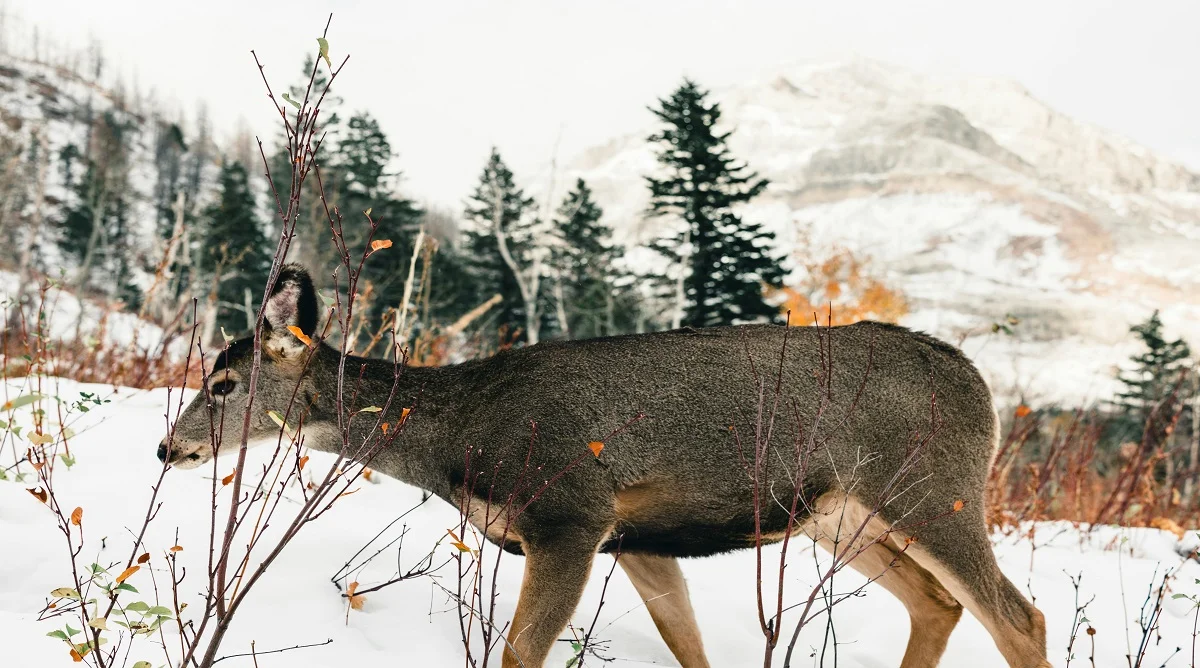
How Wildlife Seasons Change What People See in Nature Across Canada
Wildlife seasons in Canada shape how landscapes look and how animals behave throughout the year. A forest, lake, wetland, or grassland may seem quiet in one season and full of activity in another. This happens because wildlife follows seasonal patterns linked to food availability, weather, breeding cycles, shelter, and migration.
Nature educators often explain that many people expect wildlife to be visible year-round in the same way, but that’s rarely how it works. Animal movement changes with temperature, daylight, and habitat conditions. Understanding wildlife seasons in Canada helps explain what people see outdoors and why those changes occur.
Why Wildlife Seasons in Canada Shift So Much
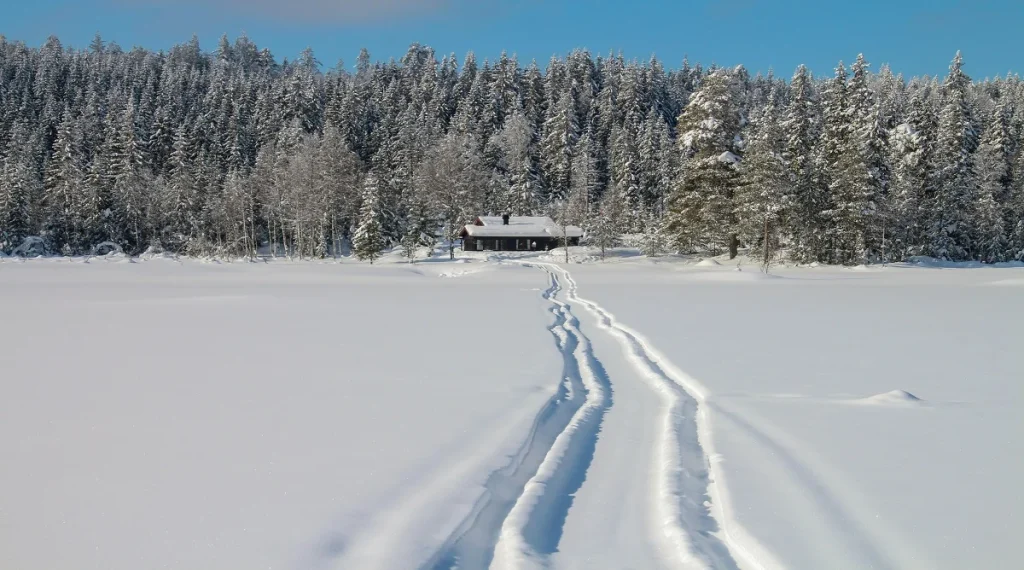
Canada spans a wide range of landscapes and climate zones, so wildlife activity changes significantly with the seasons. Winter often brings snow, frozen water, and lower temperatures, while spring and summer increase plant growth, insect activity, and available food. These environmental shifts directly influence how animals move, feed, rest, and raise their young.
Wildlife researchers often point out that animals respond to these changes in practical ways. They don’t appear or disappear randomly—their routines adjust because their surroundings do. This is why seasonal changes in nature are closely connected to animal behavior throughout the year.
Spring Brings Movement, Sound, and New Activity
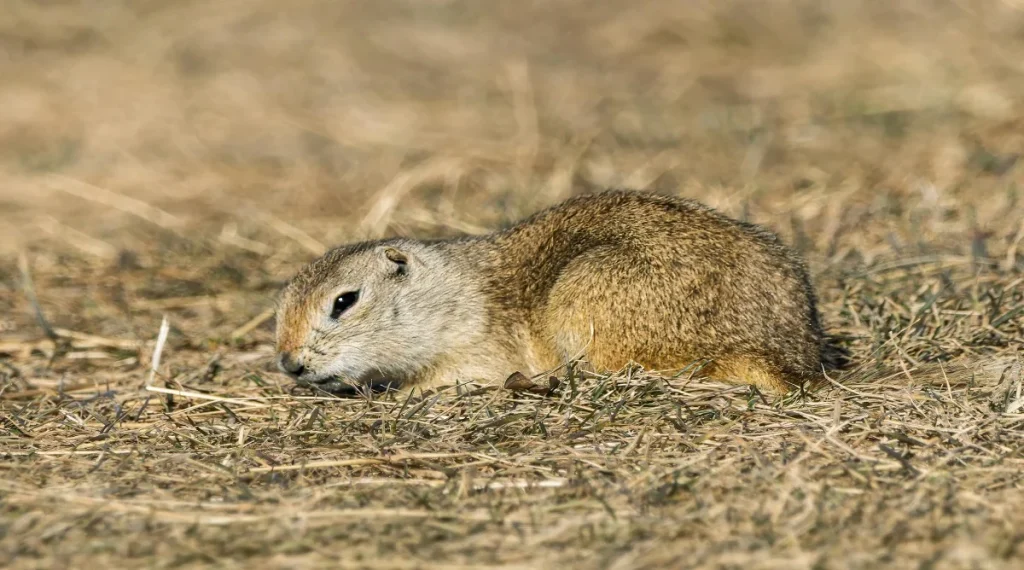
Spring is one of the most active periods in wildlife seasons in Canada. As temperatures rise and habitats begin to open, many animals become easier to observe. Birdsong increases, wetlands become more active, and mammals are often seen moving more after quieter winter months.
Nature specialists often describe spring as a time of return and transition. Migratory birds reappear, and many species begin nesting or searching for food more visibly. For many observers, this makes spring one of the easiest times to notice changes in wildlife activity across Canada.
Credit: Jola Kedra / Pexels
Credit: Barnabas Davoti / Pexels
Migration Is One of the Biggest Seasonal Wildlife Patterns
Migration is one of the clearest examples of seasonal change in Canada’s wildlife. Birds and other species often travel long distances in response to weather, food availability, and breeding needs. For many observers, migration explains why the same place can feel lively and full in one season, then much quieter in another.
Bird researchers often describe migration as one of the strongest signals of seasonal change in nature. While timing can vary depending on region and weather conditions, the overall pattern remains consistent. Migration also connects local habitats in Canada to much larger ecological systems across continents.
Why Seasonal Awareness Improves Nature Experience
Understanding how animal behavior shifts with the seasons helps people experience nature more realistically. Instead of expecting the same activity all year, observers can begin to notice how timing shapes what they see. This often makes forests, wetlands, parks, and trails feel more engaging.
Nature guides often suggest visiting the same place in different seasons to see these changes more clearly. A location that feels quiet in winter may become active in spring, full and green in summer, and transitional in fall. Wildlife seasons in Canada add depth to the experience by showing that natural landscapes are always changing.
Frequently Asked Questions
Q: Why do wildlife seasons in Canada change so much?
A: Wildlife responds to weather, daylight, food supply, migration, and breeding cycles. These patterns change across the year and across habitats.
Q: Which season is best for seeing wildlife in Canada?
A: Spring and summer often make wildlife easier to observe, but fall and winter also reveal important animal patterns in different ways.
Q: Does winter mean there is no wildlife activity?
A: No. Some species remain active, while others become harder to see but still leave tracks, feeding signs, or occasional movement.
Q: Why is migration important in seasonal wildlife patterns?
A: Migration helps explain why some species appear or disappear at different times of year based on climate and habitat needs.
Key Takeaway
- Why National Parks Matter to Nature, Travel, and Conservation in Canada
- How Canadian Seasons Change Travel, Nature, and Daily Life
- 7 Natural Landscapes That Show the Beauty of Canada








Post Comment