How to Plan an Easy Nature Stop in Canada During a Longer Travel Day
Travel and outdoor planners often explain that short nature breaks work best when they are realistic. The stop should support the day instead of interrupting it. That is why an easy nature stop in Canada usually needs clear access, simple timing, and just enough outdoor space to refresh the traveler before the route continues.
Why an Easy Nature Stop in Canada Can Improve a Travel Day
Long travel days can become tiring when every hour is spent in a vehicle or in tightly scheduled movement. A short outdoor stop gives people a chance to reset. A few minutes near water, a forest edge, a scenic overlook, or a marked path can change the feel of the whole day.
Travel planners often note that these breaks are valuable because they create contrast. Instead of treating the drive as empty time between destinations, travelers can make the route itself feel more meaningful. This is one reason simple travel breaks in Canada are so useful for road-based trips.
Choose Stops That Are Easy to Reach and Easy to Leave
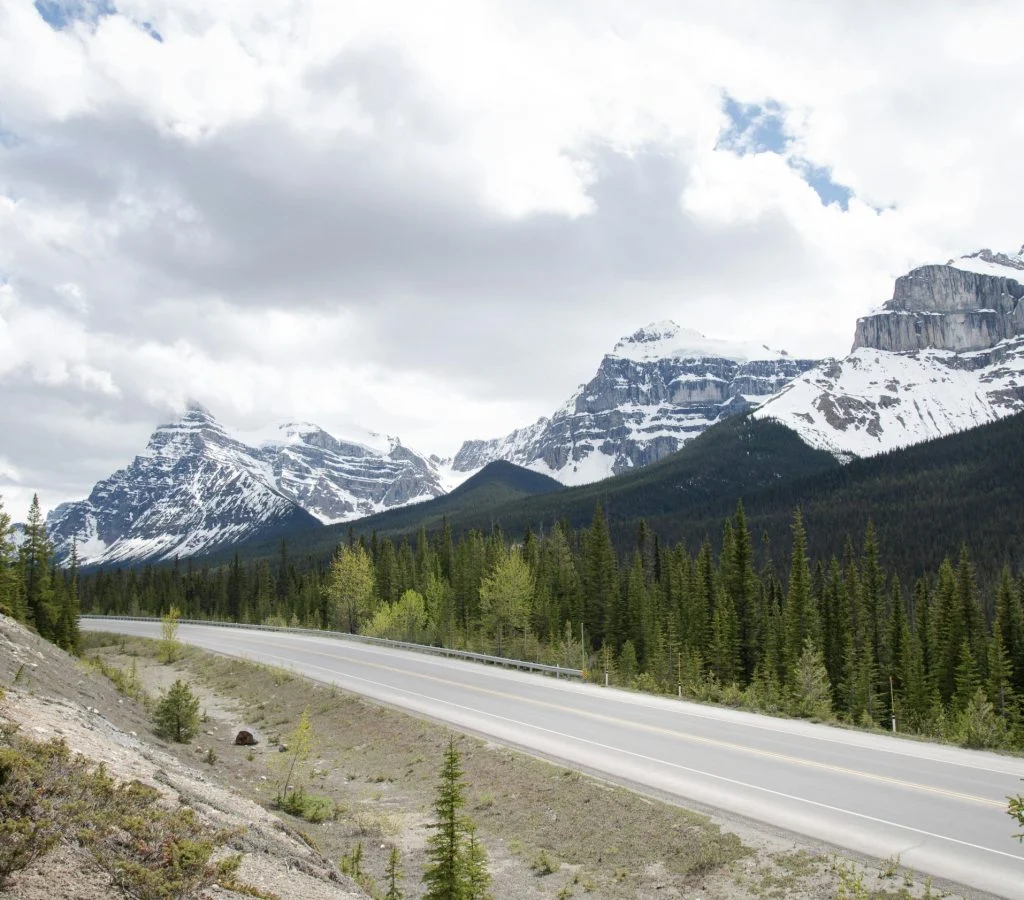
The best nature stop during a longer travel day is usually one that does not require major extra driving or a complex entry process. A marked viewpoint, a short trail near parking, a lakeside day-use area, or a roadside scenic pull-off often works better than a location that adds stress or uncertainty.
Outdoor guides often recommend checking access first. If the stop feels confusing to enter or difficult to leave, it may not suit a day that already includes several hours of movement. Canada outdoor planning works better when a break feels simple from beginning to end.
Keep the Stop Short Enough to Protect the Main Route
A good nature break does not need to become a second trip inside the main trip. In many cases, fifteen to forty-five minutes is enough to improve mood, reduce fatigue, and enjoy the setting. The goal is not to do everything the stop offers. It is to add one strong outdoor moment to the day.
Travel editors often point out that overextending a short break can make the rest of the route feel rushed. A smaller, well-timed stop usually works better than an ambitious one that pushes the day off balance. A scenic stop idea should support the journey, not compete with it.
Look for a Rewarding View Without a Demanding Route
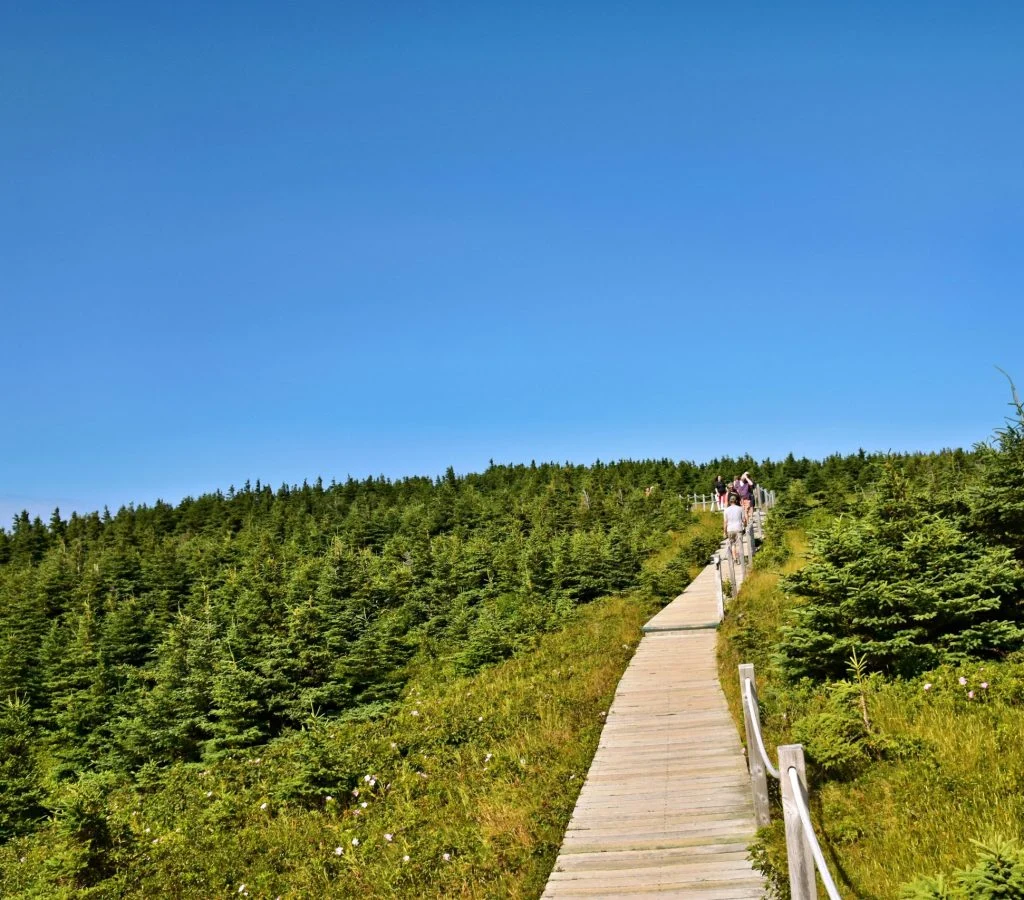
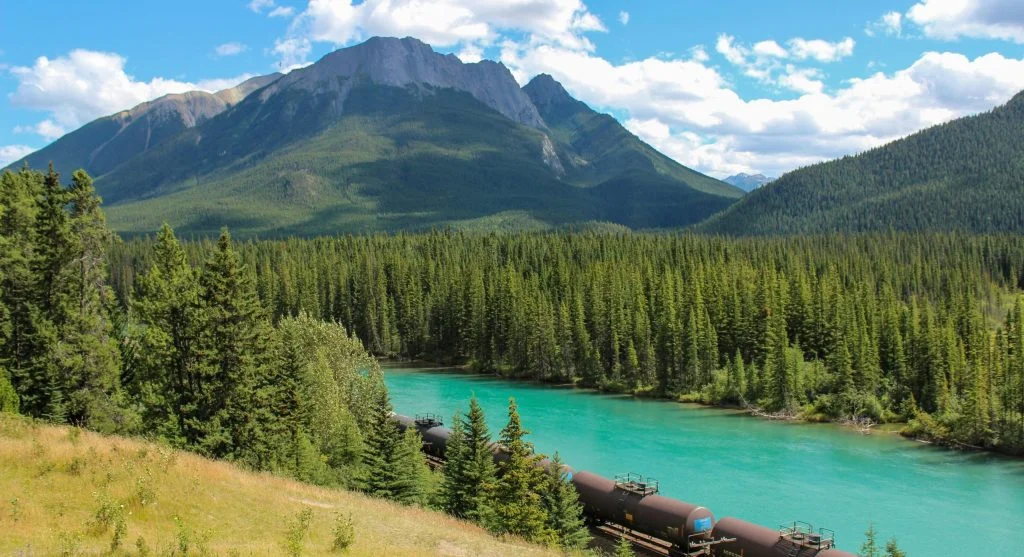
An easy nature stop in Canada should offer visual reward quickly. This may mean a shoreline path, a river viewpoint, a forest boardwalk, a lookout, or a short trail with clear scenery near the start. People are more likely to enjoy the break if the best part of it is accessible without much effort.
Outdoor writers often recommend choosing stops where the scenery arrives early. A travel-day break should feel refreshing, not like another obligation. This is especially true for families, couples, and drivers who already have a full day ahead of them.
Timing Matters as Much as the Place Itself
A stop that feels calm and comfortable at one hour may feel too warm, too windy, too crowded, or too dim later. Morning may work best for quiet scenery, midday may work better in cooler seasons, and late afternoon may suit travelers who want a soft scenic pause before the last part of the drive.
Outdoor planners often explain that timing outdoor breaks is one of the easiest ways to improve them. Light, weather, and personal energy all shift during the day. An easy nature stop in Canada often feels much better when the timing matches the route and the season.
Dress for the Stop, Not Just the Drive
One common mistake is planning the road portion carefully but forgetting that the stop may feel cooler, windier, or wetter than the inside of the vehicle. Comfortable shoes, a light layer, and water often make a short outdoor break much more pleasant. Small practical choices can change the whole experience.
Outdoor educators often remind travelers that even simple stops deserve basic comfort planning. A short boardwalk, trail edge, or shoreline walk may only last a few minutes, but the conditions still matter. Scenic stop ideas in Canada often work best when the traveler is ready to enjoy the place immediately.
Choose Stops That Match the Mood of the Route
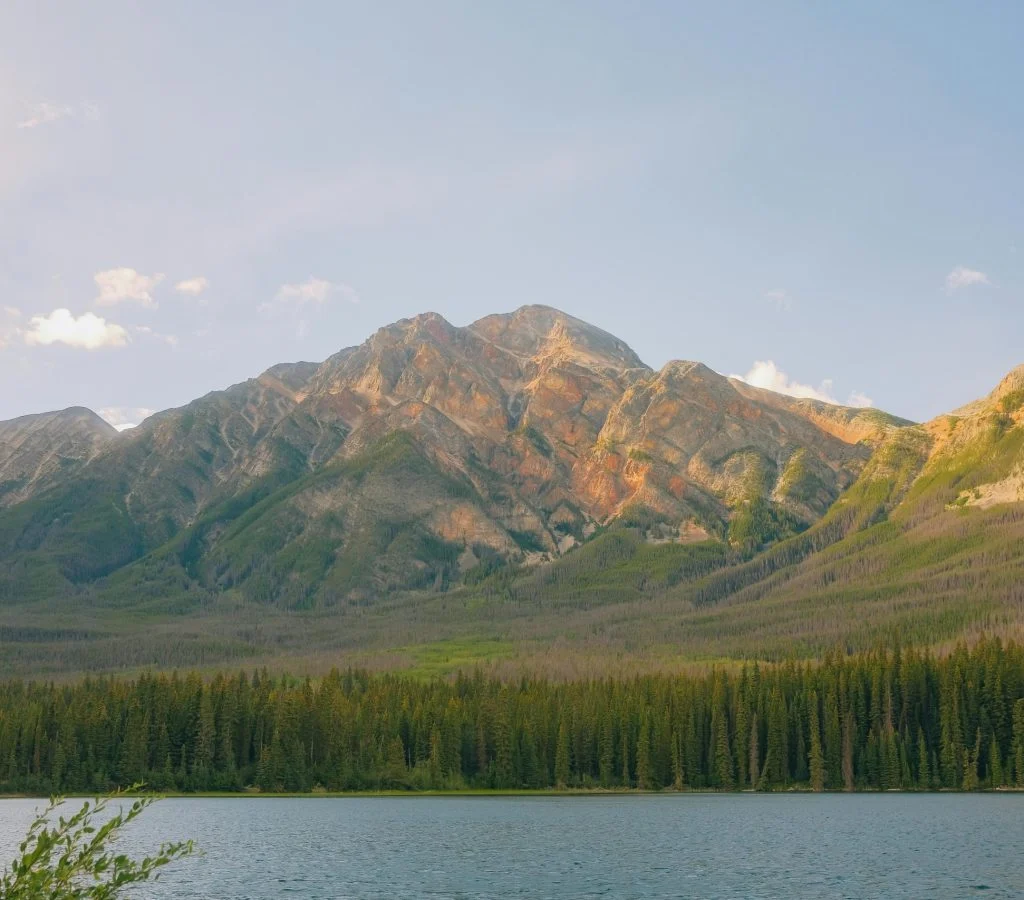
Not every travel day needs the same kind of nature break. Some routes suit a quiet lake view. Others may feel better with a forest path, a roadside canyon viewpoint, a river walk, or a public waterfront. The best stop often depends on the overall tone of the journey and the energy left in the day.
Travel advisors often explain that matching the stop to the route makes the day feel more coherent. A dramatic viewpoint may suit one kind of drive, while a soft and calm boardwalk may suit another. An easy nature stop in Canada becomes more memorable when it fits naturally into the travel story already taking shape.
Frequently Asked Questions
Q: What makes a good nature stop during a long travel day?
A: Easy access, short walking distance, clear scenery, and simple timing usually make a stop more useful and enjoyable.
Q: How long should a roadside nature break last?
A: In many cases, fifteen to forty-five minutes is enough to refresh the day without making the rest of the trip feel rushed.
Q: Should travelers choose a stop with a full trail or a short viewpoint?
A: On a longer travel day, a short viewpoint or easy walk often works better because it protects time and energy.
Q: Why does timing matter for a nature stop?
A: Light, temperature, wind, and crowd levels can all change through the day and affect how comfortable the stop feels.
Key Takeaway
An easy nature stop in Canada can make a long travel day feel calmer, more scenic, and less tiring without turning into a major detour. The best stops usually offer quick visual reward, simple access, and a time frame that protects the rest of the route. Small details such as timing, footwear, and route fit can make the stop much better. An easy nature stop in Canada works best when it refreshes the day instead of competing with it.





Post Comment