
How Seasonal Light Changes Travel, Mood, and Daily Life Across Canada
Seasonal light in Canada changes much more than the look of a landscape. It affects travel plans, outdoor comfort, public activity, and the general rhythm of a day. A route that feels easy and open in long summer light may feel shorter, cooler, and more structured in fall or winter when daylight begins to shrink.
Seasonal observers often explain that people notice temperature first, but daylight may shape behavior just as strongly. The amount of light available changes how long people stay outside, when they travel, and how they use public space. Understanding seasonal light in Canada helps readers see why the same place can feel very different at different times of year.
Why Seasonal Light in Canada Matters So Much
Light matters because it changes the practical shape of the day. Longer daylight can create a sense of openness and flexibility, while shorter daylight often makes planning feel more deliberate. These changes affect routine even before weather becomes the main concern.
Climate and seasonal researchers often note that daylight changes in Canada are easy to feel because they influence movement, mood, and timing in direct ways. A person may not think of light as a planning factor at first, but it often determines how comfortable and complete a day feels. This is one reason seasonal life in Canada is strongly tied to light as well as temperature.
Long Summer Light Can Make a Day Feel Larger
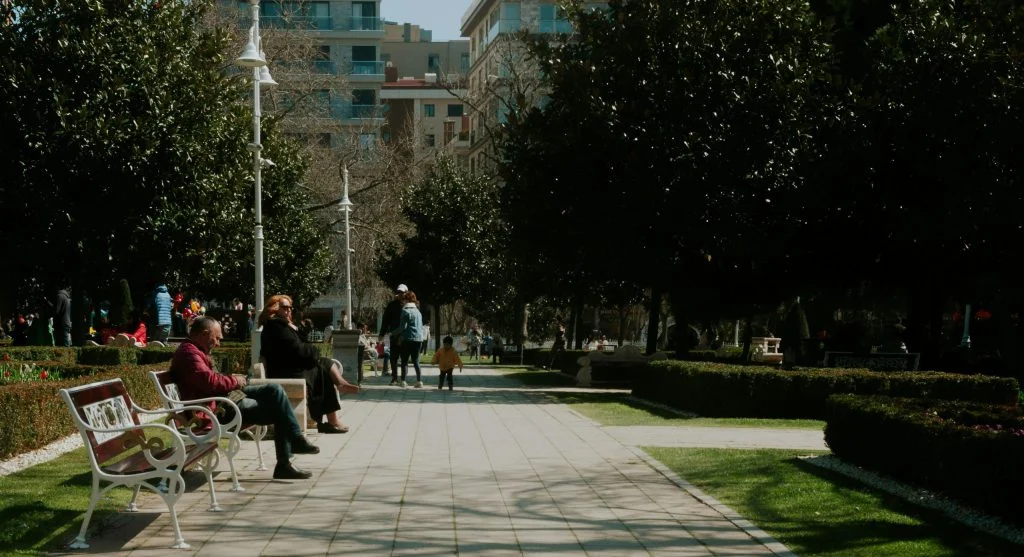
In summer, longer daylight often makes travel and outdoor activity feel easier. There is more time for road stops, scenic walks, public parks, and late-day outings without the same sense of time pressure. This can make the season feel more generous and more flexible than colder parts of the year.
Travel planners often explain that long light supports a broader kind of trip planning. A person can start later, pause more often, or add a scenic stop without feeling rushed. That is one reason seasonal light in Canada plays such a large role in how summer is experienced.

Shorter Fall and Winter Light Can Change Daily Routine Quickly
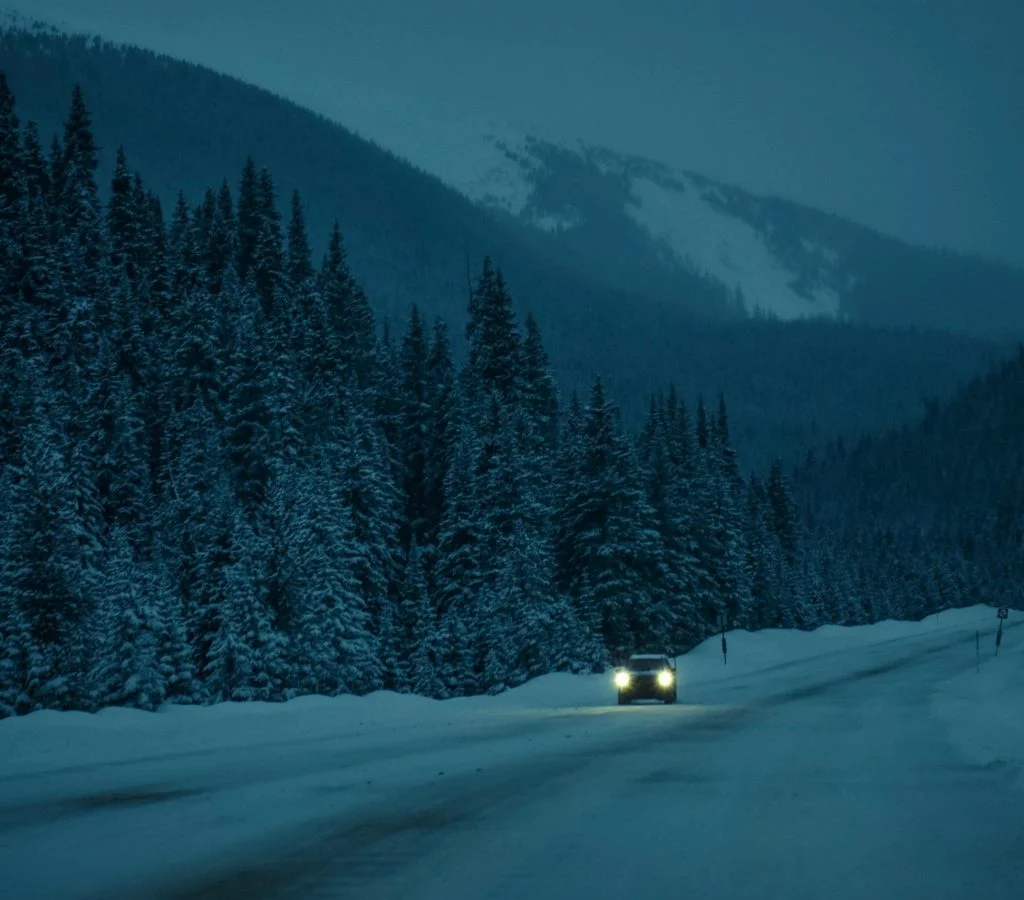
As the year moves into fall and winter, light often becomes a stronger planning factor. Outdoor time may need to start earlier, travel routes may feel shorter, and ordinary errands can become more tied to the brightest part of the day. This shift can happen quickly once daylight begins to shrink.
Seasonal planners often note that shorter light changes more than visibility. It can also change energy, comfort, and how people feel about using outdoor spaces. This helps explain why daily life may begin to feel more structured even before deep winter conditions arrive.
Seasonal Light Changes How Landscapes Feel
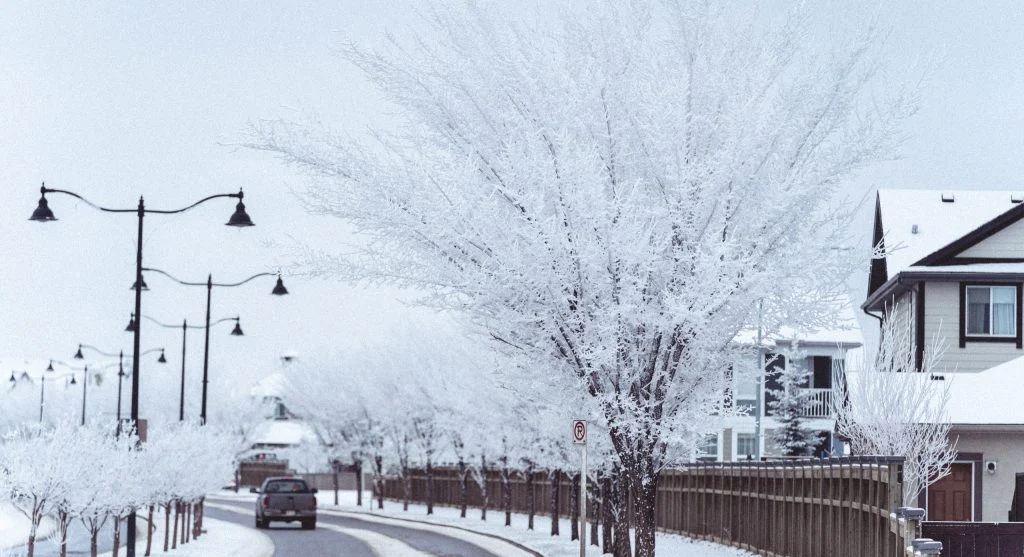
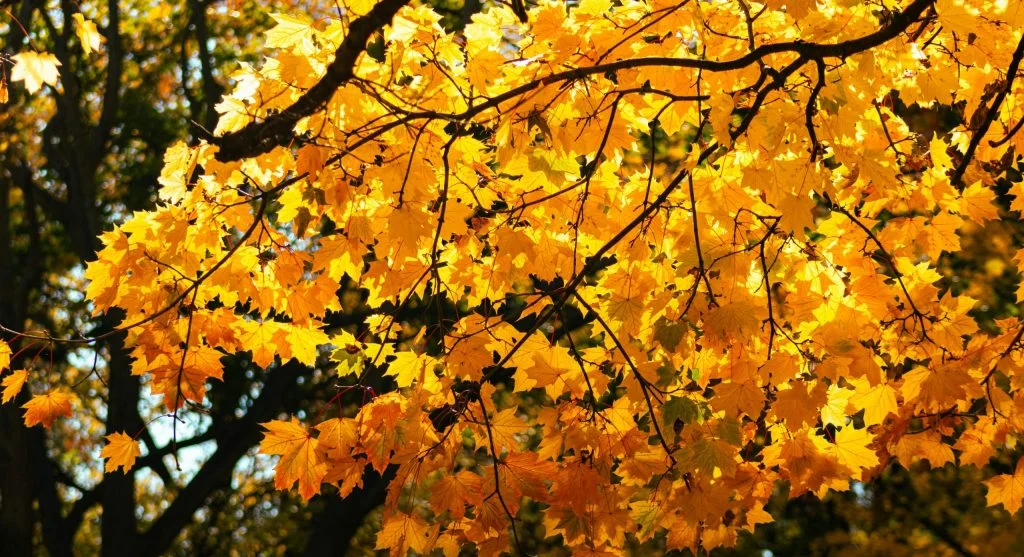
The same landscape can look completely different depending on the season and the angle of light. In summer, bright extended light can make a place feel broad and active. In fall, softer light may make colors and atmosphere feel stronger. In winter, lower light and shorter days can make a landscape feel quieter and more still.
Nature photographers and landscape observers often explain that light helps define not only visibility, but mood. Lakes, forests, streets, fields, and shorelines all take on a different character as the year changes. This is one reason seasonal light in Canada is such an important part of both nature and travel writing.
Travel Planning Often Works Better When Light Is Part of the Plan
Many travelers think first about weather, but light can be just as important when deciding how much to do in a day. A scenic drive, outdoor stop, or local walk often feels more comfortable when there is enough daylight to enjoy the route without pressure. In colder seasons, limited light can make even a simple outing feel more time-sensitive.
Travel advisors often recommend thinking about daylight the same way people think about route length or clothing. Canada travel planning becomes more realistic when travelers account for how much of the day will actually feel useful outdoors. This often leads to better pacing and fewer rushed decisions.
Credit: Chris F / Pexels
Public Life Often Follows the Pattern of Daylight
Public spaces in Canada often feel different depending on the season of light. In long daylight months, parks, trails, patios, markets, and waterfronts may stay active later into the evening. In darker seasons, activity may concentrate more strongly into the middle of the day or move indoors sooner.
Urban observers often note that this creates a visible seasonal rhythm in towns and cities. The same square or street may feel lively and open in one season and quieter in another. This makes seasonal life in Canada something people can often see in public movement as much as in weather itself.
Why Light Influences Mood as Well as Movement
Light also affects how people feel in a place. Longer, brighter days may make routines seem easier and more open, while shorter days can make time feel tighter and more structured. This does not mean one season is better than another, but it does help explain why different seasons create different emotional tones.
That is why seasonal light in Canada matters beyond scenery. It shapes the pace of daily life, the comfort of travel, and the atmosphere of public space in ways that readers can recognize quickly. For many people, light is one of the clearest signals that a season has truly changed.
Frequently Asked Questions
Q: Why is seasonal light in Canada so noticeable?
A: Seasonal light changes how long the day feels, how much outdoor time is possible, and how public life is organized.
Q: Does daylight really affect travel planning?
A: Yes. Daylight influences route comfort, scenic stops, timing, and how much outdoor activity can fit into a day.
Q: Why do places feel different even when temperature is similar?
A: Light angle, day length, and the seasonal mood of a landscape can change the feel of a place even before temperature shifts strongly.
Q: Does seasonal light affect city life too?
A: Yes. Parks, streets, markets, and public spaces often follow the rhythm of daylight through the year.
Key Takeaway
Seasonal light in Canada changes travel comfort, public activity, outdoor routines, and the overall feel of daily life. Long summer light can make days feel flexible and open, while shorter fall and winter light often makes planning more deliberate. These shifts affect both mood and movement across the country. Seasonal light in Canada matters because it quietly shapes how each season is actually lived.











Post Comment