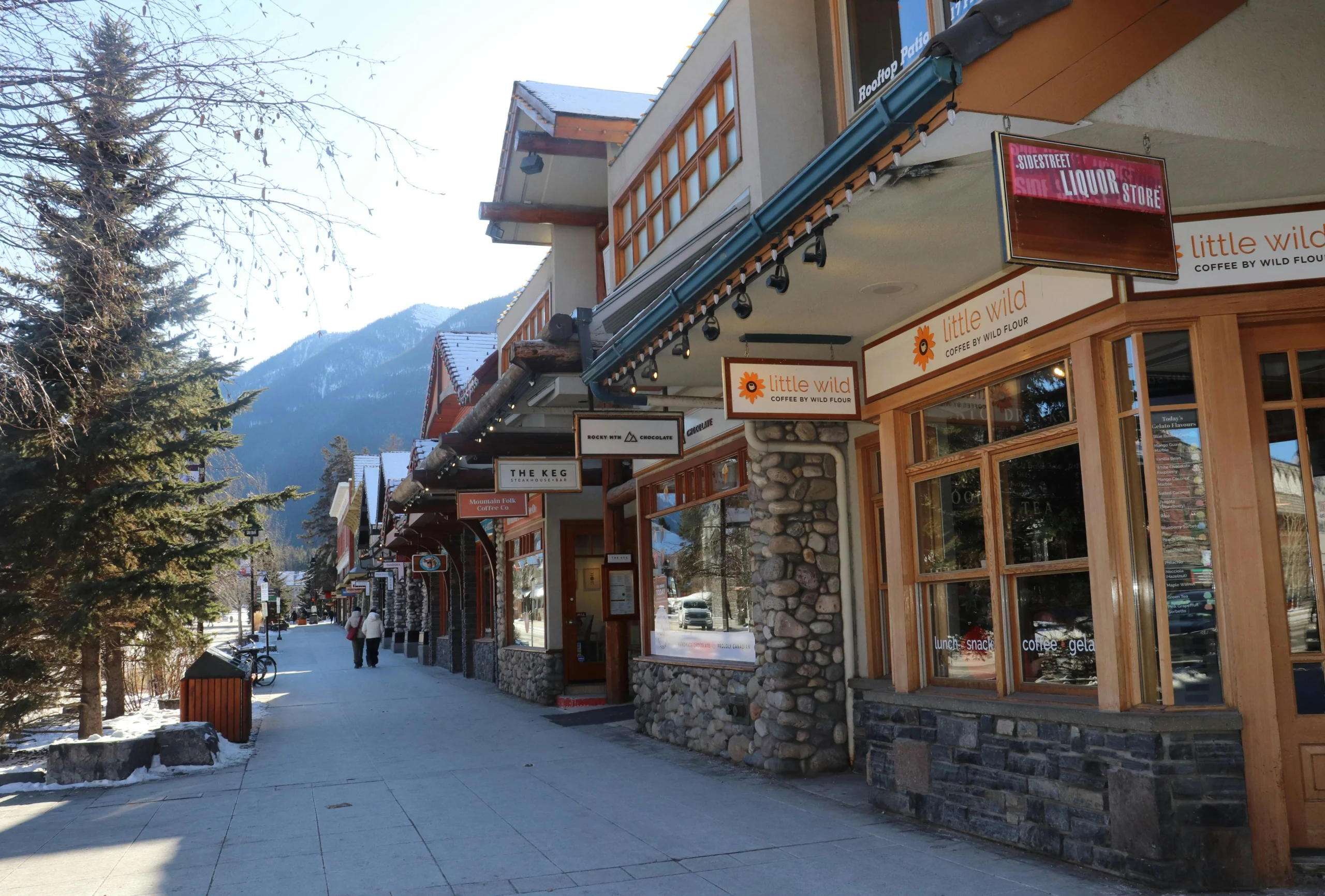
How Local Pace Changes From One Canadian Region to Another
Regional observers often explain that pace is one of the clearest parts of place identity. It influences how people move through public space, how long they stay in gathering places, and how much room a day seems to have. Understanding local pace in Canada helps readers see that the country is not one single rhythm, but many regional rhythms working side by side.
Why Local Pace in Canada Changes by Region
Local pace usually grows from a mix of geography, population size, climate, transportation patterns, and public habits. A large metropolitan area may feel fast because distances are organized around work schedules, traffic flow, and dense daily movement. A smaller region may feel slower because community life is spread differently and natural surroundings play a larger role in the day.
Urban and regional researchers often note that pace is not only about speed. It is also about how people use time, how public space feels, and how much pressure is built into ordinary routines. This is why regional life in Canada can feel so different even when places share similar national systems.
Large Urban Areas Often Feel More Structured
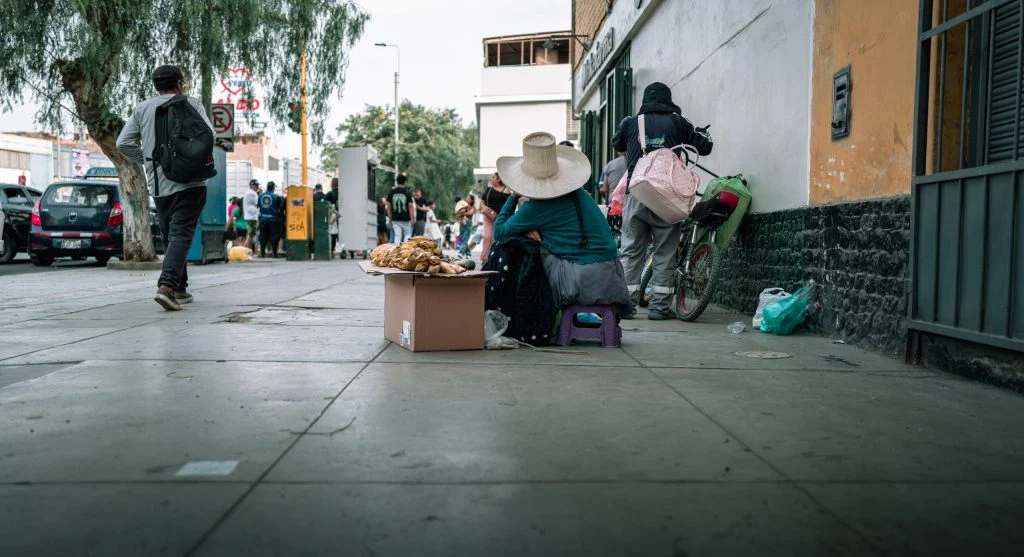
In larger cities, movement is often guided by transit schedules, work hours, traffic patterns, and busy commercial districts. This can create a more structured daily experience. Streets may feel active from morning through evening, and public spaces can seem closely tied to timing and flow.
Urban planners often explain that density naturally changes rhythm. When more people are moving through a smaller area, pace tends to feel tighter and more organized. This does not make a city less welcoming, but it does make it feel different from quieter regional settings.
Credit: Darry Lin / Pexels
Smaller Communities Often Reveal a Slower Regional Rhythm
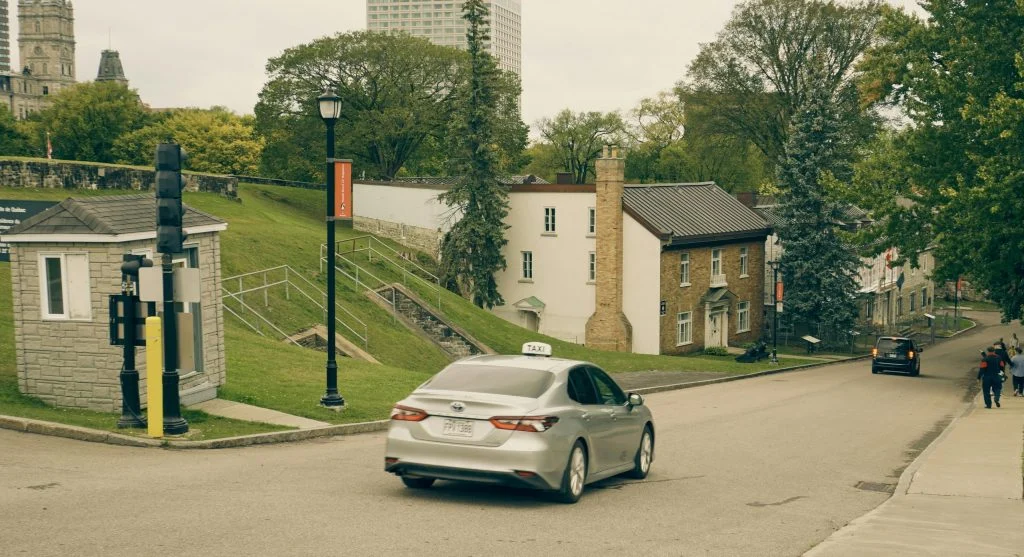
Smaller towns and less dense regional centers often feel more open and less compressed. Streets may be quieter, distances may feel easier to manage, and daily life can appear more visible at the local level. A waterfront, main street, park, or market may become a stronger part of how the place is experienced.
Cultural observers often note that slower pace does not mean less activity. It often means activity is spread differently and noticed more clearly. This helps readers understand why local pace in Canada often feels closely tied to community scale and setting.
Geography Can Change Pace as Much as Population Does
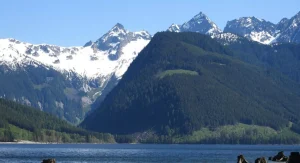
Landscape also shapes rhythm. A coastal town, mountain region, lakeside city, prairie center, or forest community may all move differently because land and weather influence routine. Geography affects roads, public space, outdoor habits, and how closely people live with nearby nature.
Regional geographers often explain that physical surroundings do not only affect scenery. They also influence timing and behavior. A place shaped by water or long winter conditions may develop a different public pace from one built around dense urban corridors and faster movement.
Seasonal Change Can Make the Same Place Feel Faster or Slower
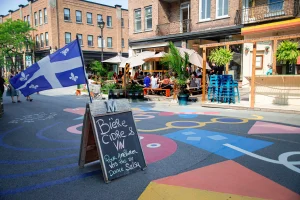
One reason local pace in Canada is interesting is that it can shift within the same place over the year. Summer may bring more outdoor activity, longer evenings, and a livelier public mood, while winter may compress movement and make routines feel more deliberate. Spring and fall often sit between those two patterns.
Seasonal observers often point out that pace should not be treated as fixed. It is often seasonal as well as regional. This helps explain why a city or town may feel quite different depending on when it is experienced.
Credit: @coldbeer / Pexels
Travel Experience Often Depends on Matching Pace to Purpose
Travelers do not all want the same rhythm. Some prefer busy neighborhoods, concentrated attractions, and full days of movement. Others want scenic pauses, smaller places, and more room between activities. Matching trip purpose to local pace often leads to a better experience.
Travel planners often recommend thinking about rhythm before choosing a destination. A fast-paced city may be ideal for one kind of trip, while a slower regional setting may suit another much better. Travel across Canada often feels most rewarding when destination and pace fit each other naturally.
Local Pace Helps Reveal Place Identity
Pace is one of the easiest ways to understand a place without needing formal explanation. It can be noticed in how people walk, how long they stay in public spaces, how businesses feel during the day, and how much attention is given to scenery or routine. These details give shape to regional identity.
Researchers who study everyday culture often explain that rhythm can say as much as architecture or landmarks. A place may be remembered not only for what it looks like, but for how it moves. That is why local pace in Canada is such a useful way to compare cities, towns, and regions.
Why This Matters for Readers and Travelers
Understanding pace helps readers plan better and notice more. It makes it easier to choose places that fit travel style, and it also deepens appreciation of how regional life works. A destination can be more enjoyable when expectations match the rhythm of the place.
Local pace in Canada matters because it connects geography, community life, and daily movement in one simple idea. For readers, it offers a clear way to understand the differences between Canadian cities and provinces without reducing them to stereotypes or short labels.
Frequently Asked Questions
Q: What affects local pace in Canada?
A: Population size, geography, climate, transportation patterns, and local habits all help shape pace.
Q: Do larger Canadian cities always feel faster?
A: They often feel more structured and active, but pace can still vary by neighborhood, season, and region.
Q: Can smaller communities still feel active?
A: Yes. They may feel lively in a different way, with activity centered around local spaces rather than dense urban flow.
Q: Why does pace matter for travel?
A: Pace affects comfort, expectations, and how well a destination matches the kind of experience a traveler wants.
Key Takeaway
Local pace in Canada changes from region to region because geography, scale, season, and community habits all shape daily rhythm. Large urban areas often feel more structured, while smaller places may reveal a slower and more visible local pattern. Understanding pace helps readers plan better trips and understand regional identity more clearly. Local pace in Canada matters because it shows how place is experienced, not just how it looks.








Post Comment