How Shorelines Shape Nature, Travel, and Local Life Across Canada
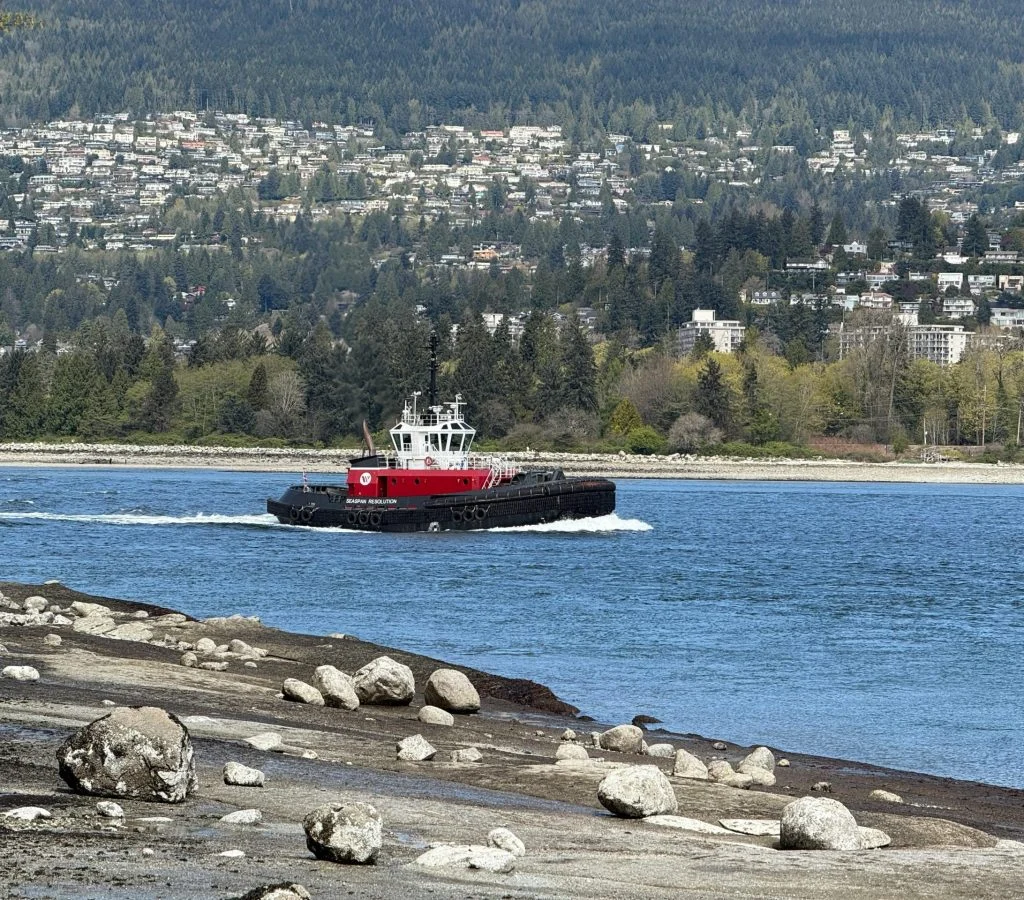
Shorelines in Canada shape much more than scenic views. They influence wildlife activity, travel routes, community identity, and the overall feel of many natural places. A shoreline may belong to a lake, river, bay, or coast, but in each case it creates a meeting point between land and water that changes how a region looks and works.
Nature specialists often explain that shorelines are active edges rather than passive boundaries. They support plant life, create habitat, affect erosion and movement, and often become the places where people notice natural change most clearly. Understanding shorelines in Canada helps readers see how closely nature, travel, and local life are connected.
Why Shorelines in Canada Matter So Much to the Landscape
Shorelines matter because they give shape to both land and water at the same time. A forest may feel different when it ends at a rocky lake edge. A town may feel different when its public space opens toward a harbor or riverfront. This edge condition often becomes one of the strongest visual features of a region.
Landscape researchers often note that shorelines create direction and identity. They guide roads, trails, settlement patterns, and viewpoints. This is one reason Canada coastal landscapes and lakeside regions often remain especially memorable for readers and travelers.
Wildlife Often Depends on Shoreline Habitat
One major reason shorelines in Canada are so important is that they support rich habitat. Birds may feed or nest nearby, fish use shoreline systems differently through the year, and mammals often move along water edges as part of normal activity. Plant growth near water can also create shelter and seasonal food sources.
Wildlife researchers often explain that shoreline habitat is valuable because it connects several natural needs in one place. Water access, vegetation, cover, and movement corridors may all come together there. This makes shorelines especially important within broader wildlife systems.
Shorelines Make Seasonal Change Easier to See
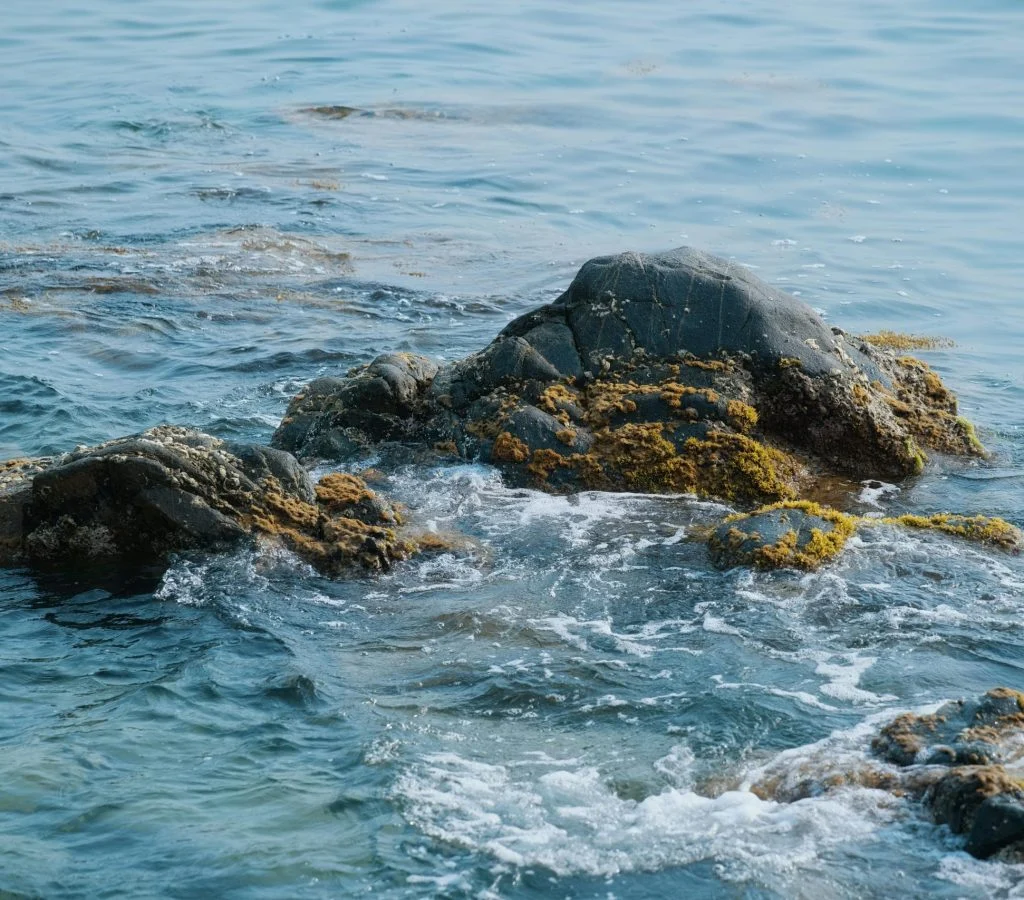
Seasonal change often becomes especially visible along shorelines. Spring thaw, shifting water levels, summer activity, fall reflections, and winter ice all transform the same place in clear ways. The edge between water and land can reveal these seasonal shifts more directly than many inland settings.
Nature educators often point out that shorelines are good places to observe time passing in the landscape. Light changes differently there, vegetation responds visibly, and wildlife movement may become easier to notice. This makes lakeside nature in Canada especially useful for understanding how seasons shape the outdoors.
Travel Routes Often Follow Water Edges for a Reason
Many memorable travel routes in Canada follow or approach shorelines because these areas naturally combine scenery with access. A road beside a lake, a trail near a river, or a town built around a harbor often gives travelers both clear orientation and a stronger sense of place. Water becomes part of the route, not just the background.
Travel planners often explain that waterside travel in Canada feels rewarding because the landscape stays visually active. Reflections, changing sky, shoreline turns, and public access points all add variety. This is one reason shoreline routes often feel stronger than routes that ignore the water nearby.
Communities Often Build Identity Around the Shore
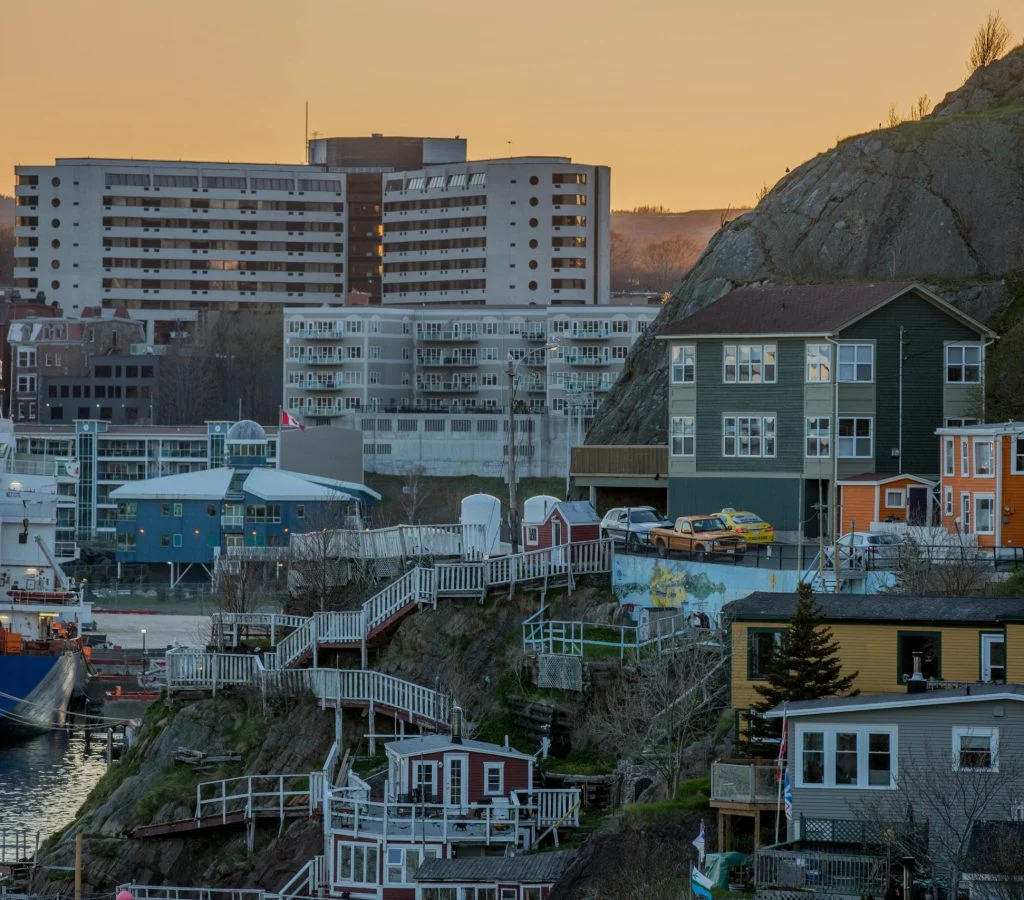
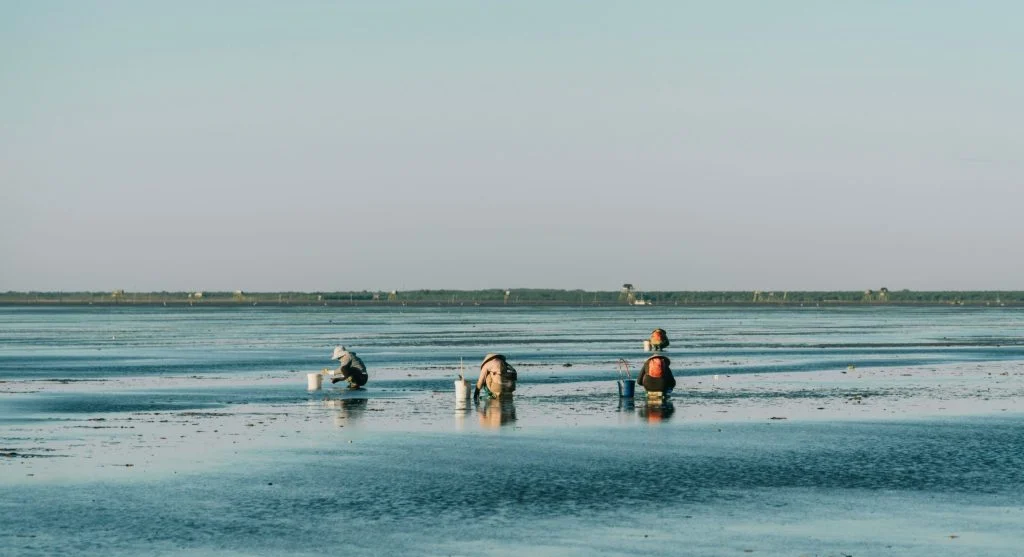
Many communities in Canada are shaped by their relationship with nearby water. The shoreline may influence local recreation, work patterns, public spaces, and the way residents think about the place itself. A harbor, waterfront path, fishing area, marina, or public lake edge can all help define local character.
Cultural researchers often explain that a shoreline is not only a natural feature. It is also a social edge where people gather, walk, and interpret the region around them. That is why shorelines in Canada matter to community identity as much as they matter to scenery.
Shorelines Can Feel Calm or Dynamic Depending on the Place
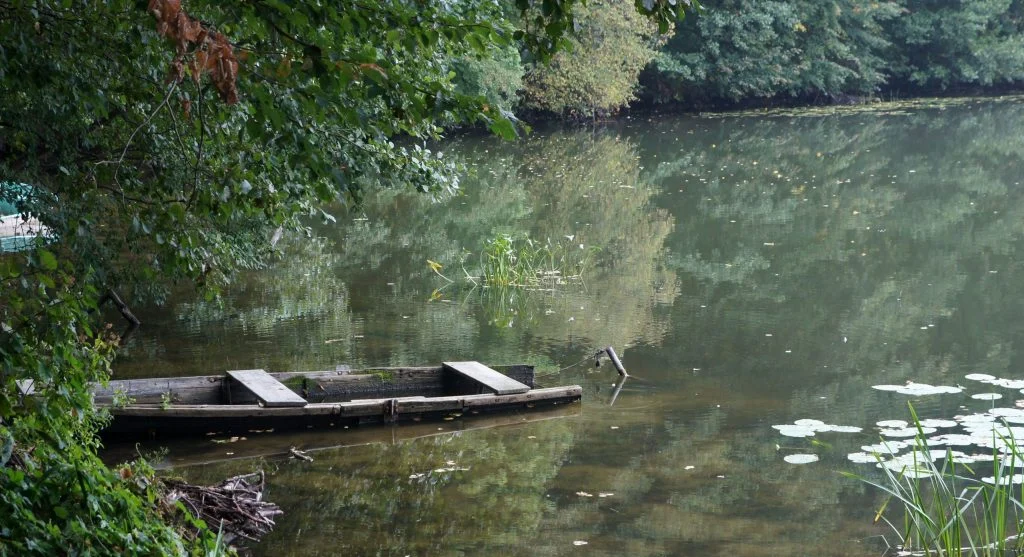
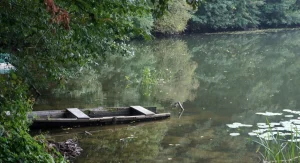
Not every shoreline creates the same mood. Some feel calm and reflective, especially along inland lakes or quiet rivers. Others feel more dynamic, with stronger wind, waves, tidal movement, or exposed rock. This variety helps explain why shorelines in Canada can feel both familiar and highly regional at the same time.
Regional landscape observers often note that the character of a shoreline comes from more than the water alone. Rock type, vegetation, weather, slope, and human use all affect how the place feels. This makes shoreline writing a strong way to compare regions without treating them as identical.
Why Shorelines Deserve More Attention in Nature Writing
Shorelines are often treated as simple scenic backgrounds, yet they reveal many of the country’s most important relationships between water, habitat, season, and public life. They help explain why certain routes feel scenic, why certain towns feel oriented toward the water, and why wildlife activity clusters in certain places.
That is why shorelines in Canada deserve more attention. They connect ecology, travel, and local identity in one visible subject. For readers trying to understand nature in Canada, the shoreline is often one of the clearest places to begin.
Frequently Asked Questions
Q: Why are shorelines in Canada so important?
A: They shape wildlife habitat, seasonal change, travel routes, and community identity by connecting land and water in one place.
Q: Do shorelines affect wildlife in Canada?
A: Yes. Many birds, fish, mammals, and plants rely on shoreline areas for feeding, shelter, movement, or seasonal activity.
Q: Why do shoreline routes feel scenic for travelers?
A: Water, sky, reflections, and open views often make shoreline routes feel visually rich and easy to follow.
Q: Are all Canadian shorelines the same?
A: No. Shorelines vary by region, water type, weather, vegetation, and local geography, which gives each one a different character.
Key Takeaway
Shorelines in Canada shape nature, travel, and local life by connecting water and land in visible and active ways. They support wildlife habitat, make seasonal change easier to notice, and give many routes and communities a stronger sense of place. Their value is both ecological and cultural. Shorelines in Canada matter because they help explain how landscapes are experienced as well as how they function.





Post Comment