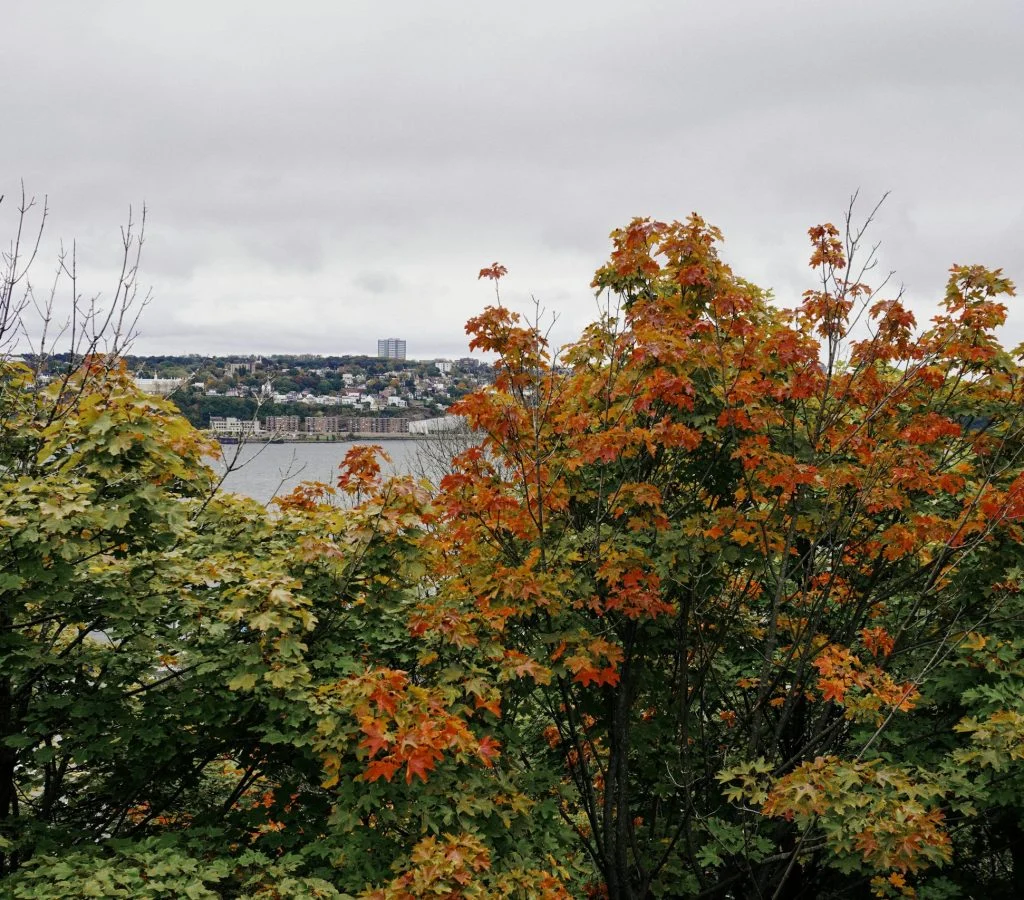
Why Shoulder Seasons in Canada Can Change Travel Plans and Daily Life So Much
What Shoulder Seasons in Canada Usually Feel Like
Shoulder seasons in Canada often feel uneven rather than fully settled. Spring may still carry traces of winter, while early fall may still hold some of summer’s openness. These periods can bring a mix of conditions that change how a place looks and how people use it from day to day.
Climate researchers often note that seasonal transitions in Canada are not only about average temperature. Ground conditions, daylight, wind, and public routine all shift at once. This is why a place can feel quite different even before the landscape has fully changed.
Travel Planning Often Becomes More Delicate During These Periods
One reason shoulder seasons in Canada matter so much is that travel becomes harder to predict. A route may still be scenic and rewarding, but the comfort of the day can depend more on timing, layering, and flexibility. What works easily in a stable season may need more thought when conditions are still moving.
Travel planners often explain that these in-between periods reward realistic expectations. A smaller route, a regional plan, or a shorter day trip may work better than a large itinerary with tight timing. Canada travel planning often improves when travelers accept that transition periods need a little more room.
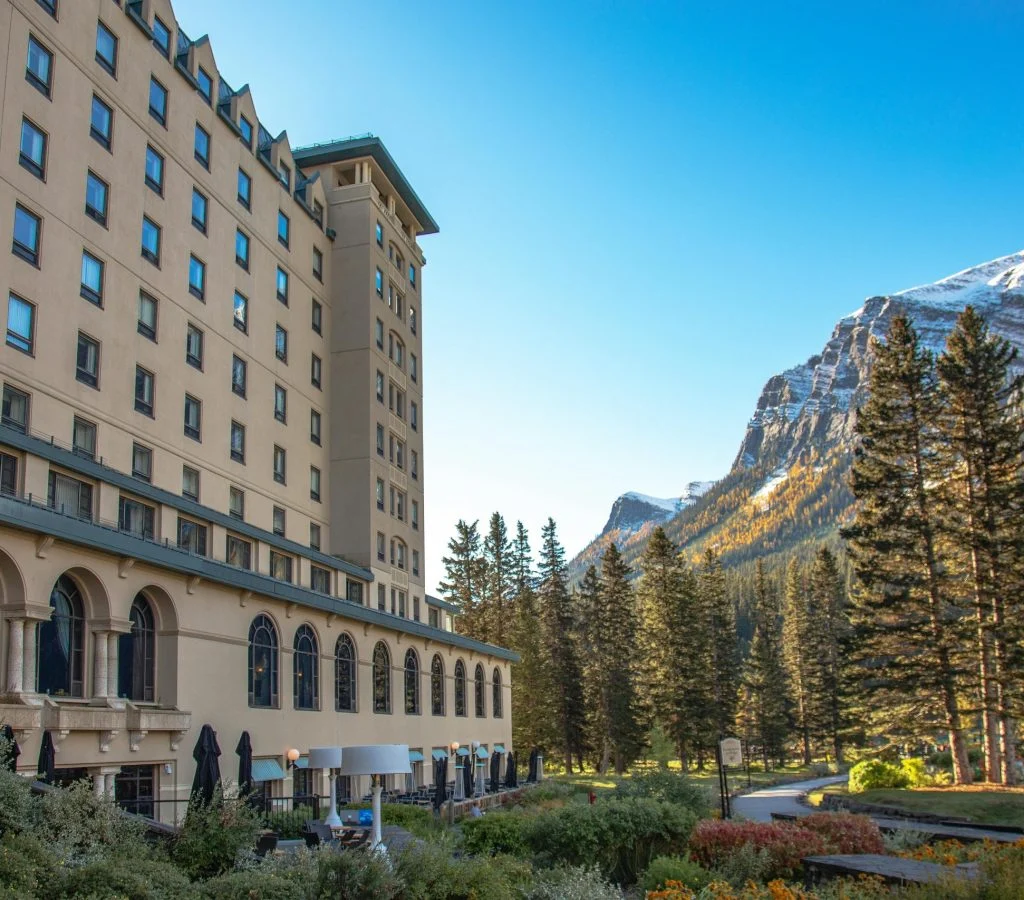
Clothing and Outdoor Comfort Become Less Simple
During shoulder seasons, dressing for the day often becomes more complicated. A cool morning may turn comfortable by midday, and then feel cold again by evening. Wind, shade, damp ground, or sudden weather change can all affect how an outing feels, even if the plan itself is simple.
Outdoor educators often note that comfort in these seasons depends on flexibility more than on one perfect outfit. Layers, practical shoes, and realistic timing often matter more than people expect. This is one reason shoulder seasons in Canada are felt so clearly in ordinary routine.
Public Spaces Begin to Shift Before Activity Fully Changes
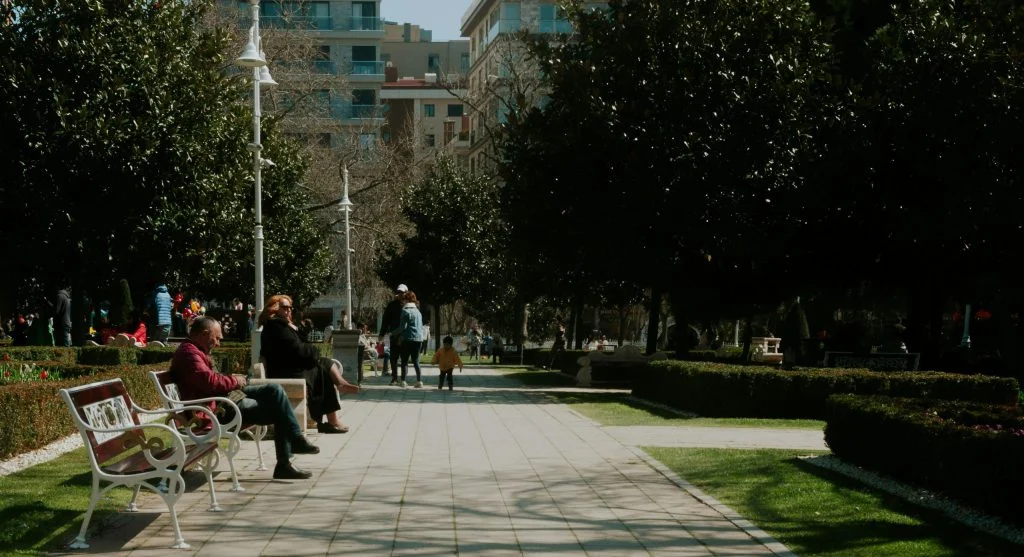
Parks, waterfronts, markets, trails, and town squares often show the effects of transition early. A space may still look visually close to one season while already being used more like another. That can make these periods feel especially interesting, because the physical look and the public rhythm do not always change at the same speed.
Urban observers often explain that public atmosphere is one of the first signs of seasonal change. People may stay for shorter or longer periods, gather differently, or move through the same place with a different sense of timing. This makes everyday seasonal life in Canada easier to notice in shared public spaces.
Shoulder Seasons Can Make Landscapes Feel Especially Expressive
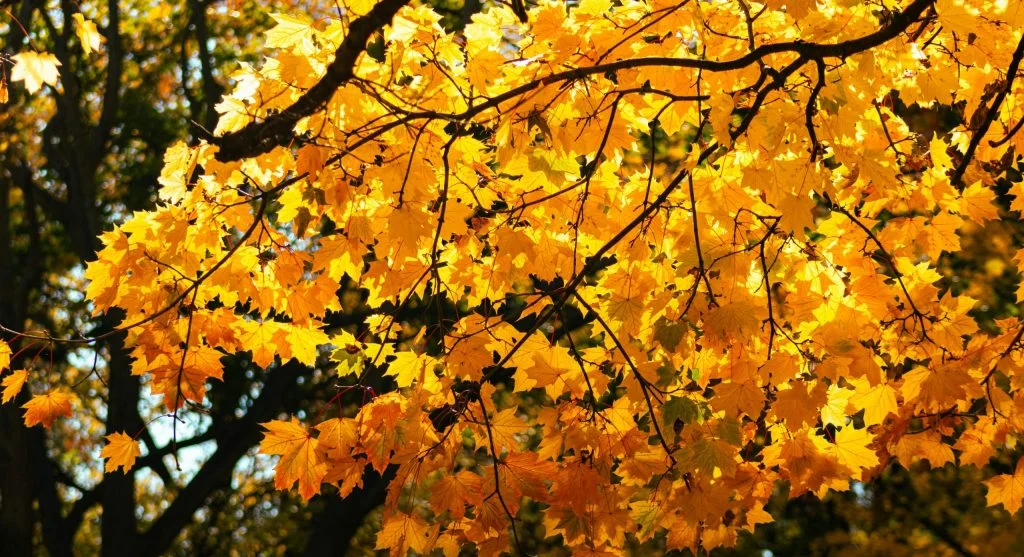
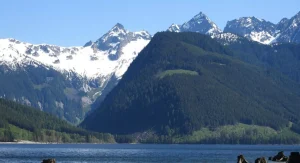
Because the land is changing, these periods can make scenery feel unusually alive. Spring transitions may show thaw, returning water movement, and early growth. Fall transitions may bring cooler light, stronger texture, and the first visible signs of slowing seasonal pace. That visual change gives shoulder seasons a strong atmosphere.
Nature writers often explain that transition can make a place feel richer because more than one seasonal mood is present at once. A landscape may still carry part of the old season while already showing the next one. Shoulder seasons in Canada often create their own beauty through that overlap.
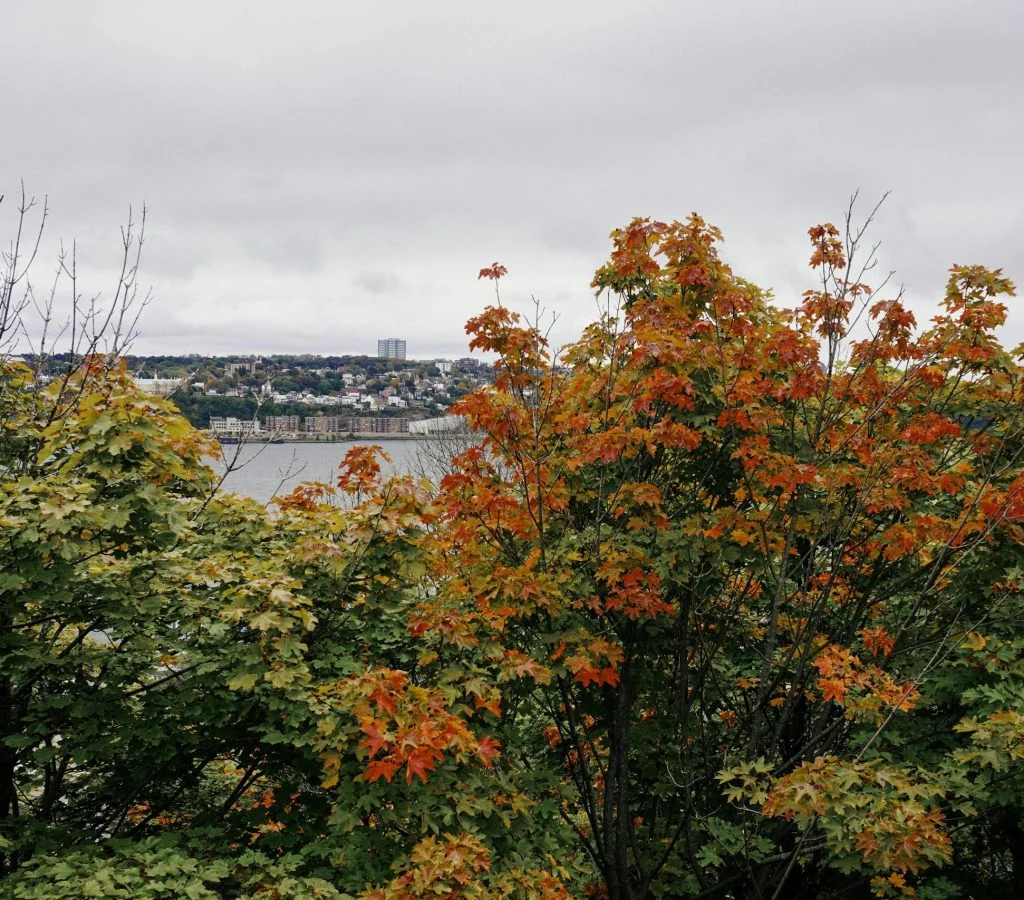
Credit: Abdel Achkouk / Pexels
Regional Differences Matter Even More in Transition Periods
Not every part of Canada moves through shoulder seasons at the same speed. One region may feel almost fully changed, while another still holds onto the previous season. Local climate, elevation, nearby water, and geography all influence how quickly transition becomes visible.
Regional climate experts often point out that shoulder seasons in Canada should always be understood locally. A general seasonal label may hide major differences from one place to another. This helps explain why the same week can feel very different depending on where the traveler or resident is located.
Why These Seasons Often Stay in Memory
Stable seasons can feel easy to understand, but shoulder seasons often stay in memory because they require more attention. People notice the day more carefully, make more adjustments, and respond more directly to what the weather and light are doing. That makes daily life feel more active, even when routines remain familiar.
That is why shoulder seasons in Canada are important beyond simple forecasting. They shape mood, pace, outdoor comfort, and public behavior in ways readers can recognize from their own experience. For many people, these in-between periods are when seasonal change feels most real.
Frequently Asked Questions
Q: What are shoulder seasons in Canada?
A: They are the transition periods between the stronger, more settled seasons, when weather and daily conditions can feel mixed and changeable.
Q: Why do shoulder seasons affect travel so much?
A: They often bring less predictable comfort, mixed weather, and more need for flexible timing and route planning.
Q: Are shoulder seasons good for outdoor activities?
A: Yes, but they usually work best with realistic goals, layered clothing, and simple plans that can adjust easily.
Q: Do shoulder seasons feel the same across Canada?
A: No. Local climate, geography, elevation, and nearby water can make seasonal transitions feel very different from one region to another.
Key Takeaway
Shoulder seasons in Canada matter because they bring visible change to travel planning, public rhythm, clothing choices, and outdoor comfort. These transition periods often feel especially strong because several parts of daily life begin shifting at once. They also vary sharply by region, which makes them an important part of understanding Canadian seasonal life. Shoulder seasons in Canada show that the country’s seasons are not only defined by arrival, but also by change in progress.







Post Comment